JoshShapiro:DoubleAgentClaim,HarrisControversy,2028Buzz
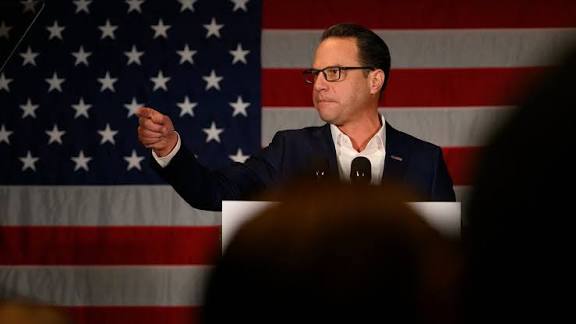
Based on reports from his upcoming memoir, Where We Keep the Light, and recent political developments through January 2026. Today we will discuss about JoshShapiro:DoubleAgentClaim,HarrisControversy,2028Buzz
JoshShapiro:DoubleAgentClaim,HarrisControversy,2028Buzz
Pennsylvania Governor Josh Shapiro has emerged as one of the most closely watched figures in American politics as 2026 unfolds. Once known mainly for his success in a key swing state, Shapiro is now at the center of a national debate involving an explosive “double agent” claim, a growing rift with former Vice President Kamala Harris, and intensifying speculation about the 2028 presidential race.
This controversy is not just personal. It highlights deeper divisions within the Democratic Party over foreign policy, identity politics, leadership style, and the future direction of the party itself.
Who Is Josh Shapiro?

Josh Shapiro is the Democratic Governor of Pennsylvania, a state that often decides national elections. Before becoming governor, he built his career as a lawyer and public official known for tackling corruption, consumer protection, and civil rights issues. His reputation as a pragmatic centrist with broad appeal has made him attractive to party leaders searching for a candidate who can win over independents and moderate voters.
Because of Pennsylvania’s importance and Shapiro’s consistent electoral success, political analysts have long viewed him as potential presidential material. By 2026, his name is regularly mentioned in discussions about the 2028 Democratic nomination.
The “Double Agent” Claim
The political storm erupted after Shapiro revealed details from his upcoming memoir, in which he described his experience during the vice-presidential vetting process for the 2024 election. According to Shapiro, while being considered as a possible running mate for Kamala Harris, he was asked an extraordinary question by a senior member of her vetting team: whether he had ever been an agent of the Israeli government or a “double agent” for Israel.
Shapiro, who is Jewish and has been publicly supportive of Israel, reportedly found the question shocking and offensive. He stated that the implication of dual loyalty echoed historical stereotypes and crossed a line from legitimate vetting into something deeply uncomfortable.
When he objected, he says he was told the question was simply part of the process and that “they had to ask.” For Shapiro, the moment revealed something troubling about the political culture surrounding the vetting and the assumptions being made.
Why Israel Became Central to the Vetting
The Democratic Party has been deeply divided over Middle East policy in recent years, particularly after the Israel-Hamas war and the surge of campus protests across the United States. Progressive activists have become more vocal in criticizing Israeli government actions, while moderates and centrists continue to stress Israel’s right to defend itself.
Shapiro has consistently taken a pro-Israel stance and has spoken out strongly against antisemitism. During the vice-presidential selection process, this position reportedly became a focal point. According to Shapiro, he was repeatedly questioned about his views on Israel, and he later reflected that he was the only Jewish candidate being scrutinized in this way.
The “double agent” remark, in his view, was not an isolated misstep but part of a broader pattern of suspicion rooted in identity politics and ideological division within the party.
Reaction Across the Political Spectrum
The public response to Shapiro’s claim was immediate and polarized.
Supporters argued that the question was inappropriate and potentially antisemitic, echoing long-standing tropes about Jewish dual loyalty. Many saw it as evidence that certain factions within the Democratic Party have become so focused on ideological purity tests that they risk alienating mainstream voters and minority communities alike.
Critics, however, contended that high-level vetting often includes questions about foreign ties and political positions, and that the intention may have been to assess potential vulnerabilities rather than to insult. Some pointed out that Shapiro has spent time in Israel and has strong connections to pro-Israel organizations, which could naturally invite scrutiny in a geopolitical context.
Nevertheless, even some who defended the need for thorough vetting acknowledged that the phrasing described by Shapiro was, at best, clumsy and, at worst, deeply offensive.
The Harris Memoir Controversy
The situation escalated further when Kamala Harris published her own memoir describing the 2024 campaign and her decision-making process. In her account, Harris portrayed Shapiro as overly focused on the power and perks of the vice-presidency and suggested that he might have struggled to remain in a secondary role.
Shapiro publicly rejected this characterization, accusing Harris of misrepresenting their conversations and calling parts of her account untrue. This public disagreement transformed a behind-the-scenes vetting dispute into a high-profile political feud.
The clash of narratives revealed contrasting leadership styles and political philosophies. For Shapiro, it reinforced the sense that he had been unfairly judged and politically sidelined. For Harris, it framed her choice of a different running mate as a matter of compatibility and trust.
The 2024 Aftermath
Harris ultimately selected Minnesota Governor Tim Walz as her running mate. At the time, many observers were surprised that she passed over Shapiro, given his popularity in Pennsylvania and his potential to deliver a crucial swing state.
The choice was widely interpreted as an effort to unify the party’s progressive base, particularly on issues related to social justice and foreign policy. However, the ticket’s defeat in the general election reopened debates about whether a more centrist figure like Shapiro might have broadened the campaign’s appeal.
In hindsight, the vetting controversy and Shapiro’s exclusion are increasingly viewed as pivotal moments that may have shaped the Democratic Party’s trajectory.
Growing 2028 Speculation
With the next presidential election cycle approaching, Josh Shapiro’s profile has never been higher. The controversy has, paradoxically, strengthened his standing among voters who see him as principled, straightforward, and willing to confront uncomfortable truths.
Several factors are fueling the 2028 buzz:
Electoral Strength: Shapiro has repeatedly won statewide races in a politically divided state, demonstrating his ability to build broad coalitions.
Centrist Appeal: At a time when many Americans are weary of ideological extremes, his pragmatic style could attract moderates and independents.
National Visibility: The memoir revelations and public disagreement with Harris have propelled him into the national spotlight.
Party Repositioning: After recent electoral setbacks, Democrats may look for a candidate who can reclaim the political center without alienating the base.
Challenges on the Road Ahead
Despite the momentum, Shapiro’s path to a presidential nomination would not be easy.
He would likely face competition from established national figures, including possible runs by Kamala Harris and other prominent Democrats. The party’s internal divisions over foreign policy, identity, and economic priorities could also complicate his message.
Moreover, the “double agent” controversy, while generating sympathy among some voters, could be weaponized by opponents seeking to portray him as divisive or overly sensitive to criticism.
What the Episode Reveals About American Politics
Beyond individual careers, the Shapiro-Harris episode reflects broader trends:
Identity and Loyalty
Questions about loyalty and background continue to resonate in American politics, often intersecting with race, religion, and ethnicity. Shapiro’s account has reignited discussions about how such issues should be handled in a democratic society that values both security and inclusion.
Intra-Party Ideological Tensions
The Democratic Party’s struggle to balance progressive activism with centrist electability is evident in the vetting dispute. Foreign policy, particularly regarding Israel and the Middle East, remains one of the most sensitive fault lines.
Memoirs as Political Strategy
Political memoirs are no longer just reflections; they are tools for shaping narratives, settling scores, and positioning oneself for future contests. The competing accounts by Shapiro and Harris illustrate how personal storytelling has become part of strategic political communication.
Conclusion: A Defining Moment for Josh Shapiro
The “double agent” claim, the clash with Kamala Harris, and the rising 2028 speculation together mark a turning point in Josh Shapiro’s political career. Once seen primarily as a successful state governor, he is now firmly embedded in the national conversation about leadership, identity, and the future of the Democratic Party.
Whether this moment propels him toward a presidential run or simply reshapes his public image, one thing is certain: Josh Shapiro is no longer just a regional figure. He has become a symbol of the debates, divisions, and decisions that will define American politics in the years leading up to 2028.
How useful was this post?
Click on a star to rate it!
Average rating 0 / 5. Vote count: 0
No votes so far! Be the first to rate this post.
About the Author

usa5911.com
Administrator
Hi, I’m Gurdeep Singh, a professional content writer from India with over 3 years of experience in the field. I specialize in covering U.S. politics, delivering timely and engaging content tailored specifically for an American audience. Along with my dedicated team, we track and report on all the latest political trends, news, and in-depth analysis shaping the United States today. Our goal is to provide clear, factual, and compelling content that keeps readers informed and engaged with the ever-changing political landscape.