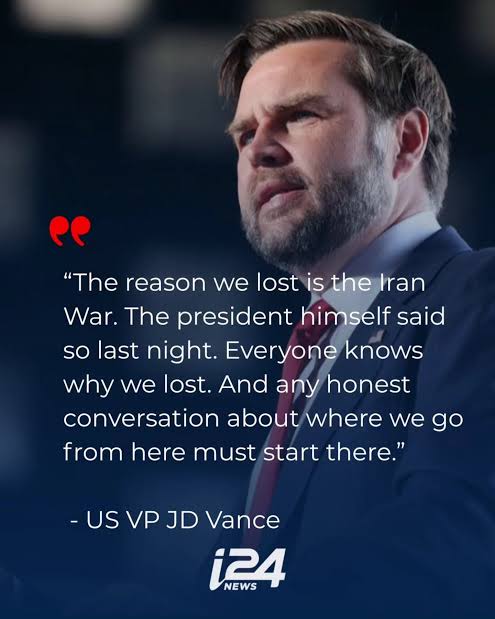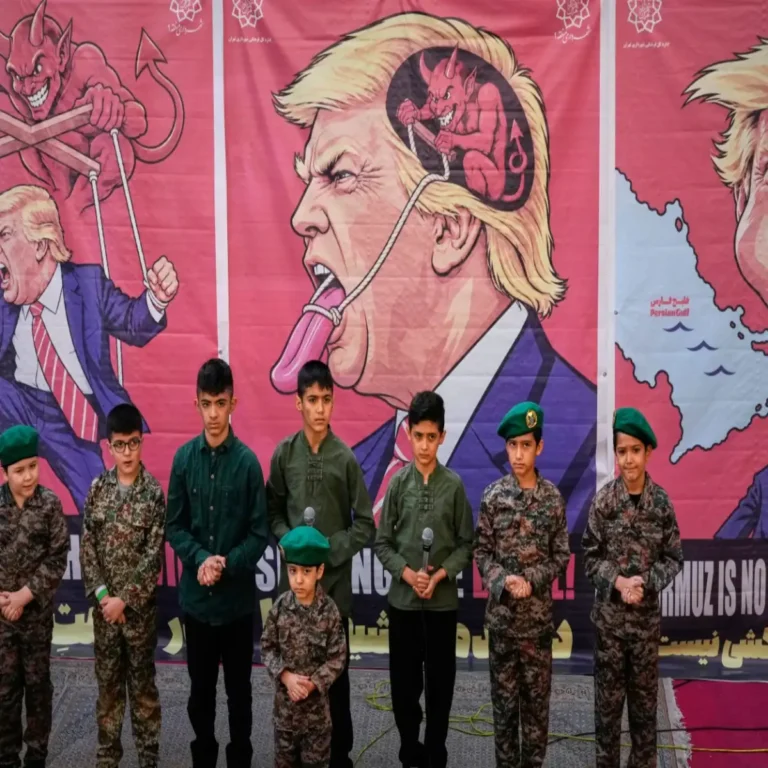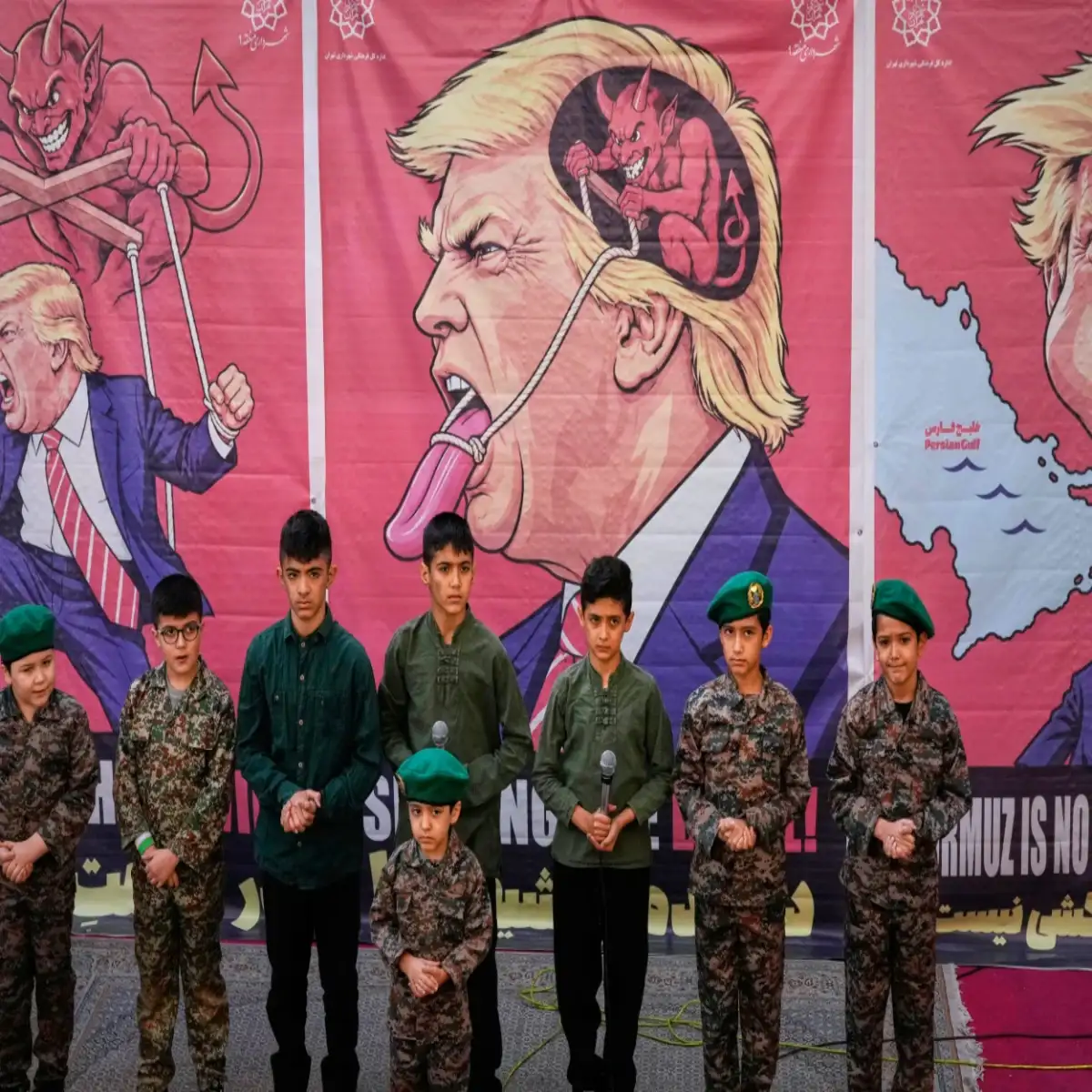
Following the high-stakes United States midterm elections, speculation mounted across global diplomatic corridors regarding potential shifts in American foreign policy. However, Iran’s Supreme Leader Ayatollah Mojtaba Khamenei firmly rejected any notion that domestic political rebalancing in Washington would alter the fundamental stance of the United States toward the Islamic Republic.
Characterizing expectations of a softer posture or strategic pivot as “gravely mistaken,” Tehran’s leadership reaffirmed its uncompromising diplomatic, economic, and regional stance. The pronouncement highlights an enduring geopolitical reality: institutional hostility between Washington and Tehran transcends electoral cycles, party control of Congress, or leadership changes in the White House.
┌────────────────────────────────────────────────────────────────────────┐
│                   IRANIAN STRATEGIC POSITION POST-MIDTERMS            │
├───────────────────────────────────┬────────────────────────────────────┤
│ Partisan Control Shift in US      │ Non-Impact on Iran's Core Policy   │
├───────────────────────────────────┼────────────────────────────────────┤
│ Expectations of Policy Softening  │ Declared "Gravely Mistaken"        │
├───────────────────────────────────┼────────────────────────────────────┤
│ Diplomatic & Defense Focus        │ Self-Reliance & Multipolar Pacts   │
└───────────────────────────────────┴────────────────────────────────────┘
Partisan Cycles vs. Structural Hostility
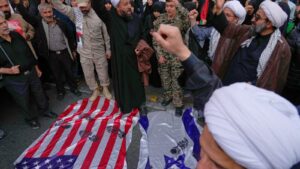
A central pillar of the Ayatollah’s address was that American foreign policy in the Middle East operates on structural consensus rather than party platforms. Regardless of which political party holds power in the US Senate or House of Representatives, core American strategic objectives—ranging from sanction enforcement to regional security arrangements—remain largely consistent.
Structural Drivers of US-Iran Tension
Sanctions Continuity: Comprehensive trade restrictions and economic sanctions maintain bipartisan support within the US legislature.
Regional Alliances: Washington’s defense partnerships across West Asia and the Persian Gulf remain structurally aligned against Iranian influence.
Nuclear Framework Scrutiny: Congressional oversight regarding Tehran’s nuclear program and enrichment capabilities remains rigid under both Democratic and Republican majorities.
Iran’s Multi-Vector Counter-Strategy
Rather than awaiting policy adjustments from Washington, Tehran has increasingly pivoted toward alternative international frameworks to build strategic immunity against Western pressures.
                        TEHRAN'S REGIONAL & GLOBAL PIVOT
                                        │
     ┌──────────────────────────────────┼──────────────────────────────────┐
     ▼                                  ▼                                  ▼
[ SCO & BRICS Integration ]  [ De-Dollarized Trade Corridors ]  [ Regional Defense Alignment ]
Institutional Shielding      National Currency Settlements      Strategic Bilateral Cooperation
Key Pillars of Iran’s Resilience Strategy
Institutional Alignment: Full integration into Eurasian forums such as the Shanghai Cooperation Organisation (SCO) and expanded involvement within BRICS.
Financial De-Dollarization: Conducting regional and international commerce via local currencies to bypass global clearing channels subject to US jurisdiction.
Cross-Border Logistics: Expansion of the International North-South Transport Corridor (INSTC) and maritime economic hubs along the Gulf of Oman and Caspian Sea.
Comparative Dynamics: US Political Shifts vs. Iranian Policy
Global and Regional Implications
By dismissing expectations of a US policy shift, Supreme Leader Mojtaba Khamenei delivered a clear signal to both domestic audiences and international partners:
To Regional Allies: Tehran will not alter its defensive posture or regional security alignments based on US electoral outcomes.
To Global Powers: Iran continues to prioritize deeper trade, energy, and defense ties with non-Western blocs,including China and Russia.
To Domestic Audiences: National economic planning will continue under the assumption of sustained Western sanctions rather than speculative diplomatic relief.
┌────────────────────────────────────────────────────────────────────────┐
│                   PERSPECTIVE BREAKDOWN: TEHRAN vs. WASHINGTON          │
├───────────────────────────────────┬────────────────────────────────────┤
│ Washington Viewpoint              │ Tehran Viewpoint                   │
├───────────────────────────────────┼────────────────────────────────────┤
│ • Elections reframe diplomacy     │ • Elections alter rhetoric, not    │
│ • Congressional shifts alter      │   underlying strategic goals    │
│   legislative leverage       │ • Self-reliance and strategic      │
│ • Pressure forces concessions     │   deterrence remain paramount   │
└───────────────────────────────────┴────────────────────────────────────┘
Strategic Outlook
The rejection of post-midterm policy shifts marks a continuation of Tehran’s long-term geopolitical strategy. As partisan shifts play out in Washington, Iran remains anchored in its strategic pivot toward multipolarity, economic self-reliance,and regional defense integration.
Navigating the future of West Asian stability will require international stakeholders to recognize that Iranian policy is designed to withstand partisan turnover in Washington, ensuring that diplomatic realities remain framed by enduring structural factors rather than temporary election cycles.
Frequently Asked Questions (FAQs)
Why did the Ayatollah call expectations of a US policy shift “gravely mistaken”?
Iran’s leadership views American policy toward Tehran as structurally fixed across political parties. Consequently, shifts in partisan control of the US Congress or White House are seen as changing rhetoric rather than altering long-term US strategic objectives.
How do US midterm elections impact American foreign policy toward Iran?
While midterms can alter legislative priorities, committee leadership, and oversight over executive actions in Washington,major foreign policy frameworks—especially economic sanctions and regional alliance commitments—generally maintain bipartisan continuity.
How is Iran responding to ongoing US economic sanctions?
Iran has prioritized economic self-reliance, trading in non-dollar currencies, and expanding strategic partnerships with non-Western economic hubs through institutions like BRICS and the Shanghai Cooperation Organisation (SCO).
About the Author