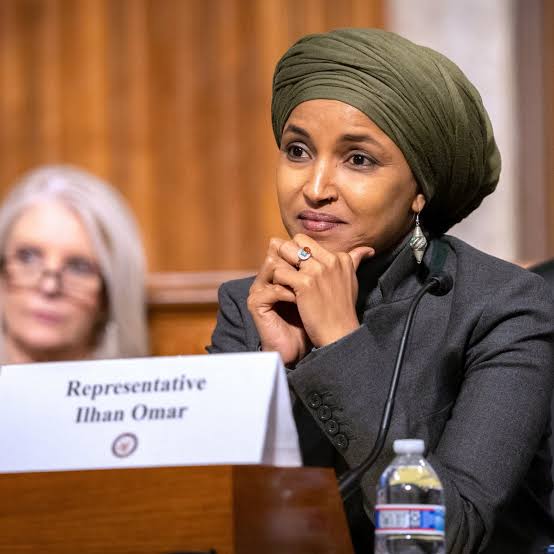
The Ilhan Omar raid has become a major political story after federal agents searched the Washington, D.C., home of Democratic Representative Ilhan Omar on October 12, 2026. The search, conducted by Homeland Security Investigations (HSI), has drawn national attention because it involves a sitting member of Congress, an ongoing federal criminal investigation and questions about immigration-related allegations.
According to reporting by CBS News and the Associated Press, the Department of Justice confirmed that federal investigators executed a judicially authorized search warrant. Officials described the operation as part of an ongoing federal criminal investigation but did not publicly provide a complete explanation of the evidence being examined.
The search has prompted questions about the scope of the investigation, the allegations surrounding Omar’s immigration history and the timing of the federal action ahead of the November midterm elections.
However, an important distinction remains: a search warrant is not proof of guilt. Although investigators may seek evidence when executing a warrant, the publicly available information does not establish that Omar committed a crime or that investigators uncovered conclusive evidence against her.
Understanding the facts behind the Ilhan Omar raid requires separating confirmed developments from allegations and political reactions.
What Is the DHS Investigation Into Ilhan Omar About?

The Department of Homeland Security investigation has reportedly focused on questions involving Omar’s immigration paperwork and family immigration history.
According to CBS News, sources familiar with the investigation said the inquiry concerns documents completed by Omar’s late father when she was a child. Other reporting has described questions about her family’s immigration history and the circumstances surrounding her naturalization as a U.S. citizen.
Omar was born in Somalia and arrived in the United States as a refugee with her family. She later became a naturalized American citizen and was elected to represent Minnesota’s Fifth Congressional District in the U.S. House of Representatives.
The investigation has attracted attention because immigration records and naturalization documents can become relevant to federal inquiries when authorities suspect that information submitted during an immigration process may have been inaccurate.
Nevertheless, the precise allegations and the evidence supporting them have not been fully disclosed by federal authorities.
The Justice Department’s public statement confirmed that a judicially authorized warrant was executed. It did not publicly detail the evidence collected, identify every potential offense under investigation or announce criminal charges against Omar.
Consequently, claims that the investigation has already established wrongdoing should be treated cautiously unless supported by official court records or additional verified reporting.
What Did the Federal Search Warrant Reveal?
The federal search warrant is central to the developing story. It authorized investigators from Homeland Security Investigations to search Omar’s Washington, D.C., residence as part of an ongoing criminal investigation.
A search warrant generally permits law enforcement officers to search specified locations for evidence described in the warrant. Depending on its terms, investigators may seek documents, electronic records or other materials potentially connected to an investigation.
The existence of a warrant indicates that the legal process for authorizing the search was followed. However, it does not mean that every allegation under investigation has been proven.
Did Investigators Uncover Substantial Evidence?
The phrase “substantial evidence” has appeared in the framing of the controversy, but the publicly available reporting does not establish that investigators uncovered conclusive evidence of criminal wrongdoing by Omar.
The distinction matters for both legal accuracy and public understanding.
A warrant can identify the suspected offenses investigators are examining and describe the materials they are authorized to search for. It does not automatically confirm that the suspected conduct occurred or that the search produced evidence sufficient to support an indictment.
As of October 13, 2026, the Justice Department has not publicly announced criminal charges against Omar in connection with the reported search. Nor has it released a comprehensive public inventory of the materials seized or explained whether the search produced evidence supporting prosecution.
Readers should therefore distinguish among three separate developments:
- Confirmed: Federal agents executed a judicially authorized search warrant at Omar’s Washington, D.C., home.
- Reported allegation: The investigation concerns immigration-related paperwork and questions about family immigration records.
- Not publicly established: That the search uncovered conclusive evidence proving Omar committed a crime.
Further disclosures, including court filings or official statements, may clarify the investigation’s direction.
Ilhan Omar Responds to the DHS Raid
Omar strongly criticized the federal search, describing it as an attempt to weaponize law enforcement against political opponents.
In a statement released on October 12, her office characterized the operation as an abuse of government power and said the congresswoman had done nothing wrong. The statement also connected the search to years of political criticism directed at Omar by President Donald Trump.
Omar has frequently clashed with Trump and other Republican officials over immigration policy, foreign affairs and domestic political issues. Her outspoken criticism of the administration has made her a prominent figure in the broader political debate.
Her response reflects her position that the search is politically motivated rather than a legitimate effort to investigate criminal conduct.
However, her criticism does not independently determine the legal merits of the investigation. Those questions will depend on the available evidence, the applicable law and any subsequent decisions by prosecutors or courts.
Similarly, the government’s decision to execute a warrant does not establish that Omar’s allegations of political targeting are false.
The central questions remain whether investigators can substantiate the suspicions behind the search and whether the investigation proceeds in accordance with established legal standards.
Why the Timing of the Ilhan Omar Raid Is Controversial
The timing of the federal search has intensified the political controversy.
The operation occurred approximately three weeks before the November 3, 2026, midterm elections. Omar is seeking reelection, making the investigation especially sensitive in an already polarized political environment.
Democratic leaders have questioned why federal investigators conducted such a high-profile operation so close to an election.
According to the Associated Press, Democratic congressional leaders condemned the search and raised concerns about the potential use of federal law enforcement against political opponents.
The timing has also renewed discussion of longstanding Justice Department practices intended to prevent investigative actions from improperly influencing elections.
What Is the Justice Department’s 60-Day Election Norm?
The Justice Department has historically followed guidance intended to prevent law enforcement decisions from appearing to influence electoral outcomes. One widely discussed principle is the practice of avoiding certain overt investigative actions close to an election when those actions could affect a candidate’s prospects.
However, this is generally discussed as a policy norm rather than an absolute legal prohibition on searches during an election period.
The circumstances of each investigation matter. Authorities may argue that investigative steps are necessary to preserve evidence or address legitimate law enforcement concerns.
Critics, meanwhile, argue that highly visible searches involving political candidates can influence public perceptions, even when no charges follow.
The timing of the Ilhan Omar raid therefore raises questions about institutional independence, transparency and the appearance of political interference.
Those concerns do not, by themselves, prove that the investigation is politically motivated. Establishing that would require more information about the decision-making process, the investigation’s history and the reasons for carrying out the search when it occurred.
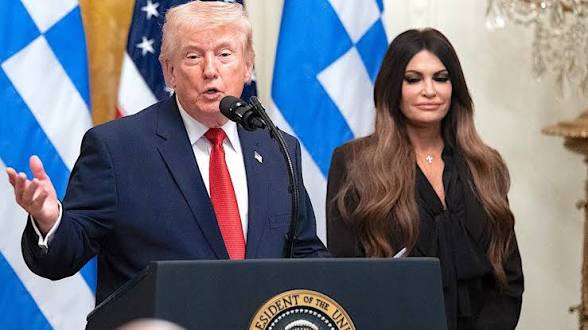
What Has Donald Trump Said About the Search?
President Donald Trump has repeatedly criticized Omar and has made public comments about her background and political positions.
Following the October 12 search, Trump told reporters that he had nothing to do with the operation and said the matter was for the Justice Department to handle. He also continued to express strong personal criticism of the congresswoman.
The president’s past rhetoric has contributed to concerns among Democrats that federal investigative powers could be used against political opponents.
At the same time, the Justice Department’s confirmation of the warrant does not establish that Trump personally ordered the search or directed investigators to target Omar.
The available public information does not conclusively establish the president’s role, if any, in the operational decisions behind the search.
Determining whether political considerations influenced the investigation would require credible evidence concerning communications, authorization procedures and the rationale for the timing of the operation.
For now, the distinction between public political rhetoric and documented investigative decision-making remains important.
Could Ilhan Omar Face Criminal Charges?
The possibility of criminal charges depends on the evidence investigators collect and whether prosecutors determine that the legal requirements for an offense have been met.
Federal immigration-related investigations can involve allegations such as false statements, fraud or conspiracy. However, the existence of an investigation does not establish that a particular individual committed any of these offenses.
In Omar’s case, public reporting has described an inquiry involving immigration paperwork and related questions. The Justice Department has not publicly provided a complete account of the suspected conduct or announced charges connected to the October 12 search.
Before bringing charges, prosecutors generally assess whether the evidence supports the alleged offenses and whether the available proof is sufficient to proceed.
If charges were filed, Omar would retain the right to contest the allegations in court. The government would have to prove the charged offenses under the applicable legal standard.
If investigators do not develop sufficient evidence, the inquiry could proceed without charges or eventually close. Other outcomes would depend on what the investigation establishes.
At this stage, predictions about prosecution, imprisonment or other penalties would be premature.
What Happens Next in the DHS Investigation?
The next steps will depend on the investigative findings and decisions made by federal authorities.
Investigators may review materials collected during the search, examine records, interview relevant individuals or pursue additional investigative steps permitted by law.
Prosecutors could then evaluate whether the evidence supports further legal action. However, investigators are not required to announce every step publicly, particularly while a criminal inquiry remains active.
Several developments could provide greater clarity.
1. Additional Information About the Warrant
Further court records or credible reporting could clarify the specific materials investigators sought and the legal basis for the search.
The warrant’s scope would help explain which records or evidence the government considered relevant.
2. An Official Statement From Federal Authorities
The Justice Department could release additional information if circumstances permit. Such a statement might clarify the investigation’s general focus, although authorities may withhold details to protect the inquiry.
3. Possible Prosecutorial Decisions
Prosecutors may decide whether the evidence supports criminal charges. An announcement of charges would identify the allegations formally brought against a defendant, but those allegations would still require proof in court.
Alternatively, the investigation could continue without public charges while authorities examine the available information.
4. Responses From Omar and Congressional Leaders
Omar and other lawmakers may continue to challenge the search and request information about its authorization and timing.
Congressional oversight, public statements and potential legal proceedings could influence the broader debate about the appropriate limits of federal investigative authority.
Until more information becomes available, the investigation’s outcome remains uncertain.
Why the Ilhan Omar Raid Matters for American Politics
The Ilhan Omar raid has implications beyond the immediate investigation because it raises questions about the relationship between law enforcement, political accountability and democratic institutions.
First, the case highlights the importance of applying federal law consistently. Public officials should not receive immunity from legitimate investigations, but they should also be protected against investigations improperly motivated by political hostility.
Second, the search demonstrates how an active criminal inquiry can become a major political issue when it involves a prominent elected official during an election campaign.
Third, the controversy underscores the importance of responsible reporting. Headlines suggesting that investigators have uncovered decisive proof can shape public opinion before the government releases enough information to support that conclusion.
Finally, the case raises questions about transparency. While investigators may need to protect confidential evidence, the public has a legitimate interest in understanding whether law enforcement is operating independently and within the law.
The investigation’s eventual outcome may influence public confidence in federal institutions. However, that outcome should be evaluated through verifiable evidence and legal findings rather than partisan assumptions.
Conclusion: What We Know About the Ilhan Omar Raid
The October 12, 2026, search of Representative Ilhan Omar’s Washington, D.C., home marks a significant development in an ongoing federal criminal investigation.
The Justice Department confirmed that Homeland Security Investigations executed a judicially authorized search warrant. Reporting indicates that the inquiry concerns immigration-related paperwork and questions about family immigration records.
Omar has denied wrongdoing and condemned the operation as politically motivated. Democratic leaders have also questioned the timing, while President Trump has denied involvement in the search.
Despite the dramatic headlines, the available public information does not establish that investigators uncovered conclusive evidence of criminal wrongdoing. No publicly announced charges arising from the search had been reported as of October 13, 2026.
The most important development to watch is whether federal authorities disclose additional evidence, file charges or provide further clarification about the investigation.
Until then, the Ilhan Omar raid remains an ongoing legal and political story, and any conclusions about guilt or prosecutorial outcomes would be premature.
Frequently Asked Questions (FAQs)
1. Why was Ilhan Omar’s home searched?
Federal agents from Homeland Security Investigations searched Omar’s Washington, D.C., home on October 12, 2026, under a judicially authorized warrant. Public reporting indicates that the investigation concerns immigration-related paperwork and family immigration records.
2. Did the DHS investigation uncover substantial evidence against Ilhan Omar?
Publicly available information does not establish that investigators uncovered conclusive evidence proving criminal wrongdoing. The Justice Department has confirmed the search but has not publicly released a comprehensive account of the evidence collected.
3. Has Ilhan Omar been charged with a crime?
As of October 13, 2026, no criminal charges connected to the reported search had been publicly announced.
4. What did Ilhan Omar say about the raid?
Omar’s office condemned the search as an abuse of federal law enforcement and described it as an attempt to target political opponents. She has maintained that she did nothing wrong.
5. What is Homeland Security Investigations?
Homeland Security Investigations is the investigative branch of U.S. Immigration and Customs Enforcement. It investigates a range of federal crimes, including certain immigration-related offenses, financial crimes and document fraud.
6. Why is the timing of the search controversial?
The search took place approximately three weeks before the November 2026 midterm elections. Democratic leaders have questioned whether the timing risks creating the appearance of political interference, while the investigation’s legal merits remain unresolved.
7. Did Donald Trump order the Ilhan Omar raid?
Trump said he had nothing to do with the search. Publicly available information has not conclusively established whether he played any role in the operational decisions behind it.
8. Could Ilhan Omar lose her citizenship?
Citizenship-related legal consequences would depend on the specific facts, applicable law and any formal proceedings. The search alone does not establish grounds for revoking citizenship, and no such outcome should be assumed from the available reporting.
9. What happens next in the federal investigation?
Investigators may continue reviewing evidence and interviewing relevant individuals. Prosecutors could consider charges if the evidence supports them, but the inquiry could also continue without charges. Further official statements or court filings may clarify the situation.
10. Where can readers find reliable updates about the Ilhan Omar raid?
Readers can follow reporting from the Associated Press and CBS News, alongside official statements from the Department of Justice and Omar’s congressional office. Comparing multiple sources helps distinguish confirmed facts from allegations and political commentary.
About the Author