The White House and Capitol Hill remain at the center of an intense debate over presidential authority, executive action, and the future of American public policy. As President Donald Trump continues to reshape the federal government, questions about the limits of executive power have become increasingly important for lawmakers, legal experts, and political commentators.
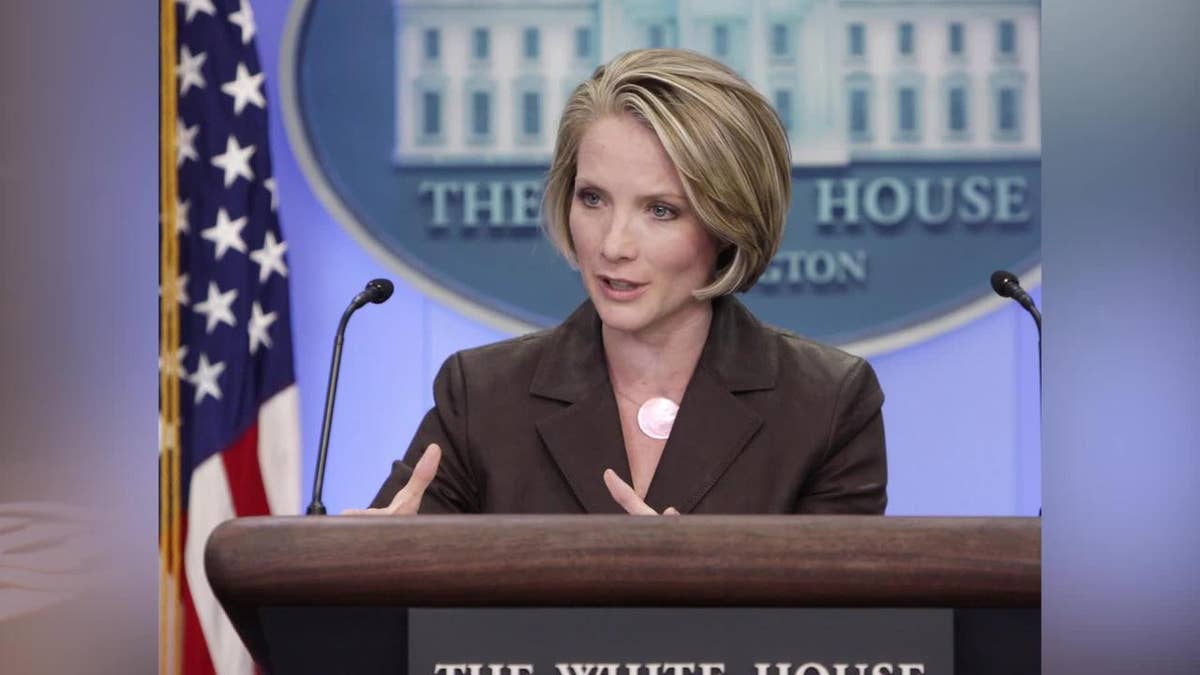
Former White House press secretary Dana Perino brings a valuable perspective to these discussions. Drawing on her experience in the George W. Bush administration, Perino regularly analyzes presidential communication, political strategy, and the challenges facing the executive branch.
Recent developments have placed these issues under renewed scrutiny. From changes in federal oversight to disputes over presidential authority, the administration’s decisions have generated questions about how far executive power should extend and what role Congress should play in setting national policy.
With the November 2026 midterm elections approaching, the debate also carries significant political consequences. Lawmakers are considering how to respond to the administration’s actions, while both parties are preparing to make executive power and government accountability central campaign issues.
The key question is whether aggressive executive action can deliver policy results while maintaining the constitutional balance between the White House, Congress, and the courts.
Dana Perino’s Perspective on White House Politics

Dana Perino is a familiar voice in American political commentary. She served as White House press secretary under President George W. Bush and later became a prominent television host and political analyst.
Her experience in the White House gives her a practical understanding of the pressures facing presidential administrations. Press secretaries must explain policy decisions, respond to difficult questions, manage public expectations, and communicate the president’s position during political controversies.
Perino’s commentary often examines how administration decisions affect public opinion and the relationship between political leaders and the media.
In an October 11, 2026, Fox News video, Perino discussed several political developments, including protests involving Immigration and Customs Enforcement in New York City, the appointment of Katie Zacharia to a White House press role, and reports concerning security arrangements for President Trump. The segment illustrates her continued focus on the intersection of executive decision-making, public communication, and political strategy.
However, the available reporting does not establish that Perino made a specific statement about one newly identified executive action matching the exact wording of this article’s headline. Her documented commentary and the broader policy debate should therefore be distinguished from any unverified claim about her reaction.
That distinction matters because political headlines can sometimes combine a commentator’s appearance with a separate government decision. Responsible reporting should identify the specific action, quote the commentator accurately, and provide enough context for readers to understand the connection.
What Is Driving the White House Power Debate?
The current debate concerns the scope of presidential authority and the administration’s efforts to influence federal agencies, implement policy priorities, and exercise executive control.
Presidents have considerable authority to direct the executive branch. They can issue executive orders, appoint officials subject to applicable confirmation requirements, establish administrative priorities, and instruct departments to implement laws within their legal responsibilities.
Nevertheless, presidential authority has limits. Congress controls legislation and federal appropriations, while the courts determine legal disputes that fall within their jurisdiction.
The Constitution also establishes a system of checks and balances intended to prevent any single branch from exercising unlimited power.
The controversy emerges when presidents use existing authority in ways that critics consider unusually broad or politically consequential.
Supporters argue that decisive executive action can make government more efficient, enforce existing laws, and deliver policies promised to voters. Critics counter that excessive presidential control can weaken independent oversight, reduce congressional influence, and create uncertainty about established legal protections.
These competing arguments have become especially important as the administration pursues changes involving federal agencies, immigration, elections, economic policy, and government accountability.
The central issue is not simply whether a president can act quickly. It is whether each action rests on sufficient legal authority and remains subject to appropriate oversight.
One significant development came on October 7, 2026, when the White House published a presidential memorandum establishing a committee of inquiry into allegations that Federal Reserve Governor Lisa D. Cook made false statements connected to one or more mortgage documents.
About the Author