Local News Update: Palisades Residents Slam City Response to Rampant Theft
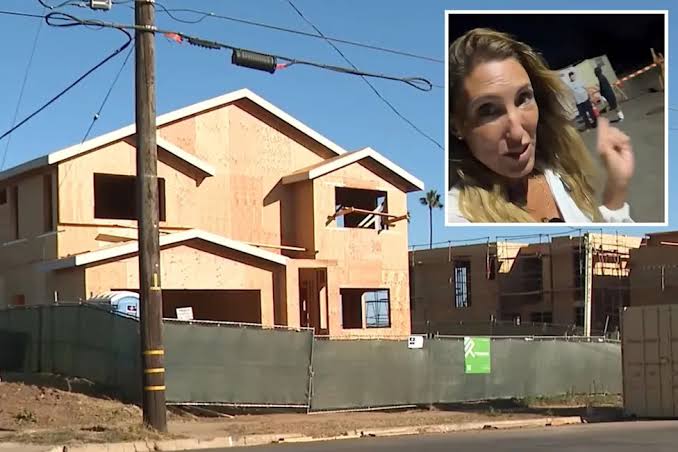
Pacific Palisades is continuing its long and difficult recovery from the January 2025 wildfire, but rebuilding is not the only issue confronting residents. Concerns about property security, unauthorized access, scams and theft have added another layer of anxiety for people trying to restore homes and businesses.
Residents’ concerns come as large parts of the community remain under construction. The recovery process has brought contractors, workers, property owners, visitors and service providers into an area where many properties remain vacant or only partially rebuilt.
The result is a complicated public-safety environment.
While available reporting does not establish that theft is occurring across the entire community at a single “rampant” rate, individual cases and broader security concerns have contributed to frustration among some residents. The situation has also revived questions about how effectively city agencies, police and other authorities are protecting properties during the rebuilding period.
Los Angeles City Council District 11 continues to publish regular Pacific Palisades recovery updates. The district’s latest recovery page lists updates through September 19, 2026, alongside information about infrastructure, re-entry, property recovery and other rebuilding issues.
Why Security Has Become a Major Concern
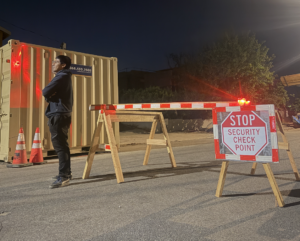
The scale of the Palisades disaster helps explain why security remains such a sensitive issue.
The January 2025 wildfire destroyed thousands of structures across Pacific Palisades. Los Angeles Times reporting has described more than 5,600 homes and businesses destroyed in the community, while another report citing California Department of Forestry and Fire Protection figures put the total number of destroyed structures at 6,822, including more than 5,500 residences and over 100 commercial properties.
Many properties therefore entered a prolonged period in which owners were not living on-site.
Some lots remained empty. Others contained partially completed structures. Still others were undergoing demolition, cleanup or rebuilding.
That environment can create security challenges.
Residents may have valuable construction materials, equipment, appliances, tools and other property at locations that are not continuously occupied. At the same time, residents returning to the area may be particularly sensitive to any suspicious activity after losing so much in the fire.
Recovery Has Changed the Local Security Landscape
The Palisades is no longer simply a disaster zone.
Businesses are reopening, construction crews are returning and residents are gradually coming back.
Palisades Village officially reopened in August 2026 after more than $100 million in restoration and environmental remediation work. The shopping center’s reopening was described by the Los Angeles Times as a major milestone for a community still recovering from the fire.
The reopening is an important sign of economic recovery.
However, a busier community also means more movement of people and vehicles. Construction sites, residential properties and commercial areas all require different approaches to security.
That has made public safety a continuing part of the rebuilding conversation.
Residents Want Greater Accountability
For residents who have already endured displacement and property loss, another security incident can feel especially serious.
The frustration is not necessarily limited to the value of stolen property.
A theft can reinforce concerns that damaged or vacant properties remain vulnerable. It can also create additional financial and emotional pressure for homeowners who are already dealing with insurance claims, rebuilding costs and temporary housing.
The city has provided a range of recovery resources through Council District 11, including information covering infrastructure restoration, re-entry, property recovery and other aspects of rebuilding.
Yet residents may judge the recovery process through their own experiences.
If someone believes a suspicious incident was not handled quickly, that individual experience can contribute to a broader perception that authorities are not doing enough.
That distinction is important. A resident’s complaint about a response does not by itself establish that city officials failed to perform their duties. It does, however, show why communication between residents and authorities matters during a prolonged recovery.
LAPD and Property Protection
Los Angeles police remain an important part of the security system in Pacific Palisades.
The city has also encouraged property owners to use legal mechanisms designed to address unauthorized entry.
In an April 2026 Pacific Palisades update, Council District 11 reminded property owners to renew their “No Trespass” forms. According to the district, the form allows property owners to authorize the Los Angeles Police Department to enforce applicable trespassing laws without requiring the owner to be physically present. The district also said the authorization can support enforcement and a six-month no-return order for violations.
That measure is particularly relevant to properties that remain unoccupied during reconstruction.
It also demonstrates that the city’s approach is not limited to conventional patrols. Property owners have specific tools available to help law enforcement respond to unauthorized entry.
Theft Concerns Extend Beyond Physical Property
Another issue affecting Palisades residents is fraud.
In February 2026, the Los Angeles Times reported on a Pacific Palisades wildfire survivor who lost $38,000 after scammers gained access to her computer and targeted her financial accounts. The money had been intended for home repairs.
The case illustrates an important point about post-disaster crime.
Security threats do not always involve someone physically entering a house and taking property. Fraudsters can also target survivors who are dealing with insurance payments, rebuilding expenses and other financial transactions.
Wildfire victims may be approached by people claiming to represent banks, contractors, government agencies, insurance companies or technology providers.
For residents, protecting property therefore involves both physical and digital security.
Unlicensed Contractors Add Another Risk
The rebuilding boom has also created opportunities for fraudulent or unlawful construction activity.
In July 2026, prosecutors said six men had been arrested in connection with allegations that they advertised construction services in the Palisades fire zone without the required contractor licenses. Authorities said the group collectively bid up to $1.27 million on construction projects.
The allegations are separate from ordinary theft cases, but they demonstrate another vulnerability created by the rebuilding process.
Residents are spending substantial amounts of money to reconstruct homes.
That makes contractor verification essential.
Authorities have warned that hiring an unlicensed contractor can expose property owners to financial losses, unsafe work and other problems.
For residents already worried about theft, fraudulent construction activity can make the broader security environment feel even more uncertain.
Why the City’s Response Is Under Scrutiny
Residents’ criticism of government response often grows when expectations and experiences do not match.
A homeowner may expect rapid police intervention after reporting suspicious activity. Another resident may want more patrols around reconstruction sites. Others may want better communication about who is allowed to enter restricted areas.
These demands can overlap but are not identical.
The city, meanwhile, has to manage multiple recovery priorities, including infrastructure, transportation, utilities, construction, environmental remediation and public safety.
Council District 11’s recovery page shows the breadth of the ongoing effort, listing resources connected to infrastructure restoration, logistics, traffic, parking, communications, water quality, damage inspections and repopulation.
That does not eliminate residents’ concerns.
Instead, it highlights the challenge of rebuilding a neighborhood while simultaneously restoring normal municipal services.
A Community Still Living With the Fire’s Aftermath
The security debate cannot be separated from the psychological and financial effects of the Palisades Fire.
Nearly two years after the disaster, many survivors remain displaced or are still rebuilding. Recent reporting has described continuing problems involving insurance, rebuilding costs and access to financial assistance.
For these residents, a damaged or stolen item may carry a significance beyond its monetary value.
It can represent another disruption in an already lengthy recovery.
The same is true for businesses.
Local merchants are trying to reopen while dealing with construction, supply chains, staffing and customer traffic. Palisades Village’s August reopening demonstrated that commercial recovery is moving forward, but other parts of the community remain works in progress.
What Residents Can Do to Protect Properties
Residents rebuilding in the Palisades can take several practical steps to reduce security risks.
1. Use Authorized Access Lists
Homeowners can maintain clear records of contractors, workers and delivery personnel expected at their properties.
2. Install Cameras
Security cameras can provide evidence when suspicious activity occurs and may help residents monitor properties remotely.
3. Check Contractor Credentials
Homeowners should verify contractor licensing before signing agreements or making substantial payments.
4. Protect Financial Information
Residents should be cautious with unexpected texts, emails and phone calls involving insurance payments, bank accounts or rebuilding funds.
5. Report Suspicious Activity
Residents should contact the appropriate law-enforcement agency when they observe suspected criminal activity rather than attempting to confront suspects themselves.
6. Use City Resources
Council District 11 continues to provide Palisades recovery information, while city services such as MyLA311 remain available for appropriate municipal service requests.
The Importance of Better Communication
One of the biggest lessons from the recovery period is the importance of communication.
Residents need to know how to report incidents, which agency handles a particular complaint and what happens after a report is submitted.
Authorities also benefit when residents provide detailed information about suspicious activity.
Clear communication can help prevent individual incidents from becoming sources of widespread uncertainty.
The goal is not simply to increase enforcement. It is also to ensure residents understand what city agencies are doing and what steps property owners can take themselves.
Palisades Recovery Is Moving Forward
Despite continuing concerns, the Palisades recovery is clearly progressing.
Palisades Village has reopened. Businesses are returning. Homes are being reconstructed. Community organizations continue to operate, and city officials continue to publish recovery updates.
At the same time, the rebuilding process remains incomplete.
That means public safety will continue to be an important part of the conversation.
For residents, rebuilding a house is only one component of returning home. They also need confidence that their neighborhood is secure, that suspicious activity will be addressed and that government agencies will communicate effectively.
What Happens Next?
The coming months will provide an important test for Pacific Palisades.
As more residents return and construction activity continues, the number of occupied properties should increase. More businesses are also expected to reopen.
That could change the security environment.
A neighborhood with more permanent residents and active businesses naturally has more people watching streets and properties. However, construction sites and vacant lots may continue to require special attention until rebuilding is complete.
City agencies, police, property owners and community groups will therefore have to coordinate throughout the recovery.
For residents who feel their concerns have not received enough attention, documenting incidents and using established reporting channels can provide authorities with information needed to identify patterns.
Conclusion: Security Remains Part of the Palisades Recovery
The Pacific Palisades recovery story is no longer only about rebuilding structures destroyed by wildfire.
It is also about restoring a functioning community.
Concerns about theft, unauthorized access, scams and contractor-related fraud have become part of that larger conversation. Verified cases show that wildfire survivors can face security threats ranging from financial scams to alleged unlawful construction activity.
At the same time, available reporting does not establish a single community-wide theft rate that would justify describing all of Pacific Palisades as experiencing “rampant theft.”
The concerns raised by residents should therefore be understood within the broader context of an unusually long and complicated recovery.
With rebuilding continuing, public safety, transparent communication and property protection are likely to remain important priorities.
The reopening of major commercial areas shows that Pacific Palisades is moving toward a new phase of recovery. The challenge now is ensuring that residents returning to the community feel that rebuilding includes not only homes and businesses, but also security and confidence in the systems designed to protect them.
Frequently Asked Questions
What are Palisades residents concerned about?
Some residents have raised concerns about property security, unauthorized access, scams and other risks during the prolonged rebuilding process following the 2025 wildfire.
Was Pacific Palisades affected by the 2025 wildfire?
Yes. The January 2025 Palisades Fire caused extensive destruction across the community, destroying thousands of structures.
Has Palisades Village reopened?
Yes. Palisades Village reopened in August 2026 following extensive restoration and environmental remediation work.
What can homeowners do to prevent unauthorized access?
Property owners can use security cameras, maintain contractor and visitor records, secure construction materials and use available legal trespass-enforcement mechanisms.
Does Los Angeles provide recovery information for Palisades residents?
Yes. Los Angeles City Council District 11 maintains a dedicated Palisades recovery page containing updates and resources covering infrastructure, re-entry, inspections and other recovery matters.
Are financial scams also affecting wildfire survivors?
Yes. The Los Angeles Times reported a case involving a Palisades wildfire survivor who lost $38,000 after scammers gained access to her computer and targeted her financial accounts.
Why are contractor checks important during rebuilding?
The rebuilding period has attracted construction activity, including cases in which authorities allege individuals offered services without required licenses. Homeowners should verify contractor credentials before hiring or paying contractors.
Is theft the only public-safety concern in Pacific Palisades?
No. The wider recovery involves concerns involving trespassing, fraud, contractor misconduct, property protection, traffic and other public-safety issues.
Where can residents find Palisades recovery updates?
Residents can consult the official Council District 11 Palisades recovery updates for current information about rebuilding and city services.
Is the Palisades recovery complete?
No. Although major milestones such as the reopening of Palisades Village have occurred, rebuilding remains ongoing across the community.
How useful was this post?
Click on a star to rate it!
Average rating 0 / 5. Vote count: 0
No votes so far! Be the first to rate this post.
About the Author

usa5911.com
Administrator
Hi, I’m Gurdeep Singh, a professional content writer from India with over 3 years of experience in the field. I specialize in covering U.S. politics, delivering timely and engaging content tailored specifically for an American audience. Along with my dedicated team, we track and report on all the latest political trends, news, and in-depth analysis shaping the United States today. Our goal is to provide clear, factual, and compelling content that keeps readers informed and engaged with the ever-changing political landscape.