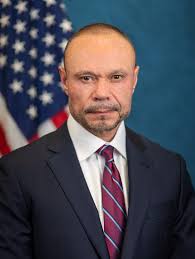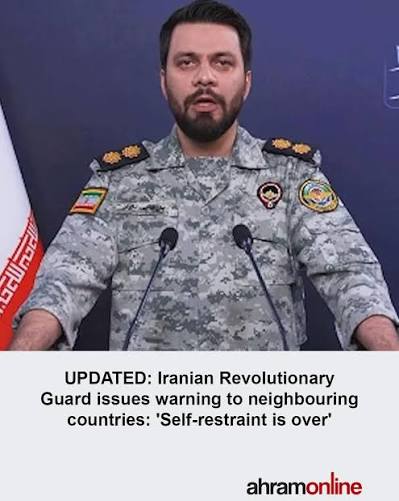
The latest Iran war warning has renewed attention on the possibility of further military action in the Middle East, with former U.S. Secretary of State and CIA Director Mike Pompeo arguing that Washington may face difficult choices if the confrontation with Tehran continues.
Pompeo’s recent comments come at a particularly sensitive moment. The United States and Iran remain locked in a tense confrontation, while negotiations involving Oman are attempting to address the crisis surrounding the strategically important Strait of Hormuz. Iran has demanded major concessions before reopening the waterway, including an end to U.S. military operations, sanctions relief, compensation and changes to the military presence in the region.
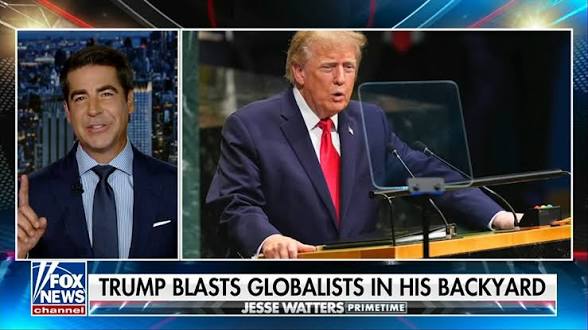
At the same time, President Donald Trump has recently indicated that the United States is taking a more restrained approach for now. In an interview reported on August 9, Trump said Washington was “low keying it” with Iran, suggesting that economic and diplomatic pressure could take priority over immediate renewed military operations.
That contrast has become central to the debate. While some U.S. officials and former national security leaders continue to warn that Tehran could force Washington toward stronger action, diplomacy remains active.
Pompeo’s Warning About Iran
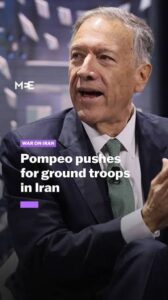
Mike Pompeo has long advocated a hard-line approach toward Iran. During his time in the Trump administration, he repeatedly argued that Tehran’s nuclear ambitions, missile capabilities and support for regional armed groups represented serious security challenges.
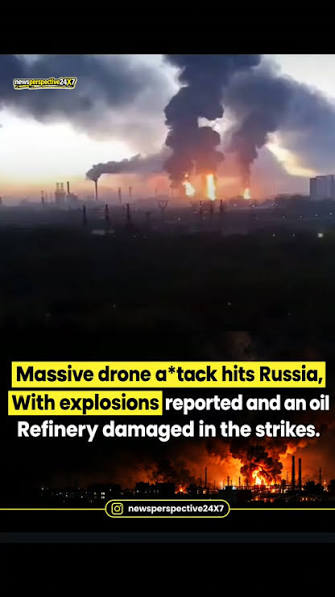
His latest warnings are being watched closely because the current crisis has already moved beyond ordinary diplomatic tension. The United States and Iran have been involved in a broader military confrontation, while attacks and threats involving Gulf infrastructure and shipping have increased the stakes.
A recent report from The National said Pompeo argued that Gulf states would have to join the United States to “finish the job” on Iran. His comments underline the possibility that a prolonged confrontation could require greater regional participation.
However, a warning about possible military action is not the same as a prediction that a new attack is certain.
The situation remains fluid, with Washington simultaneously applying pressure and exploring diplomatic options.
Why the Iran War Warning Matters
The biggest concern is that a confrontation involving Iran could quickly spread beyond the immediate U.S.-Iran relationship.
Iran has significant influence across the Middle East, and the country’s military capabilities extend well beyond its borders. The Gulf region contains major energy infrastructure, military installations and shipping routes that are essential to the global economy.
The Strait of Hormuz is particularly important.
A significant share of global oil shipments normally passes through the narrow waterway. Any prolonged disruption can therefore affect energy prices, shipping costs, insurance rates and international supply chains.
Current reporting indicates that shipping through the strait remains severely disrupted. Iran has demanded sweeping conditions for reopening the passage, while Washington has rejected key elements of Tehran’s demands.
That makes the Hormuz dispute one of the most important pressure points in the wider crisis.
Strait of Hormuz Raises the Stakes
The Strait of Hormuz has become a major focus of negotiations because it connects the Persian Gulf with international waters.
Iran’s latest demands reportedly include the permanent end of U.S. military operations, lifting sanctions, removal of a naval blockade, withdrawal of American forces and compensation for wartime damage.
These conditions have complicated efforts to reach an agreement.
Iranian officials have also insisted that the country should have a role in determining how shipping moves through the waterway. The United States, meanwhile, has resisted any arrangement that would give Tehran control over international navigation.
The result is a dangerous diplomatic stalemate.
If negotiations fail, pressure could increase on both governments. If military incidents continue, leaders could face growing domestic demands to respond.
That is why analysts are paying close attention to every statement from Washington and Tehran.
Trump Signals a More Restrained Approach
Despite the growing pressure, recent developments suggest that the United States is not necessarily preparing for an immediate escalation.
According to Axios, Trump recently said the United States was “low keying it” with Iran. The report described the administration as weighing economic, diplomatic and military tools while negotiations continue.
This is important because military action carries enormous risks.
A new round of strikes could trigger Iranian retaliation against American forces or regional partners. It could also threaten oil infrastructure, commercial shipping and military bases throughout the Gulf.
For Washington, the challenge is therefore to maintain pressure without creating a chain reaction that becomes difficult to control.
Iran’s Response Adds to Regional Tensions
Iran has made clear that it does not intend to accept every U.S. demand.
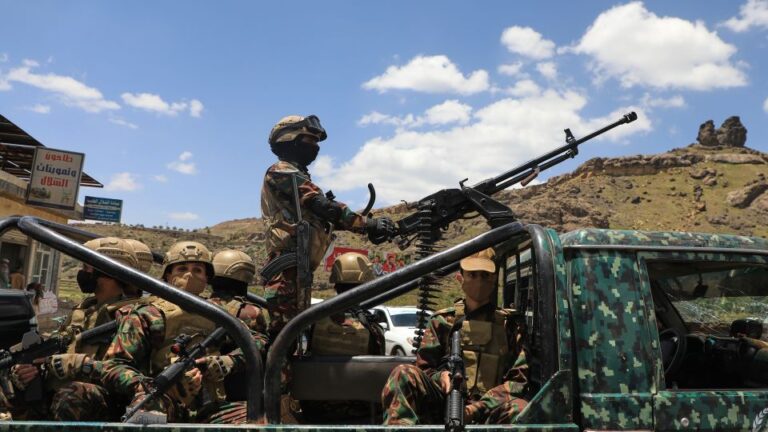
Recent Iranian warnings to Gulf states have demonstrated the potential for the confrontation to expand. Tehran reportedly warned regional governments that continued American military operations could result in attacks against critical infrastructure, including energy facilities, power systems, water infrastructure and transportation networks.
That message has placed Gulf countries in a difficult position.
Many of them want to avoid becoming direct participants in the conflict. At the same time, they have economic and security interests that require protection.
Saudi Arabia and other regional governments have therefore pushed for diplomacy while emphasizing that they will defend themselves if attacked.
This balancing act could become increasingly difficult if U.S.-Iran tensions rise again.
Could Military Action Happen Again?
The possibility cannot be dismissed, but it should not be treated as inevitable.
The United States has already demonstrated its willingness to use military force in response to perceived threats from Iran. At the same time, the current administration is also exploring negotiations.
That means several scenarios remain possible.
The first is a diplomatic agreement that stabilizes shipping through the Strait of Hormuz and creates a pathway toward broader negotiations.
The second is a prolonged standoff in which military pressure and economic sanctions continue while talks repeatedly stall.
The third is renewed military escalation following an attack on American personnel, regional partners or critical infrastructure.
The fourth is a wider regional conflict involving additional countries and armed groups.
Each scenario carries different consequences.
For that reason, statements from figures such as Pompeo are being interpreted as warnings about the risks rather than definitive announcements of future U.S. policy.
Nuclear Concerns Remain Central
Iran’s nuclear program remains another major source of tension.
U.S. officials and national security figures have repeatedly expressed concern that Iran could rebuild or advance sensitive nuclear capabilities.
Pompeo has consistently argued that any agreement with Tehran needs strong verification and enforcement mechanisms. Recent reports also show that some U.S. experts are urging the Trump administration not to allow negotiations over Hormuz to overshadow the nuclear issue.
The nuclear question makes the diplomatic challenge even harder.
Washington wants assurances that Iran cannot develop a nuclear weapon. Tehran, meanwhile, has historically insisted on its right to peaceful nuclear technology and objected to restrictions it considers excessive.
Any future agreement would therefore need to address not only shipping and military activity but also nuclear verification and enforcement.
The Risk of a Wider Regional Conflict
The phrase “chaos” in discussions about the Iran conflict reflects a genuine concern about escalation.
A direct U.S.-Iran confrontation could affect several countries simultaneously.
American military bases across the region could become targets. Gulf infrastructure could be threatened. Commercial ships could face increased risks. Israel could become involved in additional military exchanges. Armed groups aligned with Iran could also increase their activity.
The consequences would not necessarily remain confined to the Middle East.
Higher energy prices could affect consumers and businesses around the world. Shipping disruptions could increase the cost of transporting goods. Insurance premiums could rise, while companies could seek alternative routes.
Developing economies that depend heavily on imported energy could face particularly strong pressure.
This is why governments outside the region are closely monitoring the situation.
Gulf Countries Face a Difficult Choice
The Gulf states have a strong interest in preventing further escalation.
They depend on stable energy exports and international shipping. At the same time, many have close security relationships with Washington.
Iran’s warnings have made that relationship more complicated.
Tehran has effectively warned regional governments that they could suffer consequences if they assist American military operations. Reuters reported that Iranian officials communicated threats involving Gulf infrastructure while calling for a diplomatic solution.
Gulf governments therefore face a strategic dilemma.
They must maintain their security partnerships while avoiding unnecessary involvement in a conflict that could damage their economies and infrastructure.
This is one reason regional diplomacy remains so important.
What Pompeo’s Warning Really Means
Pompeo’s comments should be understood within his broader foreign-policy philosophy.
As secretary of state, Pompeo supported a maximum-pressure strategy against Iran and argued that the United States needed to impose substantial costs on Tehran.
His recent warnings fit that approach.
The message is essentially that Washington cannot allow Iran to use military pressure, nuclear activity or control over strategic waterways to dictate the terms of negotiations.
But there is another side to the argument.
Military action can produce immediate tactical results without necessarily resolving the political dispute.
That means policymakers must consider what comes after a strike.
Would Iran retaliate?
Would shipping become safer or more dangerous?
Would Gulf states become targets?
Would nuclear negotiations collapse?
Would the conflict spread?
These questions explain why even supporters of a hard-line policy continue to debate the timing and scope of military action.
Diplomacy Still Has a Role
Despite the rhetoric, diplomacy has not disappeared.
Oman has played an important mediating role in efforts to bridge the gap between Washington and Tehran. Recent reporting indicates that negotiations over a framework for shipping through the Strait of Hormuz have continued even as political disagreements remain unresolved.
That provides a potential route away from escalation.
A limited agreement on shipping could reduce immediate economic pressure and create space for broader discussions.
However, the major differences between the two sides remain.
Iran wants sanctions relief, guarantees against further attacks and changes to the U.S. military presence.
Washington wants security guarantees, freedom of navigation and restrictions on Iranian military and nuclear capabilities.
Those positions remain difficult to reconcile.
What Happens Next?
The next stage of the Iran crisis could depend heavily on whether negotiators can reach an agreement over the Strait of Hormuz.
If shipping resumes under a mutually accepted framework, tensions could begin to decline.
If talks collapse, the pressure for further military or economic measures could increase.
The biggest danger is an unexpected incident.
A missile strike, attack on a commercial vessel, damage to energy infrastructure or death of American personnel could rapidly change Washington’s calculations.
That is why the current situation remains unpredictable.
Trump’s latest comments suggest that the administration is currently emphasizing a less confrontational approach, but the continued exchange of threats means military escalation remains a possibility.
Iran War Warning: The Bigger Picture
The latest Iran war warning is not simply about whether the United States will launch another military operation.
It is about whether the existing confrontation can be contained.
Pompeo’s hard-line assessment highlights one possible path: greater pressure and, potentially, additional military action if Iran refuses to change course.
Trump’s current position points toward another possibility: combining economic pressure with negotiations in an effort to avoid an even wider war.
Iran, meanwhile, is demanding major concessions and using the Strait of Hormuz as a powerful bargaining tool.
The coming weeks could therefore prove decisive.
The crisis has already demonstrated how quickly tensions involving Iran can affect the Gulf, international shipping and global energy markets.
For now, diplomacy remains alive, but the risk of escalation has not disappeared.
The central question is whether Washington and Tehran can find a compromise before another military incident pushes the region toward a much larger confrontation.
FAQs About the Iran War Warning
What is the latest Iran war warning?
The latest warning centers on the possibility of renewed military escalation if the confrontation between the United States and Iran continues. Mike Pompeo has argued for a hard-line approach, while current U.S. policy is also exploring diplomatic options.
Is the United States planning another attack on Iran?
There is no reliable basis to state that another U.S. attack is certain. President Trump recently indicated that the administration was taking a more restrained approach while negotiations continued.
What did Mike Pompeo say about Iran?
Pompeo has continued to advocate strong pressure on Iran. Recent reporting quoted him arguing that Gulf states may need to work with the United States to address the Iranian threat.
Why is the Strait of Hormuz important?
The Strait of Hormuz is one of the world’s most important energy shipping routes. Disruption there can affect oil supplies, shipping costs and global energy prices.
What does Iran want?
Iran has demanded several major concessions, including an end to U.S. military operations, sanctions relief, compensation and changes to the military presence around the region before reopening the Strait of Hormuz.
Could the Iran conflict become a wider war?
Yes, escalation is possible, although it is not inevitable. Attacks involving U.S. forces, Gulf infrastructure, commercial vessels or other regional actors could increase the risk of a broader conflict.
Are the United States and Iran still negotiating?
Yes. Recent reports indicate that negotiations involving Oman continue, particularly around the Strait of Hormuz and a possible framework for reducing tensions.
Could the Iran crisis affect oil prices?
Yes. Any prolonged disruption to shipping through the Strait of Hormuz could put upward pressure on energy prices because of the waterway’s importance to global oil transportation.
Does Pompeo’s warning mean war is inevitable?
No. Pompeo’s comments represent a warning and policy argument, not proof that another military operation will occur. Diplomatic negotiations and U.S. efforts to reduce immediate escalation remain active.
What should readers watch next?
The most important developments include U.S.-Iran negotiations, the status of the Strait of Hormuz, attacks on commercial shipping, Iranian threats toward Gulf states and any change in Washington’s military posture.
About the Author