Charlie Hurt Speaks:Iran Dreadfully Miscalculated,Chaos
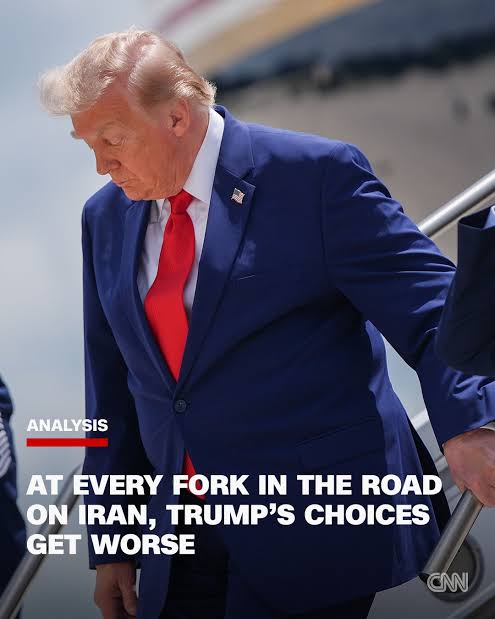
The ongoing tensions involving Iran, the United States, Israel, and regional allies continue to dominate global headlines. Political commentator Charlie Hurt recently argued that Iran has “dreadfully miscalculated” the situation, suggesting that Tehran underestimated the response of its adversaries and overestimated its strategic leverage.
As geopolitical tensions intensify, analysts, policymakers, and military experts are debating whether Iran’s actions have pushed the region toward greater instability. The consequences extend far beyond the Middle East, affecting global energy markets, international diplomacy, security alliances, and economic confidence.
Recent reports indicate that diplomatic channels remain active despite military confrontations, highlighting the complex balance between conflict and negotiation.
Understanding Charlie Hurt’s Argument

Charlie Hurt’s assessment centers on the belief that Iran misjudged several critical factors:
- The willingness of the United States to respond.
- The determination of regional allies.
- The impact of economic pressure.
- International support dynamics.
- The risks associated with prolonged escalation.
According to this perspective, Iranian leadership expected that strategic pressure would force concessions from opponents. Instead, the situation has generated stronger international scrutiny and increased military preparedness among rival powers.
The debate over miscalculation is not new. Throughout modern geopolitical history, nations have frequently underestimated how adversaries would react during crises.
Why Experts Believe Iran Miscalculated
Several analysts argue that Iran’s strategic assumptions may have been flawed.
1. Underestimating International Response
One major concern for Tehran may have been the belief that global powers would remain divided. Instead, security concerns have encouraged closer coordination among various countries.
Military alliances and intelligence-sharing arrangements have become increasingly important during periods of heightened tension.
2. Economic Vulnerability
Iran already faces significant economic challenges. Escalating conflict risks further sanctions, reduced investment, and disruptions to trade.
Economic pressure often becomes a powerful tool during geopolitical confrontations. Even when military objectives are achieved, economic consequences can create long-term difficulties.
3. Diplomatic Isolation
Diplomacy remains essential in international relations. Reports indicate that discussions between Iran and the United States have continued despite military tensions, suggesting that negotiation remains a preferred pathway for many stakeholders.
If diplomatic opportunities are lost, countries can become increasingly isolated on the world stage.
The Strategic Importance of Iran
Iran occupies one of the most strategically significant locations in the world.
Key Geographic Advantages
Iran’s position provides influence over:
- The Persian Gulf.
- Regional energy routes.
- Maritime trade corridors.
- Security developments across the Middle East.
Because of this location, any conflict involving Iran has the potential to affect global markets and international security.
Control of Vital Shipping Routes
The Strait of Hormuz remains one of the world’s most important energy chokepoints.
A significant portion of global oil exports passes through this narrow waterway. Any disruption can immediately influence energy prices worldwide.
This is one reason why policymakers closely monitor developments involving Iran.
Regional Reactions
Neighboring countries have responded cautiously to escalating tensions.
Gulf States
Many Gulf nations seek stability and economic growth. Regional conflict threatens both objectives.
Governments across the region are carefully balancing security concerns with economic priorities.
Israel
Israel has consistently viewed Iranian military capabilities as a major security concern.
Any increase in tensions naturally heightens Israeli alertness and preparedness.
Turkey and Other Regional Powers
Countries throughout the Middle East are watching developments closely because instability can spread rapidly across borders.
Regional governments generally prefer diplomatic solutions over prolonged military confrontation.
Military Implications
Military analysts often emphasize the dangers of strategic miscalculation.
Escalation Risks
When tensions rise, the risk of unintended escalation increases.
Possible consequences include:
- Expanded military operations.
- Regional conflict spillover.
- Cyber warfare.
- Maritime disruptions.
- Increased defense spending.
History shows that conflicts sometimes evolve beyond the original intentions of participating nations.
The Importance of Deterrence
Deterrence remains a central element of modern military strategy.
Countries seek to convince adversaries that aggressive actions will produce unacceptable costs.
If Iran misjudged the effectiveness of deterrence mechanisms, Charlie Hurt’s criticism may reflect broader concerns shared by some analysts.
Economic Consequences of Rising Tensions
Economic markets often react immediately to geopolitical uncertainty.
Oil Price Volatility
Energy traders closely monitor events involving Iran because of its role in global oil production and transportation.
Potential consequences include:
- Rising oil prices.
- Increased transportation costs.
- Inflationary pressures.
- Reduced investor confidence.
Global Market Impact
Financial markets dislike uncertainty.
Major geopolitical crises can trigger:
- Stock market fluctuations.
- Currency volatility.
- Reduced investment activity.
- Supply chain disruptions.
The global economy remains interconnected, meaning regional instability can have worldwide effects.
Diplomatic Opportunities Still Exist
Despite intense rhetoric and military concerns, diplomacy continues to play an important role.
Recent reports indicate ongoing communication between American and Iranian representatives, suggesting that negotiations remain possible.
Why Diplomacy Matters
Diplomatic engagement offers several advantages:
- Reducing misunderstandings.
- Preventing accidental escalation.
- Building confidence.
- Creating pathways toward agreements.
Many international observers believe that sustained dialogue remains the most effective way to prevent broader conflict.
Historical Lessons About Miscalculation
History offers numerous examples of nations making strategic errors.
Common Causes of Miscalculation
Leaders sometimes miscalculate because they:
- Misread intelligence.
- Overestimate military capabilities.
- Underestimate opponents.
- Ignore economic consequences.
- Misjudge public opinion.
These factors have contributed to conflicts throughout history.
Why Strategic Judgment Matters
Successful foreign policy requires accurate assessments of risks and opportunities.
When assumptions prove incorrect, governments may face unexpected consequences.
This is the core argument behind Charlie Hurt’s assertion that Iran may have miscalculated.
Global Reactions
International leaders continue to express concern about rising tensions.
United Nations
The international community generally supports efforts to reduce conflict and encourage dialogue.
The United Nations frequently emphasizes peaceful resolution of disputes.
European Governments
European countries often prioritize diplomatic engagement and stability.
Their focus typically includes:
- Regional security.
- Energy stability.
- Economic cooperation.
- Humanitarian concerns.
Asian Markets
Asian economies are particularly sensitive to energy disruptions because many rely heavily on imported oil and gas.
As a result, developments involving Iran receive close attention across Asia.
Could the Situation De-Escalate?
Many experts believe de-escalation remains possible.
Several factors support this outlook:
- Continued diplomatic contacts.
- Economic incentives for stability.
- International pressure.
- Shared concerns about broader conflict.
While tensions remain high, neither side necessarily benefits from an uncontrolled regional war.
What Happens Next?
The future depends on decisions made by multiple actors.
Potential scenarios include:
Scenario 1: Successful Diplomacy
Negotiations lead to reduced tensions and improved communication.
Scenario 2: Continued Standoff
Military and political pressure continue without major escalation.
Scenario 3: Escalation
Misunderstandings or strategic decisions trigger wider confrontation.
Most policymakers hope to avoid the third scenario because of its potential consequences.
Conclusion
Charlie Hurt’s statement that Iran “dreadfully miscalculated” reflects a broader debate about strategic decision-making in one of the world’s most volatile regions.
Whether Iran actually misjudged the balance of power remains a matter of interpretation. However, few observers dispute that the stakes are enormous.
The consequences of miscalculation could affect regional security, global energy markets, international diplomacy, and economic stability for years to come.
As tensions continue, diplomatic efforts remain crucial. Recent reports showing continued communication between the United States and Iran suggest that opportunities for dialogue still exist despite ongoing disagreements.
The coming months will determine whether the region moves toward greater stability or deeper uncertainty.
FAQs
What did Charlie Hurt mean by saying Iran “dreadfully miscalculated”?
Charlie Hurt suggested that Iran underestimated the response of its adversaries and overestimated its own strategic leverage, leading to greater risks and instability.
Why is Iran strategically important?
Iran occupies a key geographic position in the Middle East and influences important energy routes, including the Strait of Hormuz.
How could tensions involving Iran affect oil prices?
Any disruption to regional energy supplies or shipping routes can increase oil prices and create volatility in global markets.
Are diplomatic talks still ongoing?
Recent reports indicate that communication between U.S. and Iranian representatives continues despite military tensions.
What are the biggest risks of miscalculation?
Major risks include military escalation, economic instability, diplomatic isolation, and disruptions to global trade and energy markets.
Can the situation be resolved peacefully?
Many analysts believe diplomacy remains the most effective path toward reducing tensions and preventing wider conflict.
How useful was this post?
Click on a star to rate it!
Average rating 0 / 5. Vote count: 0
No votes so far! Be the first to rate this post.
About the Author

usa5911.com
Administrator
Hi, I’m Gurdeep Singh, a professional content writer from India with over 3 years of experience in the field. I specialize in covering U.S. politics, delivering timely and engaging content tailored specifically for an American audience. Along with my dedicated team, we track and report on all the latest political trends, news, and in-depth analysis shaping the United States today. Our goal is to provide clear, factual, and compelling content that keeps readers informed and engaged with the ever-changing political landscape.