Gen Keane Warns:Iranian Leadership Is Arrogant,Terror,Alert
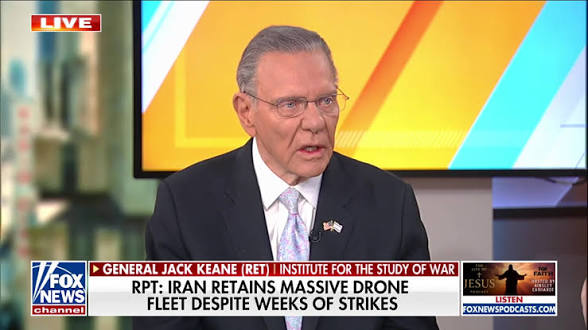
Tensions surrounding Iran’s leadership, military strategy, and regional influence continue to attract global attention. A warning attributed to retired U.S. General Jack Keane has renewed discussions about Tehran’s decision-making, its confrontation with Western powers, and the possibility of further instability in the Middle East.
The debate focuses on whether Iran’s leadership has underestimated international responses and whether its policies could increase the risk of a wider conflict. Analysts have long examined Iran’s approach toward regional rivals, nuclear negotiations, military partnerships, and proxy groups.
Recent developments involving the United States, Iran, and regional actors have increased fears of escalation. Reports of military confrontations, diplomatic breakdowns, and threats from both sides have created uncertainty about the future of Middle East security.
Who Is Gen. Jack Keane?

General Jack Keane is a retired four-star U.S. Army general and former Vice Chief of Staff of the U.S. Army. After leaving active military service, he became a prominent national security analyst, frequently commenting on global conflicts, defense strategies, and U.S. military policy.
Keane has often discussed Iran as a major strategic challenge for the United States and its allies. His views usually focus on Tehran’s military capabilities, regional influence, and the actions of groups connected to Iran.
His warnings are closely followed because of his military background and experience in strategic planning.
Understanding the Warning About Iranian Leadership
The phrase “Iranian leadership is arrogant” reflects a broader criticism made by some U.S. officials and analysts who argue that Tehran sometimes takes risky actions based on confidence in its military capabilities and regional networks.
Critics say Iran’s leadership may believe it can withstand international pressure because of:
- Its missile capabilities
- Regional alliances
- Energy resources
- Military organizations
- Political influence in neighboring countries
Supporters of Iran, however, argue that Tehran’s policies are based on national defense and resistance against foreign pressure.
The disagreement highlights the complexity of Middle East politics, where competing security interests often create cycles of confrontation.
Iran’s Strategic Approach in the Middle East
Iran has built significant influence across the region through political partnerships and relationships with armed groups. Its foreign policy has often focused on creating strategic depth beyond its borders.
Supporters argue that Iran uses these relationships as a defensive strategy against stronger military powers.
Opponents argue that Iran’s regional activities contribute to instability and increase tensions with countries such as Israel, Saudi Arabia, and the United States.
The result has been a long-running struggle for influence across the Middle East.
Why Experts Are Concerned About Escalation
Security analysts worry that miscalculations between Iran and its opponents could trigger a larger conflict.
Several factors increase the risk:
1. Military Confrontations
Direct or indirect clashes between forces can quickly escalate if communication channels fail.
Recent U.S.-Iran tensions have included military threats, attacks, and concerns about regional security.
2. Nuclear Concerns
Iran’s nuclear program remains one of the biggest international concerns. Western governments have repeatedly expressed worries about nuclear capabilities, while Iran maintains that its program has peaceful purposes.
3. Regional Proxy Conflicts
Iran’s relationships with regional groups remain a major issue in international discussions. Any increase in fighting involving these groups could expand regional instability.
US-Iran Relations: A Long History of Conflict
The relationship between Washington and Tehran has been hostile for decades.
Major disputes include:
- The 1979 Iranian Revolution
- Sanctions against Iran
- Nuclear negotiations
- Military tensions in the Gulf region
- Regional influence competition
Both countries have accused each other of aggressive behavior.
The United States argues that Iran threatens regional stability, while Iran accuses Washington of attempting to weaken its sovereignty.
Could Iran’s Leadership Change Its Strategy?
Experts remain divided on whether Tehran will change its approach.
Some analysts believe economic pressure and military threats could push Iran toward negotiations.
Others argue that pressure may strengthen hardline positions within the government.
Iranian officials have frequently stated that they will defend national interests and resist foreign pressure.
The Role of Military Power
Military strength remains central to Iran’s national strategy.
Iran has invested heavily in:
- Ballistic missiles
- Drone technology
- Naval capabilities
- Cyber operations
- Regional partnerships
At the same time, the United States maintains one of the world’s most powerful military forces, creating a major imbalance but also a dangerous confrontation environment.
Both sides understand that a direct war could have enormous consequences.
Global Impact of Rising Iran Tensions
A major conflict involving Iran could affect countries far beyond the Middle East.
Possible global consequences include:
Energy Markets
The Middle East plays a critical role in global oil supplies. Any disruption could affect fuel prices worldwide.
International Trade
Shipping routes in the region are essential for global commerce.
Diplomatic Relations
Countries around the world would face pressure to respond to a major crisis.
Is a Larger War Possible?
While tensions remain high, a full-scale war is not inevitable.
Countries often use military pressure, diplomacy, and negotiations simultaneously.
The biggest challenge is preventing accidental escalation.
A single incident involving military forces, ships, missiles, or regional allies could create a rapid crisis.
Expert Opinions on Iran’s Future Direction
Analysts generally identify three possible paths:
1. Increased Confrontation
Iran could continue aggressive policies, leading to greater military tensions.
2. Diplomatic Engagement
Negotiations could reduce tensions and create agreements on security issues.
3. Regional Power Competition
Iran may continue competing with rivals without entering a direct war.
The future depends on decisions made by leaders in Tehran, Washington, and other regional capitals.
Conclusion
Gen. Keane’s warning about Iranian leadership reflects broader concerns among many security analysts about Tehran’s strategic choices and the possibility of regional instability.
While critics describe Iran’s approach as dangerous and overly confident, Iranian officials argue their policies are focused on defending national interests.
The situation remains highly complex. Military strength, diplomacy, economic pressure, and international cooperation will all influence what happens next.
The world continues to watch whether tensions move toward negotiation or further confrontation.
Frequently Asked Questions (FAQs)
1. Who is Gen. Jack Keane?
Gen. Jack Keane is a retired U.S. Army four-star general and national security analyst known for his views on military and foreign policy issues.
2. Why is Iran considered a major security concern?
Iran is considered a major security concern because of disputes involving its nuclear program, military capabilities, and regional influence.
3. Does Iran want a war with the United States?
Iran has stated that it wants to defend its interests, while U.S. officials have accused Tehran of destabilizing actions. The situation remains disputed.
4. What makes Iran’s military powerful?
Iran has developed missile technology, drone capabilities, naval forces, and regional partnerships.
5. Could Iran tensions affect oil prices?
Yes. Any major conflict in the Middle East could impact energy markets and global fuel prices.
6. What is the biggest risk in US-Iran tensions?
The biggest risk is miscalculation, where a limited confrontation could expand into a larger conflict.
7. Can diplomacy reduce tensions between Iran and the US?
Diplomacy can reduce tensions, but disagreements over security, nuclear issues, and regional influence remain major obstacles.
One of the biggest concerns among security experts is whether Iran’s leadership could miscalculate the response of its opponents. In international conflicts, leaders often attempt to project strength, but aggressive decisions can sometimes create unexpected consequences.
Critics of Tehran argue that Iran’s leadership may underestimate the willingness of the United States and its allies to respond to threats. They claim that confidence in military capabilities, regional partnerships, and political influence could encourage risk-taking.
However, Iranian officials have repeatedly argued that their actions are defensive and designed to protect the country from external pressure. They say decades of sanctions and military threats have shaped Iran’s security policies.
The disagreement between these two perspectives remains at the center of global discussions.
The Importance of Intelligence and Military Planning
Modern conflicts are not only decided by traditional military strength. Intelligence, technology, cyber capabilities, and economic power play major roles.
The United States has invested heavily in advanced military systems, intelligence networks, and international partnerships. Iran, meanwhile, has focused on asymmetric strategies designed to challenge stronger opponents.
These strategies include:
- Missile development
- Drone technology
- Cyber capabilities
- Naval operations
- Regional alliances
Military experts believe that future conflicts may not look like traditional wars. Instead, they could involve a combination of cyber attacks, economic pressure, limited strikes, and diplomatic battles.
Iran’s Missile and Drone Capabilities
Iran’s missile program has been a major focus of international concern. Tehran has developed various missile systems capable of reaching targets across parts of the Middle East.
Iran has also expanded its drone capabilities, which have become an important part of modern warfare.
Supporters of Iran argue that these weapons provide a necessary defense against larger military powers.
Opponents argue that these capabilities increase regional risks and give Iran greater ability to influence conflicts beyond its borders.
The debate over Iran’s military technology continues to shape international security discussions.
The Nuclear Issue Remains a Major Challenge
The Iranian nuclear program remains one of the most sensitive issues in global politics.
Western nations have expressed concerns that Iran’s nuclear activities could eventually support weapons development. Iran denies these accusations and says its nuclear program is intended for peaceful purposes.
International agreements and inspections have attempted to address these concerns, but disagreements remain.
The nuclear issue has become a symbol of the larger struggle between Iran and Western governments over trust, security, and political influence.
Regional Countries Watching Closely
Countries across the Middle East closely monitor Iran’s actions because any major conflict could directly affect regional stability.
Nations including Israel, Saudi Arabia, and Gulf states have expressed concerns about Iran’s military influence.
At the same time, some countries have attempted diplomatic engagement with Tehran to reduce tensions.
The region faces a difficult balance between competition and cooperation.
Economic Pressure on Iran
Economic sanctions have been a major tool used by Western governments to pressure Iran.
Sanctions have affected:
- Oil exports
- International trade
- Currency stability
- Foreign investment
Iran has attempted to reduce the impact of sanctions by strengthening relationships with countries outside the Western alliance system.
Supporters of sanctions argue they are necessary to influence Iran’s policies.
Critics argue that sanctions can increase hardship for ordinary citizens while having limited impact on government decisions.
Could Diplomacy Create a Solution?
Despite years of conflict, diplomacy remains an important possibility.
Negotiations have previously produced agreements on nuclear issues and regional concerns.
Diplomatic efforts usually focus on:
- Nuclear restrictions
- Security guarantees
- Economic cooperation
- Regional stability
However, deep mistrust between Iran and Western countries remains one of the biggest challenges.
The Role of Leadership Decisions
The future of Iran-related tensions depends heavily on decisions made by political and military leaders.
A decision to increase confrontation could lead to:
- More military incidents
- Higher economic uncertainty
- Greater regional instability
A decision toward negotiation could create opportunities for:
- Reduced tensions
- Improved trade
- Greater regional cooperation
Leadership choices will likely determine whether the current situation moves toward conflict or compromise.
What Gen Keane’s Warning Means for Global Security
Warnings from military leaders like Gen. Keane highlight concerns about how quickly regional conflicts can expand.
The Middle East has experienced multiple conflicts where local disputes became international crises.
Security experts emphasize several priorities:
- Maintaining communication channels
- Avoiding accidental military clashes
- Supporting diplomatic solutions
- Monitoring military developments carefully
The goal for many governments is preventing a situation where events move beyond anyone’s control.
Future Scenarios for Iran and the International Community
Experts often discuss several possible outcomes.
Scenario 1: Continued Tensions
In this situation, Iran and its opponents continue using pressure tactics without direct war.
This could include:
- Sanctions
- Military warnings
- Diplomatic disputes
Scenario 2: Limited Military Conflict
A small confrontation could occur if forces from different countries clash.
The danger is that a limited incident could grow larger.
Scenario 3: Diplomatic Breakthrough
A successful negotiation could reduce tensions and create a new relationship between Iran and other nations.
However, achieving such an agreement would require major compromises.
Why the World Is Paying Attention
Iran’s position in the Middle East gives it significant importance in global affairs.
The country influences:
- Regional security
- Energy markets
- International diplomacy
- Military strategy
Any major change involving Iran could affect governments, businesses, and ordinary people worldwide.
This is why statements from military experts and policymakers receive significant attention.
Final Thoughts
The warning associated with Gen. Jack Keane reflects broader concerns about Iran’s leadership decisions and the possibility of increased instability in the Middle East.
While critics argue that Tehran’s approach is too aggressive, Iran maintains that its policies are based on national security needs.
The coming years will depend on whether leaders choose confrontation or diplomacy.
The world continues to watch developments closely, hoping that competition between major powers does not turn into a wider crisis.
How useful was this post?
Click on a star to rate it!
Average rating 0 / 5. Vote count: 0
No votes so far! Be the first to rate this post.
About the Author

usa5911.com
Administrator
Hi, I’m Gurdeep Singh, a professional content writer from India with over 3 years of experience in the field. I specialize in covering U.S. politics, delivering timely and engaging content tailored specifically for an American audience. Along with my dedicated team, we track and report on all the latest political trends, news, and in-depth analysis shaping the United States today. Our goal is to provide clear, factual, and compelling content that keeps readers informed and engaged with the ever-changing political landscape.