Iran Misjudged:Charlie Hurt Issues Warning On Trump,Chaos
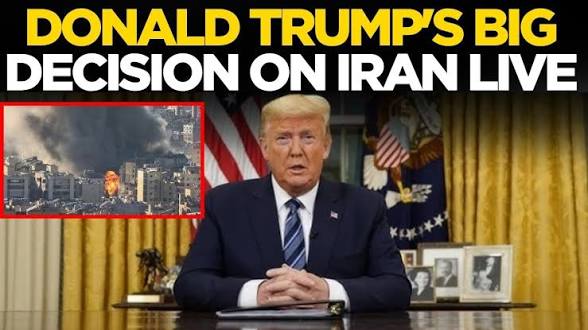
The relationship between the United States and Iran has entered another dangerous phase, with political commentators and analysts debating whether Tehran, Washington, or both sides have underestimated the consequences of escalation.
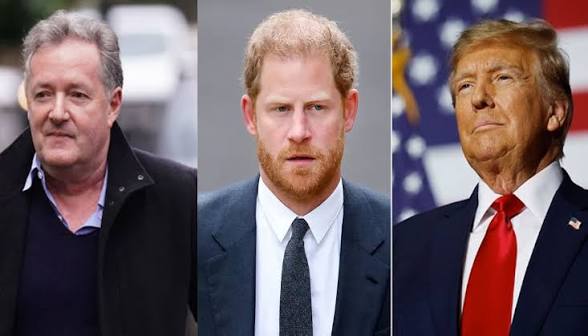
Conservative commentator Charlie Hurt has drawn attention to the seriousness of the confrontation, highlighting the risks surrounding President Donald Trump’s approach toward Iran. His remarks come as tensions continue to dominate international headlines, with military pressure, diplomacy, and regional security concerns all shaping the debate.
The phrase “Iran misjudged” has become a major talking point among supporters of a tougher U.S. policy, who argue that Tehran may have underestimated Trump’s willingness to respond aggressively. At the same time, critics warn that military escalation could create unpredictable consequences across the Middle East.
Charlie Hurt’s Warning About Trump’s Iran Strategy
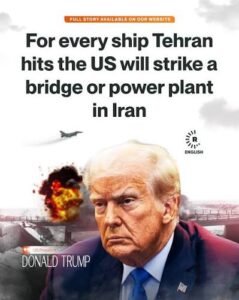
Charlie Hurt, a political commentator known for his conservative views, has discussed how Iran’s leadership may have calculated the risks of challenging the United States under President Trump.
According to this perspective, Iran may have expected political divisions inside America to limit Washington’s response. However, supporters of Trump’s foreign policy argue that his administration has repeatedly shown a willingness to use economic pressure and military strength when dealing with security threats.
Hurt’s warning reflects a broader argument: Iran should not assume that previous patterns of U.S. responses will continue. Trump’s approach has often focused on projecting strength, creating uncertainty for opponents, and using pressure tactics to achieve political goals.
The debate now centers on whether Iran correctly understood the consequences of confronting a Trump administration that has emphasized deterrence.
Why Iran May Have Miscalculated
The idea that Iran “misjudged” the situation comes from several factors.
First, analysts point to the possibility that Iranian leaders underestimated the political support Trump could receive for a tougher response. While American politics remains divided, national security issues can sometimes create temporary unity among voters and lawmakers.
Second, Iran may have misread the willingness of the United States to maintain pressure despite economic and diplomatic costs.
Third, regional allies and opponents are watching closely. Any major conflict involving Iran could affect countries throughout the Middle East, especially those connected to energy markets, shipping routes, and security partnerships.
Recent reporting has highlighted concerns that U.S.-Iran tensions could expand beyond direct confrontation, affecting regional stability and global markets.
Trump’s Approach: Maximum Pressure and Strategic Uncertainty
Donald Trump’s foreign policy style has often relied on maximum pressure campaigns. His supporters argue that unpredictability can strengthen America’s negotiating position by making adversaries uncertain about future actions.
During previous confrontations with Iran, Trump emphasized sanctions, military readiness, and demands related to Iran’s nuclear ambitions and regional influence.
Supporters believe this strategy sends a clear message: attacks against American interests will carry serious consequences.
Critics, however, argue that aggressive policies can increase the possibility of miscalculation. They warn that a misunderstanding between two powerful nations could quickly turn into a larger crisis.
The challenge for Washington is balancing deterrence with avoiding a conflict that neither side can fully control.
Middle East Tensions Create Global Concerns
The Iran situation is not limited to Washington and Tehran. The Middle East plays a central role in global energy supplies and international trade.
Any disruption involving important waterways, military facilities, or regional allies could affect:
- Oil prices
- Shipping routes
- Global markets
- Diplomatic relationships
- Regional security
The Strait of Hormuz, one of the world’s most important energy routes, remains a major focus whenever tensions between Iran and Western countries increase.
A prolonged confrontation could create economic pressure worldwide, affecting consumers far beyond the Middle East.
Supporters Say Trump’s Strength Sends a Message
Trump’s supporters argue that previous diplomatic efforts failed because Iran did not face enough pressure.
They believe a stronger approach forces Tehran to reconsider its actions and prevents future challenges against U.S. interests.
According to this viewpoint, Iran’s leadership understands power and responds only when faced with significant consequences.
Supporters also argue that avoiding conflict requires credible deterrence. They claim that weakness could encourage further aggression from Iran and its regional partners.
Critics Warn About Escalation Risks
Opponents of a harder military approach argue that pressure alone may not solve the underlying issues.
They point to past conflicts where military action created unexpected challenges, including prolonged instability and humanitarian consequences.
Critics warn that Iran has significant military capabilities, including missiles, drones, and regional networks that could respond to attacks.
They argue that leaders must carefully calculate every move because even limited actions could trigger a wider crisis.
The possibility of retaliation remains one of the biggest concerns among international observers.
The Role of Media and Political Debate
The Iran debate has also become a major political issue inside the United States.
Commentators like Charlie Hurt have emphasized the importance of understanding Trump’s negotiating style and his willingness to take bold actions.
Other analysts focus on the risks of decision-making during a crisis, especially when both sides believe they have strategic advantages.
Media coverage has intensified public debate, with different political groups interpreting events through different perspectives.
Some view Trump’s approach as necessary strength, while others see it as dangerous escalation.
Could Diplomacy Still Prevent a Crisis?
Despite rising tensions, diplomacy remains an important option.
History shows that even countries with deep disagreements can negotiate when the costs of conflict become too high.
Possible diplomatic solutions could involve:
- Nuclear discussions
- Regional security agreements
- Economic negotiations
- Confidence-building measures
However, successful diplomacy requires trust, and relations between the United States and Iran remain deeply damaged.
Both sides must decide whether compromise is possible or whether confrontation will continue.
What Happens Next?
The future of U.S.-Iran relations depends on several factors:
- Military decisions by both governments
- Diplomatic negotiations
- Regional reactions
- Domestic political pressure
- Economic consequences
Charlie Hurt’s warning has added to the discussion about whether Iran underestimated Trump’s willingness to act.
The coming months could determine whether the situation moves toward negotiation or deeper confrontation.
The central question remains: did Iran misjudge Trump, or did both sides underestimate the dangers of escalation?
Global Security Risks From Rising U.S.-Iran Tensions
The growing confrontation between the United States and Iran has created concerns far beyond the borders of both nations. Any major escalation could influence global security, energy markets, and diplomatic relationships.
Recent tensions have included military threats, warnings from political leaders, and concerns about attacks involving regional allies. Reports have described expanding military operations and retaliatory actions in the region, increasing fears that a limited conflict could become a wider confrontation.
For many observers, the biggest concern is not only what happens between Washington and Tehran but how other countries respond.
A larger conflict could involve:
- Middle Eastern allies
- International shipping routes
- Energy markets
- Global diplomatic organizations
- Military forces stationed in the region
This is why analysts continue to emphasize the importance of careful decision-making.
Iran’s Possible Response To Trump Pressure
If Iran believes it has been targeted unfairly, its leadership may consider several options.
Possible responses could include:
1. Diplomatic Negotiations
Iran could attempt to reduce tensions through discussions with international mediators. Diplomacy has historically been used to prevent conflicts from reaching a point where military action becomes unavoidable.
2. Regional Pressure
Iran has historically maintained relationships with groups and partners across the Middle East. Any regional response could increase security concerns for U.S. allies.
3. Military Signaling
Iran may use military exercises, missile tests, or public statements to demonstrate strength and discourage further pressure.
However, every response carries risks. A move intended as a warning could be interpreted as an act of aggression, increasing the possibility of further escalation.
Trump’s Political Challenge In The Iran Crisis
President Donald Trump’s approach toward Iran has become a major political debate inside the United States.
Supporters argue that a strong position demonstrates American power and prevents adversaries from taking advantage of perceived weakness.
They believe Trump’s willingness to use pressure tactics forces Iran to reconsider its actions.
Critics argue that foreign policy decisions involving military power require clear goals and careful planning. They warn that escalation without a long-term strategy could create more problems.
The political challenge for Trump is balancing two competing goals:
- Showing strength against Iran
- Avoiding a prolonged regional conflict
Trump’s supporters often describe his negotiating style as unpredictable by design, while opponents argue unpredictability can increase risks during international crises.
Media Reaction And Public Debate
The Iran situation has produced intense discussion among political commentators.
Charlie Hurt’s comments reflect one side of the debate, emphasizing that Iran may have misunderstood Trump’s willingness to respond firmly.
Other commentators have focused on concerns about military involvement, economic costs, and the possibility of unintended consequences.
The media debate often centers around several questions:
- Did Iran underestimate Trump’s strategy?
- Is pressure the best path toward a deal?
- Could military action create a larger crisis?
- What outcome would benefit regional stability?
These questions remain central as tensions continue.
Economic Impact Of The Iran Crisis
A major concern from any U.S.-Iran confrontation is the effect on the global economy.
The Middle East remains one of the world’s most important energy regions. Increased instability can affect:
- Oil supply
- Transportation costs
- Inflation
- Global markets
Shipping routes are especially important because disruptions can increase costs for businesses and consumers worldwide.
Energy markets often react quickly to geopolitical uncertainty because investors worry about future supply problems.
A prolonged crisis could create economic pressure on countries that depend heavily on imported energy.
Could Iran And The U.S. Avoid A Larger War?
Despite strong statements from both sides, diplomacy remains possible.
Historically, even serious rivals have found ways to negotiate when the cost of conflict becomes too high.
A possible agreement could require:
- Nuclear restrictions
- Security guarantees
- Regional discussions
- Economic arrangements
- Verification systems
However, trust remains the biggest challenge.
Both Washington and Tehran have accused each other of breaking commitments in previous negotiations.
Building confidence would require significant political effort from both governments.
Expert View: The Danger Of Miscalculation
One of the greatest risks in international conflicts is miscalculation.
A country may believe it is sending a warning, while another country interprets it as an attack.
This can create a chain reaction:
- One side takes military action.
- The other side responds.
- Allies become involved.
- The conflict expands.
This possibility explains why military leaders and diplomats often emphasize communication channels during periods of tension.
The phrase “Iran misjudged” represents a broader question: did Tehran misunderstand Washington’s intentions, or could both sides misunderstand the consequences of escalation?
The Future Of U.S.-Iran Relations
The future relationship between the United States and Iran will likely depend on several developments:
- Future negotiations
- Military decisions
- Domestic political pressure
- Regional alliances
- Economic conditions
If both sides choose diplomacy, tensions could gradually decrease.
If leaders continue increasing pressure without communication, the risk of a larger confrontation may grow.
The coming period will test whether strategic pressure can achieve political goals without creating wider instability.
Conclusion: Iran Misjudged Trump Or Did Both Sides Miscalculate?
The debate surrounding Charlie Hurt’s warning on Trump and Iran highlights one of the most important geopolitical questions today.
Supporters argue Iran may have underestimated Trump’s willingness to respond strongly. Critics warn that aggressive actions could produce dangerous consequences.
The reality is that U.S.-Iran relations remain complicated, involving military power, diplomacy, economics, and regional security.
Whether Iran truly misjudged Trump or whether both nations underestimated the risks of confrontation will depend on future decisions.
The world continues to watch closely as leaders decide whether the next chapter will bring negotiation or further chaos.
Frequently Asked Questions (FAQs)
1. What did Charlie Hurt say about Iran and Trump?
Charlie Hurt has discussed the idea that Iran may have underestimated President Donald Trump’s approach, particularly his willingness to use pressure and strength in foreign policy debates.
2. Why is Iran considered a major concern for U.S. foreign policy?
Iran is considered significant because of its military capabilities, regional influence, nuclear activities, and role in Middle Eastern security.
3. Does Trump support a tougher approach toward Iran?
Trump has generally supported pressure-based policies toward Iran, including sanctions and demands related to security concerns.
4. Could the U.S.-Iran situation lead to a larger war?
A wider conflict is possible if military actions continue escalating, although diplomacy remains an option.
5. How could Iran tensions affect global markets?
Instability involving Iran could influence oil prices, shipping costs, and international economic confidence.
6. What is the main argument of Trump supporters?
Supporters argue that strong pressure can discourage Iran from taking aggressive actions and improve America’s negotiating position.
7. What do critics say about escalation?
Critics warn that military escalation could create unpredictable consequences and increase regional instability.
8. Can diplomacy still work between the U.S. and Iran?
Diplomacy remains possible, but major disagreements and lack of trust make negotiations difficult.
How useful was this post?
Click on a star to rate it!
Average rating 0 / 5. Vote count: 0
No votes so far! Be the first to rate this post.
About the Author

usa5911.com
Administrator
Hi, I’m Gurdeep Singh, a professional content writer from India with over 3 years of experience in the field. I specialize in covering U.S. politics, delivering timely and engaging content tailored specifically for an American audience. Along with my dedicated team, we track and report on all the latest political trends, news, and in-depth analysis shaping the United States today. Our goal is to provide clear, factual, and compelling content that keeps readers informed and engaged with the ever-changing political landscape.