High Seas Clash:US Troops Seize Blockade Runner,CENTCOM Warns Iran,Fury
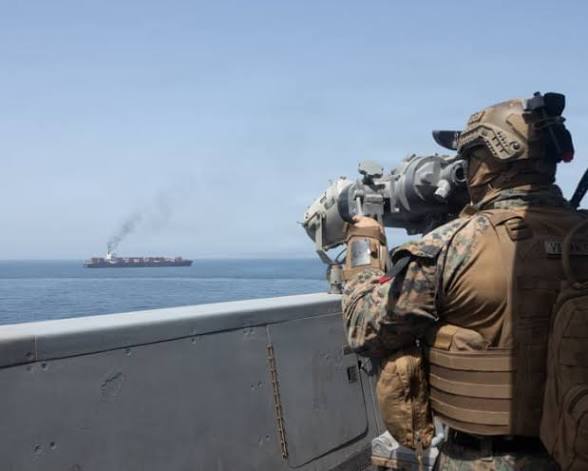
Tensions in the Middle East have entered another critical phase as reports indicate that US troops intercepted and seized a vessel allegedly attempting to breach a maritime blockade, while the United States Central Command (CENTCOM) issued fresh warnings to Iran over regional security concerns. The latest developments have fueled global attention as military operations continue across strategic waterways, raising fears of a broader regional confrontation.
While several operational details are still emerging, officials have described the incident as part of ongoing efforts to enforce maritime security and protect international shipping lanes. The seizure has sparked intense political reactions, renewed diplomatic exchanges, and heightened military readiness throughout the region.
The US troops seize blockade runner story has quickly become one of the most discussed geopolitical developments, with analysts examining its implications for global energy markets, international trade, and regional stability.
US Troops Seize Blockade Runner During Maritime Operation
According to initial reports, US military personnel conducted a coordinated operation targeting a vessel suspected of violating maritime restrictions established during the ongoing regional crisis. Officials stated that intelligence had tracked the ship before naval assets intercepted it in international waters.
Military sources indicated that the boarding operation was carried out after repeated warnings and followed established maritime procedures. The vessel was reportedly searched, its crew detained for questioning, and cargo inspected as part of the investigation.
Authorities have not publicly released every operational detail, emphasizing that the inquiry remains active. However, officials described the mission as a demonstration of continued enforcement efforts designed to prevent prohibited shipments from reaching designated destinations.
CENTCOM Issues Strong Warning to Iran
Following the interception, US Central Command (CENTCOM) reiterated that it remains committed to protecting freedom of navigation and ensuring the security of international maritime routes.
Military officials warned that any attempts to threaten US personnel, allied forces, or commercial shipping would receive an appropriate response. CENTCOM emphasized that maintaining stability across strategic waterways remains one of its highest priorities.
The statement also called upon regional actors to avoid actions that could further escalate tensions, while reaffirming America’s commitment to working alongside international partners.
Security analysts noted that the wording of the statement reflects increasing concern over repeated incidents affecting shipping lanes in recent months.
Why the Maritime Blockade Matters
Maritime blockades play a significant role during periods of international conflict. They are designed to restrict the movement of military equipment, sanctioned goods, or strategic materials into contested regions.
In this case, enforcement activities are intended to:
- Prevent unauthorized cargo deliveries.
- Protect commercial shipping.
- Maintain regional security.
- Enforce international sanctions where applicable.
- Reduce risks to allied naval forces.
Supporters argue that strict enforcement helps discourage further escalation, while critics warn that aggressive maritime operations could increase the possibility of unintended military confrontations.
Strategic Importance of Regional Shipping Routes
The waters surrounding the Middle East remain among the world’s most strategically important maritime corridors. Every day, large volumes of oil, liquefied natural gas, manufactured goods, and commercial cargo travel through these routes.
Any disruption can immediately affect:
- Global oil prices.
- International shipping costs.
- Insurance premiums for commercial vessels.
- Energy supplies.
- Global financial markets.
Because of this importance, naval deployments by major powers often receive worldwide attention.
Iran Responds to Rising Military Pressure
Iranian officials have consistently criticized increased foreign military activity near its coastline. Government representatives argue that outside intervention contributes to regional instability and increases the likelihood of accidental confrontations.
Following reports of the vessel seizure, Iranian media and officials strongly condemned what they described as escalating military pressure. Tehran reiterated its longstanding position that it will continue to safeguard its national interests while rejecting what it considers unlawful interference.
At the time of writing, several claims from both sides remain difficult to verify independently, and official investigations are ongoing.
International Community Closely Watches Developments
Governments across Europe, Asia, and the Middle East continue monitoring developments carefully.
Several countries have urged restraint, emphasizing that diplomatic engagement remains essential for avoiding a wider conflict. International organizations have similarly called for respect for international maritime law and peaceful resolution of disputes.
Shipping companies are also evaluating the evolving security environment, with some operators reportedly reviewing routes and operational procedures in response to heightened regional risks.
Impact on Global Energy Markets
One of the immediate consequences of rising tensions has been increased volatility in global energy markets.
Whenever security concerns affect major shipping lanes, traders closely monitor the potential impact on oil exports. Even limited disruptions can influence prices due to uncertainty surrounding future supplies.
Energy analysts suggest that prolonged military tensions could lead to:
- Higher crude oil prices.
- Increased transportation expenses.
- Rising fuel costs for consumers.
- Greater market volatility.
- Delays in international energy shipments.
However, actual market effects will depend on how the situation evolves over the coming weeks.
Military Analysts Assess the Operation
Defense experts describe the reported interception as part of broader efforts to strengthen maritime security throughout the region.
According to military analysts, operations of this nature generally require:
- Advanced surveillance.
- Naval coordination.
- Intelligence gathering.
- Air support.
- Rules-of-engagement compliance.
Such missions are typically planned carefully to minimize risks while ensuring the safety of military personnel and civilian crews.
Regional Allies Increase Security Coordination
The reported seizure has prompted several U.S. allies in the Middle East to strengthen maritime surveillance and defense coordination. Naval forces operating in the region are increasing patrols around key shipping lanes while sharing intelligence to identify potential security threats.
Defense officials say the objective is to deter further incidents and reassure commercial shipping companies that major sea routes remain protected. Joint exercises and information-sharing efforts have also expanded in recent weeks.
Military experts believe multinational cooperation is essential because no single country can effectively secure all strategic waterways alone. Coordinated patrols allow allied nations to respond more quickly to emergencies while reducing the risk of misunderstandings at sea.
Diplomatic Efforts Continue Despite Rising Tensions
Even as military activity increases, diplomatic channels remain active.
Several governments have called for dialogue between Washington and Tehran to prevent further escalation. International mediators continue encouraging both sides to resolve disputes through negotiations rather than military confrontation.
Analysts note that diplomacy often continues quietly even during periods of heightened military activity. Behind-the-scenes discussions can play a significant role in reducing tensions and preventing incidents from developing into larger conflicts.
Many observers believe that maintaining open communication is critical to avoiding miscalculations that could destabilize the region further.
Commercial Shipping Companies Monitor the Situation
Shipping companies are paying close attention to developments following reports of the blockade runner’s seizure.
Many operators have updated their security protocols, while some vessels have adjusted sailing schedules or routes depending on the latest maritime advisories.
Insurance providers are also monitoring the situation closely. Increased security risks in strategic waterways can lead to higher insurance premiums for commercial vessels, ultimately affecting global shipping costs.
Despite these concerns, international maritime traffic continues, with naval forces working to ensure safe passage for commercial ships.
Could the Crisis Affect Global Trade?
The Middle East remains one of the world’s most important regions for energy exports and international commerce. Any prolonged disruption to shipping could have broader economic consequences.
Potential impacts include:
- Higher transportation costs.
- Delays in cargo deliveries.
- Increased fuel prices.
- Supply chain disruptions.
- Greater uncertainty in financial markets.
Economists emphasize that even short-term geopolitical uncertainty can influence investor confidence and commodity prices worldwide.
What Happens Next?
The coming days are likely to be critical as investigators continue examining the seized vessel and governments assess their next steps.
Possible developments include:
- Additional naval patrols.
- Further diplomatic negotiations.
- New economic sanctions.
- Expanded intelligence operations.
- Statements from international organizations.
Officials have indicated that they will continue monitoring maritime activity while remaining prepared to respond to any additional security challenges.
Because many operational details remain under investigation, analysts caution against drawing conclusions until more verified information becomes available.
Conclusion
The reported seizure of a suspected blockade runner by U.S. forces marks another significant moment in ongoing Middle East tensions. Combined with CENTCOM’s warning to Iran, the incident underscores the strategic importance of maritime security and freedom of navigation in one of the world’s busiest shipping regions.
Although political rhetoric has intensified, diplomatic efforts remain active, and many governments continue urging restraint. The situation remains fluid, with new information expected as official investigations progress.
Whether the latest developments lead to increased confrontation or renewed diplomatic engagement will depend on decisions made by regional leaders and the international community in the days ahead.
Frequently Asked Questions (FAQs)
1. Why did U.S. troops seize the alleged blockade runner?
According to U.S. officials, the operation was part of maritime security efforts to inspect a vessel suspected of violating restrictions. Authorities have not publicly released all operational details, and investigations are ongoing.
2. What is CENTCOM?
CENTCOM, or the United States Central Command, is the U.S. military command responsible for operations across the Middle East, parts of Central Asia, and surrounding regions.
3. Why are Middle East shipping routes so important?
These waterways carry a significant share of the world’s oil, natural gas, and commercial goods. Disruptions can affect global energy prices and international trade.
4. Has Iran officially responded?
Iranian officials have criticized increased U.S. military activity in the region and reiterated their position regarding national sovereignty. Specific claims surrounding the incident continue to evolve.
5. Could this incident lead to a wider conflict?
While tensions remain high, governments and international organizations continue urging restraint and diplomatic engagement. The long-term outcome will depend on future political and military developments.
How useful was this post?
Click on a star to rate it!
Average rating 0 / 5. Vote count: 0
No votes so far! Be the first to rate this post.
About the Author

usa5911.com
Administrator
Hi, I’m Gurdeep Singh, a professional content writer from India with over 3 years of experience in the field. I specialize in covering U.S. politics, delivering timely and engaging content tailored specifically for an American audience. Along with my dedicated team, we track and report on all the latest political trends, news, and in-depth analysis shaping the United States today. Our goal is to provide clear, factual, and compelling content that keeps readers informed and engaged with the ever-changing political landscape.