Naval War:US Forces Obliterate Iranian Targets,Strait Shut,Tension
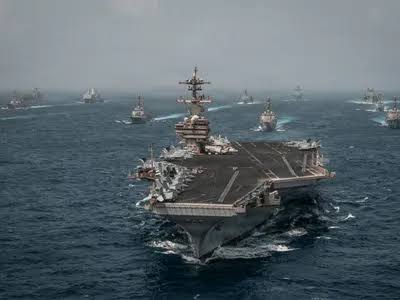
The Middle East has entered another dangerous phase as military tensions between the United States and Iran intensify around one of the world’s most important maritime routes — the Strait of Hormuz.
The strategic waterway, located between Iran and the Arabian Peninsula, plays a crucial role in global energy transportation. Any disruption in this region immediately raises concerns about oil supplies, shipping security, and international stability.
Recent reports indicate that U.S. forces have launched additional strikes against Iranian military-related targets while attempting to counter threats against maritime traffic. The escalation has increased fears of a wider naval confrontation involving regional powers.
The situation has placed the Strait of Hormuz at the center of a major geopolitical crisis, with military forces, economic markets, and governments worldwide closely watching every development.
US Military Operations Against Iranian Targets
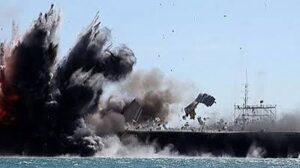
According to reports, American military actions have focused on reducing Iran’s ability to threaten commercial shipping and regional security. Targets reportedly included coastal defense positions, missile-related facilities, and military infrastructure connected to maritime operations.
The U.S. position has been that these operations are designed to protect freedom of navigation and prevent attacks on ships moving through international waters.
Military analysts say naval conflicts in the Persian Gulf often involve multiple layers:
- Missile defense systems
- Naval patrols
- Drone operations
- Electronic warfare
- Coastal missile batteries
- Commercial shipping protection missions
Unlike traditional land battles, naval confrontations can escalate quickly because a single incident involving a commercial vessel or military ship can trigger a larger response.
Why The Strait Of Hormuz Matters
The Strait of Hormuz is considered one of the world’s most important energy chokepoints.
Millions of barrels of oil and large quantities of natural gas pass through this narrow waterway every day. Any prolonged disruption could affect:
- Global fuel prices
- International shipping costs
- Energy markets
- Inflation levels
- Supply chains
A shutdown or blockade scenario would create immediate economic pressure far beyond the Middle East.
Reports have indicated that tensions surrounding the strait have increased following attacks on shipping and military responses from both sides.
Naval Power Becomes The Center Of The Conflict
Modern naval warfare is no longer limited to battles between ships.
Today’s maritime conflicts involve advanced technology, including:
1. Missile Systems
Both Iran and the United States possess advanced missile capabilities.
Iran has invested heavily in coastal defense missiles designed to threaten ships operating near its waters.
The United States maintains powerful naval assets equipped with advanced defense systems designed to intercept incoming threats.
2. Drone Warfare
Unmanned aerial vehicles have transformed conflicts worldwide.
Drones can be used for:
- Surveillance
- Target identification
- Maritime attacks
- Intelligence gathering
Their low cost and operational flexibility make them a major concern for naval forces.
3. Electronic Warfare
Modern battles also happen digitally.
Electronic warfare can disrupt:
- Communication networks
- Navigation systems
- Radar operations
- Missile guidance
This invisible battlefield has become a major part of military strategy.
Strait Closure Threats Raise Global Alarm
The possibility of restrictions on shipping through the Strait of Hormuz has triggered international concern.
Iran has previously threatened to restrict access to the waterway during periods of extreme tension, while the United States has emphasized maintaining open maritime routes.
A complete closure would create serious consequences:
- Higher oil prices
- Increased shipping insurance costs
- Delays in energy deliveries
- Greater pressure on global economies
Countries dependent on imported energy would be especially vulnerable.
Regional Countries Caught Between Two Powers
The conflict is not limited to Washington and Tehran.
Several Gulf nations host important military facilities and are economically connected to energy exports.
Countries across the region face difficult challenges:
- Protecting their territory
- Maintaining trade relationships
- Avoiding direct involvement
- Managing security risks
Any escalation involving missile attacks or drone strikes could affect multiple countries.
Reports have described retaliatory actions and wider regional concerns following recent military exchanges.
Why The US Is Increasing Pressure
U.S. officials have argued that military action is necessary to protect American personnel, allies, and international shipping.
Washington’s strategy appears focused on:
- Reducing Iran’s military capabilities
- Preventing attacks on ships
- Demonstrating naval dominance
- Increasing diplomatic pressure
However, military experts warn that increased pressure can also create risks.
A strike intended as a limited operation could potentially lead to:
- Retaliatory attacks
- Wider regional involvement
- Longer military engagement
Iran’s Response And Military Strategy
Iran has repeatedly stated that it will defend its interests and respond to attacks.
Its military strategy relies on several advantages:
- Geographic position near the Strait of Hormuz
- Large missile inventory
- Drone capabilities
- Regional partnerships
Iran’s ability to threaten shipping routes has been one of its strongest strategic tools.
However, facing the U.S. Navy presents a major challenge because American forces possess extensive technological and operational advantages.
The growing confrontation around the Strait of Hormuz has created major uncertainty in global energy markets. The waterway remains one of the most strategically important shipping routes because a significant share of global oil exports passes through the region.
When military tensions rise, markets immediately react because traders fear possible supply disruptions. Recent reports indicate that renewed U.S.–Iran clashes and concerns over maritime security have contributed to rising oil prices and increased market volatility.
A prolonged crisis could affect:
- Fuel prices worldwide
- Transportation costs
- Manufacturing expenses
- Inflation levels
- Consumer prices
Energy analysts warn that even temporary disruptions can create major economic consequences because global supply chains depend heavily on stable maritime routes.
Could The Strait Shutdown Trigger A Global Crisis?
The Strait of Hormuz has always been considered a potential pressure point during Middle East conflicts.
A complete shutdown or prolonged military confrontation could create challenges for:
International Shipping
Cargo ships may avoid dangerous waters, increasing travel distances and costs.
Energy Security
Countries dependent on Gulf oil imports could face supply concerns.
Financial Markets
Investors often move toward safer assets during geopolitical crises, creating market instability.
Diplomatic Pressure
Major economies may push both sides toward negotiations to prevent a wider conflict.
The crisis demonstrates how a regional military confrontation can quickly become a global economic issue.
Are We Heading Toward A Larger War?
One of the biggest concerns surrounding the naval confrontation is whether it could expand into a broader international conflict.
Military experts generally look at several warning signs:
- Direct attacks on major military installations
- Involvement of additional countries
- Attacks on energy infrastructure
- Disruption of international trade routes
The United States has emphasized military readiness, while Iran has warned that continued pressure could result in further responses. Reports have described additional strikes and threats involving the Strait of Hormuz region.
However, both sides also face pressure to avoid a conflict that could become difficult to control.
The Role Of Naval Forces In Future Battles
The current crisis highlights how important naval power has become in modern warfare.
A powerful navy provides the ability to:
- Protect shipping lanes
- Launch precision strikes
- Monitor enemy movements
- Defend allied territories
- Control strategic waterways
The U.S. Navy operates some of the world’s most advanced warships, aircraft carriers, submarines, and missile defense systems.
Iran, meanwhile, relies heavily on:
- Fast attack boats
- Coastal missiles
- Drones
- Mine warfare capabilities
This creates a unique military environment where a smaller force can still threaten a much larger navy through asymmetric tactics.
Diplomatic Efforts Continue Despite Military Escalation
Even during periods of military confrontation, diplomatic channels often remain active.
International governments may attempt to:
- Reduce military activity
- Protect shipping routes
- Prevent civilian casualties
- Restart negotiations
The challenge is finding a balance between security demands and diplomatic solutions.
Previous Middle East conflicts have shown that military victories do not always produce long-term stability without political agreements.
Impact On Ordinary People
While military operations involve governments and armed forces, ordinary people often experience the consequences.
Possible effects include:
Higher Energy Costs
Rising oil prices can increase:
- Petrol prices
- Electricity costs
- Transportation expenses
Economic Pressure
Businesses may face higher costs due to uncertain supply chains.
Regional Security Concerns
Communities near conflict zones may face risks from missile attacks, drone activity, and military operations.
What Happens Next?
Several possible scenarios could develop.
Scenario 1: Diplomatic De-escalation
Both sides could reduce military operations and return to negotiations.
This would likely calm energy markets and reduce shipping risks.
Scenario 2: Continued Limited Conflict
Military strikes and retaliatory actions could continue without becoming a full-scale war.
This could create prolonged uncertainty.
Scenario 3: Major Regional Escalation
A larger confrontation involving more countries could create serious global consequences.
The direction of the conflict will depend on political decisions, military calculations, and international pressure.
Conclusion: A Dangerous Naval Standoff
The confrontation between U.S. forces and Iran around the Strait of Hormuz represents one of the most serious maritime security challenges in recent years.
The combination of military strikes, shipping threats, and energy concerns has turned the region into a global focus point. Recent reports describe intensified U.S. operations against Iranian military targets and renewed fears over maritime security.
The coming days could determine whether the crisis moves toward negotiation or further escalation.
For the world economy, the security of the Strait of Hormuz remains a critical issue. Any prolonged disruption could affect energy markets, international trade, and geopolitical stability.
FAQs
1. Why is the Strait of Hormuz important?
The Strait of Hormuz is one of the world’s most important energy shipping routes. Large quantities of oil and gas pass through this narrow waterway, making its security essential for global markets.
2. Why are the U.S. and Iran fighting over the Strait?
The dispute involves military security, regional influence, shipping protection, and long-standing political tensions between Washington and Tehran.
3. Could the conflict affect oil prices?
Yes. Any threat to energy shipments through the Strait of Hormuz can create uncertainty in oil markets and potentially increase prices.
4. Is the Strait completely closed?
The status of maritime traffic depends on ongoing military developments and official announcements from governments and shipping authorities.
5. What weapons are being used in the naval confrontation?
Modern naval conflicts may involve missiles, drones, aircraft, electronic warfare systems, and naval vessels.
6. Could other countries become involved?
A wider conflict could draw regional and international powers into the crisis, especially if shipping routes or allied territories are attacked.
7. How does naval warfare differ from traditional warfare?
Naval warfare focuses on controlling seas, protecting shipping routes, and using advanced technology such as missiles, submarines, and drones.
8. What is the biggest risk from the Strait of Hormuz crisis?
The biggest risks include energy disruption, economic instability, and possible expansion of the conflict beyond the immediate region.
How useful was this post?
Click on a star to rate it!
Average rating 0 / 5. Vote count: 0
No votes so far! Be the first to rate this post.
About the Author

usa5911.com
Administrator
Hi, I’m Gurdeep Singh, a professional content writer from India with over 3 years of experience in the field. I specialize in covering U.S. politics, delivering timely and engaging content tailored specifically for an American audience. Along with my dedicated team, we track and report on all the latest political trends, news, and in-depth analysis shaping the United States today. Our goal is to provide clear, factual, and compelling content that keeps readers informed and engaged with the ever-changing political landscape.