$100 BILL BOMBSHELL: Bessent Unveils Trump-Signed Currency For First Time
Introduction: A Historic Change Coming To American Currency
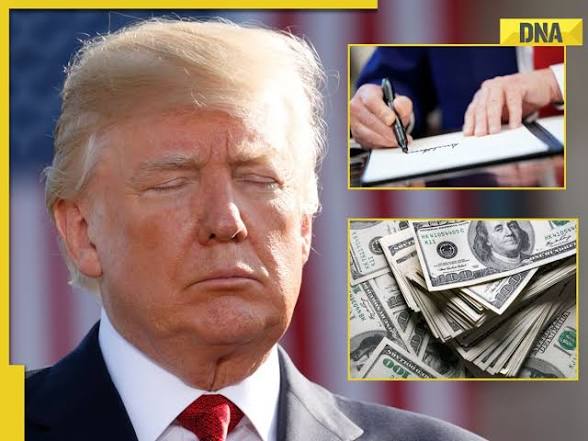
A major shift in U.S. currency history is making headlines as Treasury Secretary Scott Bessent highlights the arrival of new $100 bills carrying President Donald Trump’s signature. The move represents an unprecedented change in American paper money traditions because a sitting president’s signature is set to appear on circulating U.S. currency for the first time.
The announcement has generated strong reactions across the political spectrum. Supporters describe the move as a historic recognition connected to America’s 250th anniversary celebrations, while critics argue that placing a sitting president’s signature on money breaks with long-standing traditions surrounding U.S. currency design.
The new bills are expected to begin with the $100 denomination before additional denominations follow. According to reports, the redesigned notes will continue to include standard security features while introducing a significant symbolic change.
Trump-Signed $100 Bill: What Has Been Revealed?
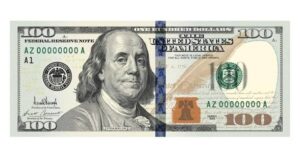
The biggest headline surrounding the new currency is the appearance of Donald Trump’s signature on U.S. banknotes.
Traditionally, American paper currency carries the signatures of Treasury officials rather than presidents. For decades, the Treasury Secretary and the U.S. Treasurer have appeared on Federal Reserve notes.
The new design changes that tradition by featuring Trump’s signature alongside Treasury Secretary Scott Bessent’s signature. Reports indicate that the first $100 bills will be produced before other denominations receive similar updates.
The change is not a replacement of Benjamin Franklin’s image on the $100 bill. Instead, it focuses on the official signatures printed on the note.
This distinction became important after online discussions created confusion about whether the design of the famous $100 bill itself would change.
Why Is Trump’s Signature Appearing On U.S. Currency?
The Treasury Department has connected the currency update with preparations surrounding the 250th anniversary of American independence.
Supporters of the move argue that major national anniversaries often involve symbolic changes, commemorative items, and celebrations of American history.
Treasury officials have presented the redesign as part of recognizing a major milestone in the country’s history.
However, the decision has also triggered debate because U.S. currency has historically avoided featuring living presidents in symbolic roles.
Many Americans view currency design as a reflection of national identity, making even small changes highly significant.
Scott Bessent’s Role In The Currency Announcement
Treasury Secretary Scott Bessent has become a central figure in the currency discussion because his signature will appear alongside Trump’s on the new bills.
The Treasury Department plays a major role in managing U.S. currency production, including decisions involving design updates, security improvements, and production schedules.
Bessent’s involvement has placed the Treasury Department at the center of a national conversation about tradition, symbolism, and presidential influence.
The announcement also highlights how decisions about currency can extend beyond economics and enter the political and cultural arena.
A Break From 165 Years Of Tradition
One of the most discussed aspects of the new currency design is the departure from a long-standing practice.
Reports indicate that the change ends a tradition dating back more than a century in which the signatures on U.S. currency came from Treasury officials rather than presidents.
While presidents have historically influenced economic policy, monetary decisions, and national financial strategies, their personal signatures have not appeared on circulating paper money.
This makes the Trump-signed currency a unique moment in American financial history.
What Will The New $100 Bill Look Like?
The upcoming $100 bill will reportedly maintain many familiar features that Americans recognize.
The note will continue to feature:
- Benjamin Franklin’s portrait
- Existing security measures
- Federal Reserve identification
- Traditional currency markings
The major difference will be the signature area.
The change is expected to make the bill attractive to collectors because of its historical significance.
Currency collectors often pay close attention to unusual first releases, printing changes, and historically important notes.
Collector Interest In Trump-Signed Currency
Whenever a major currency change occurs, collectors closely follow the first batches produced.
The first Trump-signed $100 bills could become popular among:
- Currency collectors
- Political memorabilia enthusiasts
- Historical document collectors
- Investors interested in rare notes
However, experts often warn that not every new bill automatically becomes valuable.
A note’s future value usually depends on factors such as:
- Condition
- Printing errors
- Serial numbers
- Limited availability
- Historical importance
The historical significance of the Trump signature may increase public interest, but long-term collector value will depend on market demand.
Political Reactions To Trump-Signed Currency
The announcement of a Trump-signed $100 bill has created immediate political debate across the United States.
Supporters of the move argue that the currency redesign represents a historic moment connected to the nation’s 250th anniversary. They say the appearance of Trump’s signature reflects the administration’s desire to mark a major national milestone.
Some conservative supporters have praised the decision as a symbol of American strength, economic confidence, and presidential leadership.
However, critics have questioned whether a sitting president’s signature should appear on everyday currency. They argue that American money has traditionally avoided personal political symbolism and should remain separate from individual administrations.
The debate highlights a larger question: Should national symbols evolve with changing times, or should certain traditions remain untouched?
Does Trump’s Signature Change The Value Of The Dollar?
One of the biggest questions surrounding the new currency is whether Trump’s signature will affect the value of the U.S. dollar.
The answer is no.
A signature change on a banknote does not directly influence:
- Exchange rates
- Inflation
- Interest rates
- Federal Reserve policy
- The purchasing power of the dollar
The strength of the U.S. dollar depends on broader economic factors, including:
- Economic growth
- Government debt levels
- Trade conditions
- Investor confidence
- Federal Reserve decisions
The new design is primarily symbolic and historical rather than an economic policy change.
Could Trump-Signed $100 Bills Become Valuable Collectibles?
Collectors are already watching the new currency closely.
Historically, special currency releases attract attention from collectors because first editions and unusual printing features can become desirable.
The Trump-signed $100 bill may attract interest because:
- It represents a major historical change
- It features a sitting president’s signature
- It marks the nation’s 250th anniversary period
- It breaks from a long-standing tradition
However, experts usually caution that millions of newly printed bills do not automatically become rare.
For a currency note to gain significant collector value, factors such as rarity, condition, serial number, and printing errors usually matter.
A common circulated bill may remain worth only its face value of $100.
How U.S. Currency Traditions Have Changed Over Time
American currency has changed many times throughout history.
The United States has redesigned banknotes to improve:
- Security technology
- Counterfeit protection
- Public recognition
- Historical representation
Modern bills include advanced features such as:
- Watermarks
- Security threads
- Color-changing ink
- Microprinting
The Trump signature change represents a different type of redesign because it focuses on symbolism rather than security improvements.
Why The $100 Bill Was Chosen First
The $100 bill is one of the most recognizable American banknotes worldwide.
Several reasons make the denomination especially significant:
Global Recognition
The $100 bill is heavily used internationally and is often viewed as a symbol of American financial influence.
Benjamin Franklin’s Legacy
The note features Benjamin Franklin, one of America’s Founding Fathers and a major historical figure.
Collector Interest
Because of its popularity, changes to the $100 bill often receive significant public attention.
The introduction of a Trump-signed version ensures that the change will likely receive worldwide attention.
Legal And Historical Questions Surrounding The Change
The decision has also raised questions about the relationship between presidential influence and currency traditions.
Historically, U.S. presidents have appeared on coins and commemorative items, but paper currency has followed different customs.
The Treasury Department has stated that Trump’s signature will appear on future U.S. paper currency as part of the anniversary-related redesign.
Supporters say the change is legally authorized because the president’s signature is being included as part of the currency design process.
Critics continue to debate whether such a move changes the traditional separation between political leadership and national financial symbols.
Impact On America’s 250th Anniversary Celebrations
The timing of the currency announcement is closely connected with America’s upcoming 250th anniversary.
Major anniversaries often lead to:
- Special coins
- Historical exhibitions
- National celebrations
- Commemorative releases
The Trump-signed currency is being presented as one of those historic commemorations.
For supporters, it represents a way to connect modern leadership with a major moment in American history.
For opponents, it raises concerns about political personalization of national symbols.
What Happens Next For Other U.S. Bills?
The $100 bill is expected to receive attention first, but reports indicate that other denominations could eventually include similar signature changes.
Possible future notes include:
- $1 bill
- $5 bill
- $10 bill
- $20 bill
- $50 bill
The timeline will depend on Treasury production schedules and currency replacement cycles.
Public Reaction: Historic Moment Or Political Statement?
The reaction to the Trump-signed currency largely depends on political perspective.
Supporters view it as:
- A historic first
- A celebration of American independence
- Recognition of presidential leadership
Critics view it as:
- A break from tradition
- An unnecessary political change
- A shift in how national symbols are used
Regardless of opinion, the announcement has created one of the most unusual currency discussions in modern American history.
Frequently Asked Questions (FAQs)
1. Will Trump’s signature appear on the new $100 bill?
Yes. The Treasury Department announced that Donald Trump’s signature will appear on future U.S. paper currency, beginning with the $100 denomination.
2. Is this the first time a president’s signature has appeared on U.S. currency?
According to Treasury announcements, this marks the first time a sitting U.S. president’s signature will appear on circulating paper currency.
3. Will the new $100 bill replace Benjamin Franklin?
No. The redesign focuses on signatures and does not mean Benjamin Franklin will be removed from the $100 bill.
4. Will Trump-signed $100 bills be worth more than $100?
Most bills will likely remain worth their face value. Collector value depends on rarity, condition, serial numbers, and market demand.
5. When will Trump-signed currency enter circulation?
The rollout timeline depends on Treasury production and distribution schedules. Reports indicate the $100 bill is the first denomination planned for the change.
6. Why is Scott Bessent involved in the currency announcement?
As Treasury Secretary, Scott Bessent oversees the department responsible for managing U.S. currency production and related decisions.
7. Does the new currency affect the U.S. economy?
No. The signature change is symbolic and does not directly change monetary policy, inflation, or dollar value.
Conclusion: A New Chapter In American Currency History
The arrival of a Trump-signed $100 bill marks a significant moment in U.S. currency history.
Whether viewed as a historic celebration or a controversial departure from tradition, the change has generated national attention because American money represents more than financial value. It reflects history, identity, and national symbolism.
Treasury Secretary Scott Bessent’s unveiling of the new currency places the administration at the center of a major conversation about tradition and change.
As these bills move toward circulation, collectors, historians, economists, and the public will continue watching how this unusual chapter in American currency history develops.
Trump-Signed Currency Sparks Debate Over American Traditions
The announcement of a Trump-signed $100 bill has opened a wider discussion about the role of tradition in American institutions.
For generations, U.S. currency has represented continuity rather than individual political leadership. The faces printed on American money typically honor historical figures from the past, while official signatures have belonged to Treasury officials responsible for the nation’s financial system.
The introduction of a president’s signature on circulating currency changes that familiar approach.
Supporters argue that the decision reflects a historic period in American history and connects the currency redesign to a major national celebration. They believe presidents are often associated with important moments of change, making the signature a meaningful symbol.
Opponents argue that currency should remain politically neutral and that placing a current president’s signature on money creates a connection between government spending and personal political identity.
The debate shows how even a small design change on a banknote can become part of a much larger national conversation.
How Currency Design Decisions Are Made In The United States
Many Americans may not realize how complex the process of changing U.S. currency can be.
Currency redesign involves several government agencies, including the Treasury Department and the Bureau of Engraving and Printing.
Officials consider multiple factors, including:
- Security improvements
- Printing technology
- Counterfeit prevention
- Historical significance
- Production costs
- Public recognition
Unlike changing a logo or commercial design, updating money requires careful planning because billions of people use U.S. currency around the world.
Any change must maintain trust in the financial system while ensuring that the public can easily recognize genuine banknotes.
Could Trump-Signed Bills Become Historic Memorabilia?
The possibility of collecting Trump-signed currency has generated excitement among collectors.
Historical currency often gains attention when it represents a major turning point. Examples include:
- First editions of redesigned bills
- Limited printing runs
- Notes with unusual serial numbers
- Currency connected to important historical events
Because the Trump-signed $100 bill represents a significant change in U.S. currency tradition, collectors are expected to closely monitor early releases.
However, experts generally advise caution. A new bill does not automatically become a valuable collectible.
Factors that determine future value include:
Condition
Bills kept in perfect condition usually attract more collector interest.
Rarity
A limited number of special notes can become valuable.
Errors
Printing mistakes can sometimes make currency highly desirable.
Historical Importance
Notes connected with major events often receive more attention.
The Global Attention Surrounding The New $100 Bill
The U.S. dollar is the world’s most influential currency, making changes to American banknotes a global event.
The $100 bill is particularly important because it is widely recognized internationally.
Many countries use the U.S. dollar for:
- International trade
- Foreign reserves
- Investment
- Financial transactions
Because of this global role, the appearance of a Trump signature on U.S. currency is likely to attract attention beyond American borders.
International observers often view U.S. currency changes as signals of political, economic, and cultural shifts.
Does The Trump-Signed Currency Represent A Change In Monetary Policy?
Despite the political attention, the new currency design does not represent a change in monetary policy.
The Federal Reserve remains responsible for decisions involving:
- Interest rates
- Money supply management
- Inflation control
- Banking regulation
The Treasury Department handles currency production and design, but these activities are separate from the Federal Reserve’s monetary decisions.
The appearance of a signature on a banknote does not change how the U.S. economy operates.
Why Currency Symbols Matter In American History
American money has always carried powerful historical messages.
The images and symbols appearing on currency often represent:
- National achievements
- Important leaders
- American values
- Historical milestones
The $100 bill featuring Benjamin Franklin connects modern Americans with one of the nation’s founders.
Adding a new signature creates another layer of historical meaning, making the bill part of an ongoing discussion about how America represents itself.
What Americans Should Know Before Buying Trump-Signed Bills
As interest grows, some sellers may market new Trump-signed bills as rare collectibles.
Consumers should remember:
- Newly released currency is usually available at face value.
- A high price does not guarantee future value.
- Buyers should verify authenticity before purchasing.
- Professional grading may be important for valuable notes.
Collectors should research carefully and avoid making decisions based only on political excitement.
The Future Of U.S. Currency Under New Designs
The Trump-signed $100 bill may influence future discussions about currency design.
Future redesigns could focus on:
- Improved security technology
- Accessibility features
- Modern printing methods
- Historical representation
As technology changes, physical currency continues to evolve.
Even in an increasingly digital economy, cash remains an important part of everyday life for millions of Americans.
Final Analysis: Why The Trump-Signed $100 Bill Matters
The introduction of a Trump-signed $100 bill represents more than a simple change in printing.
It combines:
- History
- Politics
- National identity
- Currency tradition
- Public debate
For supporters, it is a historic symbol connected to a major American anniversary.
For critics, it represents an unusual departure from traditional currency practices.
Regardless of political views, the change has created a rare moment where a simple banknote has become the center of national attention.
As the new currency enters circulation, Americans and collectors worldwide will watch closely to see how this chapter in U.S. financial history develops.
Additional SEO FAQ Keywords
Is the Trump $100 bill real?
The Treasury Department has announced plans for currency featuring Trump’s signature, beginning with the $100 denomination.
Where can people get Trump-signed $100 bills?
Once released, the notes would enter normal currency circulation through banks and financial institutions.
Will old $100 bills become valuable?
Most older $100 bills will continue to be worth their face value unless they have rare features or collector demand.
Can a president’s signature appear on U.S. money?
Currency design decisions are handled through government authorities, and the Treasury Department determines official banknote features.
Will other U.S. bills include Trump’s signature?
Future changes to other denominations would depend on Treasury production plans and redesign schedules.
How useful was this post?
Click on a star to rate it!
Average rating 0 / 5. Vote count: 0
No votes so far! Be the first to rate this post.
About the Author

usa5911.com
Administrator
Hi, I’m Gurdeep Singh, a professional content writer from India with over 3 years of experience in the field. I specialize in covering U.S. politics, delivering timely and engaging content tailored specifically for an American audience. Along with my dedicated team, we track and report on all the latest political trends, news, and in-depth analysis shaping the United States today. Our goal is to provide clear, factual, and compelling content that keeps readers informed and engaged with the ever-changing political landscape.