Democratic Party Under Fire: Fetterman Blasts SCOTUS Defiance And Socialist Candidates
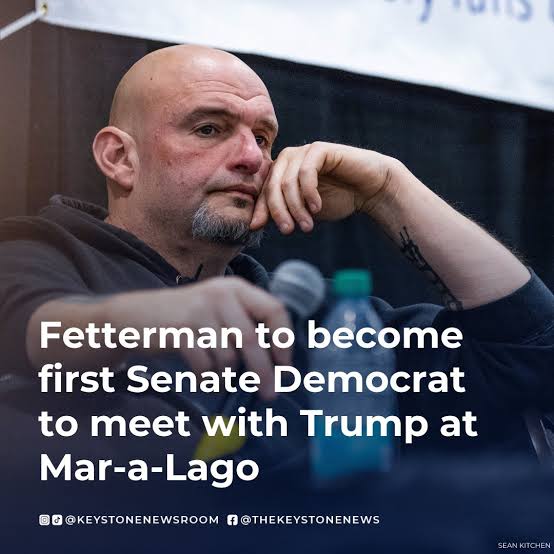
The Democratic Party is once again facing internal divisions after Senator John Fetterman openly criticized calls from some progressives to ignore or defy Supreme Court decisions. At the same time, the Pennsylvania Democrat expressed concern about the growing influence of self-described socialist candidates within the party, arguing that such positions could make it more difficult for Democrats to appeal to a broader group of voters.
Fetterman’s remarks have attracted widespread attention because they come at a time when Democrats continue debating their political direction following several contentious election cycles. While many progressives argue that stronger action is necessary to counter conservative policies, moderates believe the party should focus on practical solutions and protecting democratic institutions.
The debate highlights an important question: Should Democrats move further left, or should they embrace a more centrist approach to win future elections? Fetterman’s comments have placed that discussion back in the national spotlight.
In this article, we examine why Fetterman criticized calls to defy Supreme Court rulings, what he said about socialist candidates, how Democrats have reacted, and what these developments could mean for the party’s future.
Why Fetterman’s Comments Matter

John Fetterman has often been viewed as an unconventional Democrat. Although he supports several progressive policies, he has repeatedly demonstrated a willingness to challenge members of his own party when he believes they are making strategic or constitutional mistakes.
Because of this independent approach, his latest comments have drawn attention from political observers across the ideological spectrum.
Unlike many politicians who avoid criticizing their own party publicly, Fetterman has increasingly emphasized the importance of presenting realistic policies instead of ideological messaging. His latest remarks reinforce that image.
Political analysts note that moderate Democratic voices have become increasingly vocal as the party debates how best to respond to Republican gains in several key states.
Fetterman Rejects Calls To Defy Supreme Court Decisions
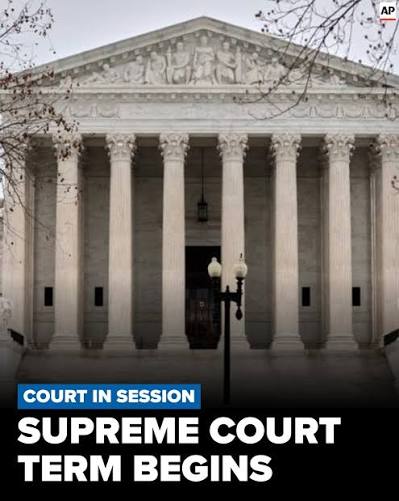
One of the strongest points made by Fetterman involved suggestions from some progressive activists that elected officials should ignore certain Supreme Court rulings they strongly disagree with.
According to Fetterman, refusing to respect Supreme Court decisions could undermine confidence in America’s constitutional system.
He argued that disagreements with court rulings should be addressed through lawful constitutional processes rather than through outright defiance.
His position reflects a broader concern shared by many constitutional scholars who argue that respecting judicial decisions remains an essential part of maintaining the balance between the executive, legislative, and judicial branches of government.
Although lawmakers frequently criticize Supreme Court decisions, openly encouraging officials to ignore those rulings raises significant constitutional questions.
Fetterman stressed that Democrats should remain committed to defending democratic institutions even when they disagree with specific judicial outcomes.
The Constitutional Debate
The controversy surrounding Supreme Court authority is not new.
Throughout American history, major Supreme Court rulings have generated intense political disagreement. Cases involving civil rights, abortion, immigration, gun rights, and executive authority have often divided lawmakers and voters alike.
However, constitutional experts generally distinguish between criticizing a ruling and refusing to recognize its legal authority.
Fetterman’s comments appear rooted in that distinction.
He suggested that political leaders should advocate legislative reforms, constitutional amendments, or future judicial appointments rather than encouraging resistance to judicial authority itself.
Supporters of this position argue that maintaining institutional stability ultimately benefits the country regardless of which party currently holds power.
Concerns Over Socialist Candidates
In addition to discussing the Supreme Court, Fetterman also addressed another growing debate within Democratic politics: the increasing visibility of democratic socialist candidates.
While acknowledging that every candidate has the right to compete, Fetterman questioned whether openly socialist messaging helps Democrats win competitive statewide and national elections.
He argued that Republicans frequently use socialism as a campaign issue against Democratic candidates.
According to Fetterman, embracing that label unnecessarily gives political opponents an opportunity to shift campaign discussions away from issues like healthcare, jobs, infrastructure, and economic growth.
His comments have renewed debate over how Democrats should define their political identity heading into future election cycles.
Progressive Democrats Respond
Progressive lawmakers and activists have offered a different perspective.
Many argue that democratic socialism focuses on expanding healthcare access, improving workers’ rights, strengthening labor unions, lowering education costs, and addressing income inequality.
Supporters believe these proposals remain popular among many voters despite Republican criticism.
Progressives also argue that avoiding certain political labels does not necessarily change Republican campaign messaging.
Instead, they believe Democrats should confidently defend policies they consider beneficial to working families.
This disagreement illustrates the broader ideological divide that continues shaping Democratic politics.
Moderates Seek Broader Electoral Appeal
Moderate Democrats generally share many of Fetterman’s concerns.
They argue that elections are often decided by independent voters living in competitive districts and swing states rather than by highly ideological voters.
From this perspective, emphasizing pragmatic governance may help Democrats attract suburban voters, independents, and moderate Republicans dissatisfied with partisan politics.
Political strategists note that statewide elections often require building broad coalitions that include voters with varying ideological preferences.
For moderates, maintaining a centrist image may improve Democratic competitiveness in closely contested races.
Democratic Party Faces Internal Identity Debate
Fetterman’s comments arrive during an ongoing conversation about the Democratic Party’s long-term identity.
Several major questions continue shaping that discussion:
- Should Democrats prioritize progressive reforms or moderate policies?
- How should the party respond to controversial Supreme Court rulings?
- What messaging resonates most effectively with swing-state voters?
- Can Democrats unite behind a shared electoral strategy despite ideological differences?
- How should the party balance activist demands with broader electoral considerations?
These questions have become increasingly important as Democrats prepare for upcoming national elections.
How useful was this post?
Click on a star to rate it!
Average rating 0 / 5. Vote count: 0
No votes so far! Be the first to rate this post.
About the Author

usa5911.com
Administrator
Hi, I’m Gurdeep Singh, a professional content writer from India with over 3 years of experience in the field. I specialize in covering U.S. politics, delivering timely and engaging content tailored specifically for an American audience. Along with my dedicated team, we track and report on all the latest political trends, news, and in-depth analysis shaping the United States today. Our goal is to provide clear, factual, and compelling content that keeps readers informed and engaged with the ever-changing political landscape.