Sports Firestorm: Caitlin Clark Controversy Grows As Player Safety Concerns Take Center Stage
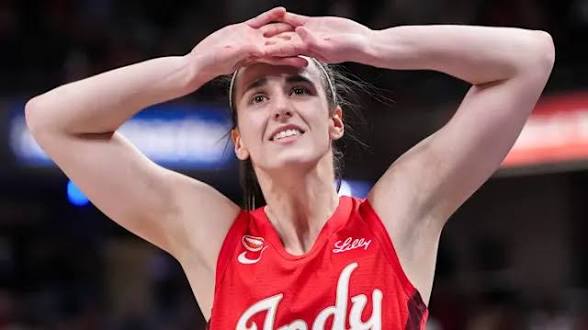
The Caitlin Clark controversy has once again become one of the biggest stories in professional basketball. What began as another intensely competitive WNBA matchup has evolved into a league-wide discussion about player safety, officiating standards, physical play, and how star athletes are protected.
Following a highly physical game involving Clark and the Indiana Fever, criticism quickly spread across social media, television broadcasts, and sports talk shows. Fans, analysts, former players, and coaches questioned whether league officials are doing enough to protect players while still allowing competitive basketball.
The debate intensified after the WNBA reviewed a controversial play involving Clark and later upgraded the contact to a Flagrant 2 foul, resulting in a one-game suspension for the opposing player. The incident has renewed conversations about consistency in officiating and the balance between physical defense and dangerous play.
As the league continues to experience record-breaking popularity, the Caitlin Clark controversy may prove to be an important turning point for player safety across women’s basketball.
Why the Caitlin Clark Controversy Is Making Headlines

Basketball has always been a physical sport. Hard fouls, aggressive defense, and emotional moments are common at every level of competition.
However, many observers believe recent incidents involving Clark have crossed the line from competitive basketball into unnecessary physicality.
The latest controversy erupted after Clark absorbed significant contact during a game that many believed should have resulted in immediate penalties. Officials initially allowed play to continue, but league officials later reviewed the sequence and upgraded the infraction while issuing a suspension.
That decision immediately sparked debate across the sports world.
Some praised the WNBA for correcting what they viewed as a dangerous missed call.
Others questioned why stronger action was not taken during the game itself.
Growing Questions About Player Safety
The discussion has expanded beyond one single play.
Instead, many fans now argue that the league needs to establish clearer standards regarding physical contact involving every player—not just its biggest stars.
Several important questions have emerged:
- Should dangerous contact receive automatic video review?
- Are referees calling games consistently?
- Does the current rulebook provide enough protection?
- Can physical defense remain part of basketball without increasing injury risk?
These questions have become central to the ongoing Caitlin Clark controversy.
Coaches Voice Their Concerns
Indiana Fever coaches did not hide their frustration following the game.
They argued that certain plays deserved whistles immediately instead of requiring post-game review.
Their comments reflected a broader concern shared by many teams throughout the league—that officials must consistently recognize dangerous contact before injuries occur rather than after disciplinary reviews are completed.
League officials have emphasized that player safety remains a top priority, but critics believe consistency remains the biggest challenge.
The WNBA’s Rapid Growth Raises the Stakes
The controversy comes during one of the most significant periods in WNBA history.
Television ratings continue to rise.
Attendance has increased dramatically.
Merchandise sales have reached new highs.
Media attention surrounding star players like Caitlin Clark has introduced millions of new fans to the league, increasing scrutiny of every major decision both on and off the court.
With greater visibility comes greater responsibility.
Every officiating decision is now analyzed in real time by fans, commentators, former players, and social media users around the world.
Why Caitlin Clark Draws So Much Attention
Clark entered professional basketball with extraordinary expectations after an historic college career.
Her deep shooting range, passing ability, competitive style, and popularity helped transform interest in women’s basketball long before she entered the WNBA.
Because of that popularity, every hard foul involving Clark attracts enormous public attention.
Some observers argue that increased attention creates the impression she receives unusually rough treatment.
Others believe the physical defense reflects what happens when opponents attempt to slow down elite scorers.
Regardless of perspective, there is widespread agreement that dangerous plays should be addressed consistently under league rules.
The latest chapter in the Caitlin Clark controversy unfolded during a heated matchup between the Indiana Fever and the Phoenix Mercury. Throughout the game, Clark was involved in several physical exchanges that immediately drew attention from broadcasters and fans.
One of the most discussed moments came during a loose-ball play when Phoenix Mercury star Alyssa Thomas made forceful contact with Clark’s throat. Officials did not call a foul during the game, allowing play to continue. After reviewing the incident, however, the WNBA determined the contact was reckless and upgraded it to a Flagrant Foul 2, suspending Thomas for one game.
The league’s postgame action reignited debate over whether officials should have intervened immediately rather than relying on disciplinary reviews after the game.
WNBA Takes Disciplinary Action
Following its investigation, the WNBA announced that Alyssa Thomas would receive:
- A retroactive Flagrant Foul 2
- A one-game suspension
- A financial fine under league disciplinary rules
League officials stated that the play involved reckless, non-basketball contact that warranted stronger punishment than what occurred during live action.
Many analysts viewed the suspension as evidence that the league recognized the seriousness of the incident. However, others argued that player safety should not depend on postgame reviews.
Indiana Fever Express Frustration
Indiana Fever head coach Stephanie White was among the strongest critics of the officiating.
After the game, White questioned why obvious physical contact against Clark repeatedly went uncalled, describing the missed calls as unacceptable for a league that emphasizes player safety. She stressed that dangerous plays should be identified in real time instead of corrected after the fact.
Her comments quickly spread across sports media and fueled broader discussions about officiating consistency throughout the WNBA.
Fans React Across Social Media
The Caitlin Clark controversy quickly became one of the most talked-about topics in sports.
Supporters of Clark argued that:
- Officials failed to protect one of the league’s biggest stars.
- Dangerous contact should result in immediate penalties.
- Consistent officiating is essential for player safety.
Others cautioned against creating different standards for superstar players, arguing that physical basketball has always been part of the professional game and that all players deserve equal treatment under the rules.
This divide fueled millions of views, comments, and debates across social media platforms and sports forums.
Analysts Offer Different Perspectives
Sports analysts have largely agreed that player safety must remain the top priority, but opinions differ on how to achieve that goal.
Some believe the WNBA should expand replay reviews for dangerous contact and increase penalties for reckless plays. Others argue that basketball is naturally physical and that excessive intervention could disrupt the flow of games.
Despite these differences, there is broad agreement that consistent officiating is crucial to maintaining competitive fairness and protecting athletes.
Did the Controversy Affect Clark?
The physical nature of the game raised additional concerns after Clark later exited with a back injury. While it has not been confirmed that the injury resulted directly from the controversial contact, the timing intensified scrutiny over how physical play is managed in the league. The Indiana Fever later ruled Clark out of the following game while she recovered.
Media Coverage Expands Beyond Basketball
Major sports networks, newspapers, and online publications covered the incident extensively, with many stories focusing not only on Clark but also on broader questions about:
- Officiating standards
- Player safety policies
- League discipline
- The challenges of managing increased attention as the WNBA grows
Because Clark is among the league’s most recognizable players, every controversial moment attracts significant public interest, amplifying discussions that extend well beyond a single game.
How useful was this post?
Click on a star to rate it!
Average rating 0 / 5. Vote count: 0
No votes so far! Be the first to rate this post.
About the Author

usa5911.com
Administrator
Hi, I’m Gurdeep Singh, a professional content writer from India with over 3 years of experience in the field. I specialize in covering U.S. politics, delivering timely and engaging content tailored specifically for an American audience. Along with my dedicated team, we track and report on all the latest political trends, news, and in-depth analysis shaping the United States today. Our goal is to provide clear, factual, and compelling content that keeps readers informed and engaged with the ever-changing political landscape.