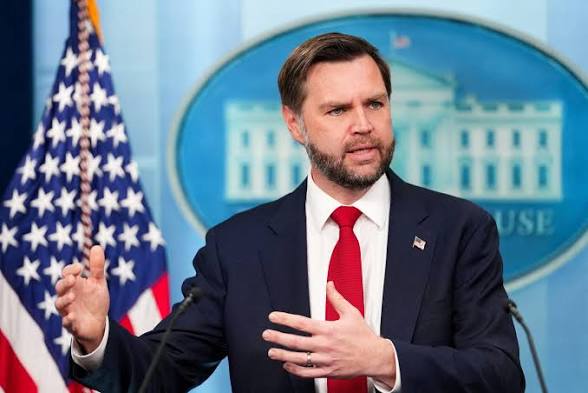
The latest round of U.S.-Iran negotiations has produced what American officials are calling the most significant diplomatic breakthrough in months. Following high-level discussions in Switzerland, U.S. Vice President JD Vance announced that Iran has agreed to a major concession by permitting international nuclear inspectors to return to the country, an important confidence-building measure that could pave the way for a broader agreement
While negotiators caution that many difficult issues remain unresolved, the announcement has sparked cautious optimism among diplomats, financial markets, and America’s international allies. The development represents a meaningful shift after months of heightened military tensions and diplomatic uncertainty across the Middle East.
The talks, hosted in Switzerland and facilitated by regional mediators, focused on reducing tensions, restoring transparency to Iran’s nuclear program, and creating conditions for longer-term negotiations. Although no comprehensive peace agreement has been finalized, officials on both sides described the discussions as constructive and product ive.restoring oversight that had been suspended following previous regional conflicts.
Continued Technical Negotiations
Experts from both sides will continue detailed discussions over the coming weeks regarding nuclear monitoring procedures, sanctions implementation, and verification mechanisms.
Financial Oversight Measures
Negotiators also discussed mechanisms involving frozen Iranian financial assets and broader economic arrangements that could accompany future agreements if negotiations continue successfully.
Regional Security Discussions
Officials additionally examined measures designed to reduce tensions in the Strait of Hormuz and support ongoing ceasefire efforts throughout the region.
Switzerland Once Again Hosts Critical Diplomacy
Switzerland has frequently served as neutral ground for sensitive diplomatic negotiations.
The latest talks brought together senior officials from:
- United States
- Iran
- Qatar
- Pakistan
Regional mediators played an important role in maintaining dialogue throughout lengthy negotiations, particularly during moments when discussions became increasingly difficult.
According to officials, there were periods when negotiations appeared close to collapsing. However, diplomatic efforts ultimately kept both delegations engaged long enough to secure preliminary understandings on several key issues.
Markets React Positively
Financial markets responded quickly to reports of diplomatic progress.
Oil prices declined as investors anticipated reduced risks surrounding the Strait of Hormuz, one of the world’s most strategically important shipping routes for energy exports. Meanwhile, broader global markets reflected cautious optimism as geopolitical uncertainty appeared to ease.
Investors generally view diplomatic progress as positive because reduced regional tensions help stabilize:
- Global energy supplies
- International shipping
- Commodity markets
- Investor confidence
However, analysts caution that markets remain highly sensitive to developments and that negotiations could still encounter significant obstacles.
Sanctions Relief Begins to Enter the Conversation
One of the most closely watched aspects of the negotiations involves economic sanctions.
Following the diplomatic breakthrough, the United States announced temporary measures allowing limited Iranian oil transactions under specific conditions tied to ongoing negotiations and compliance. Officials described these actions as part of broader efforts to encourage continued diplomatic engagement rather than a permanent lifting of sanctions.
The sanctions measures remain conditional and temporary, with future decisions expected to depend on Iran’s adherence to inspection commitments and additional negotiated obligations.
Challenges Still Lie Ahead
Despite encouraging developments, negotiators acknowledge that substantial work remains.
Several difficult issues continue to require agreement, including:
- Long-term nuclear verification procedures
- Future sanctions policy
- Regional security guarantees
- Implementation timelines
- Compliance monitoring
- Dispute resolution mechanisms
Diplomats stress that today’s announcement represents an important milestone rather than the conclusion of negotiations.
About the Author