MAJOR OBSTACLE: Iran Talks Face Critical Test As Sanctions Relief Battle Intensifies
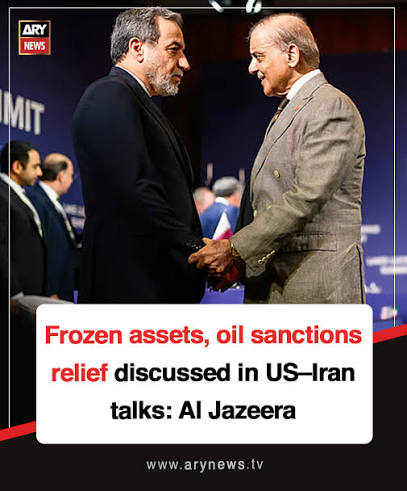
Diplomatic efforts between the United States and Iran have entered one of their most delicate phases in years. After weeks of cautious optimism, negotiators are confronting a familiar challenge that has derailed previous attempts at reconciliation: sanctions relief.
Although both sides have signalĺed a willingness to continue negotiations, the debate over how and when economic sanctions should be lifted has become the defining issue. The disagreement threatens to overshadow recent diplomatic progress and raises new questions about whether the talks can produce a lasting agreement.
Recent discussions in Switzerland have produced signs of movement, including commitments to continue technical negotiations and steps aimed at rebuilding trust. However, sanctions remain the central sticking point, with both governments attempting to protect their strategic interests while satisfying domestic political audiences.
Why Sanctions Relief Has Become the Biggest Obstacle
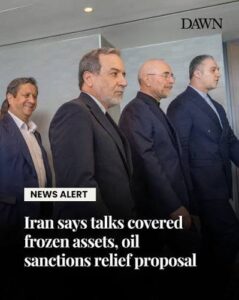
Economic sanctions have shaped Iran’s economy for years, restricting oil exports, banking transactions, foreign investment, and access to international markets.
For Tehran, meaningful sanctions relief is not simply a diplomatic victory—it is viewed as an essential requirement for economic recovery.
Iranian officials continue to argue that any comprehensive agreement must include:
- Removal of oil export restrictions
- Access to frozen financial assets
- Restoration of international banking connections
- Easier international trade
- Long-term guarantees against future sanctions
Washington, however, prefers a phased approach.
American negotiators reportedly want sanctions relief tied directly to measurable Iranian commitments, including nuclear inspections and broader security arrangements. Rather than lifting restrictions immediately, U.S. officials favor gradual implementation based on verified compliance.
A Temporary Opening Does Not Resolve the Dispute
One of the most significant recent developments has been the U.S. decision to issue a temporary license allowing certain Iranian oil transactions as negotiations continue.
The measure represents one of the largest sanctions easements in years, but officials have emphasized that it is temporary rather than permanent.
The authorization is intended to:
- Encourage continued negotiations
- Reduce pressure on global energy markets
- Build confidence between both sides
- Support broader peace discussions
However, temporary waivers differ significantly from permanent sanctions removal.
Iranian negotiators continue pressing for durable economic guarantees instead of limited short-term permissions that could be withdrawn later.
Trust Remains in Short Supply
Diplomatic negotiations rarely depend solely on policy differences.
History also matters.
Relations between Washington and Tehran have been marked by decades of mistrust, failed agreements, renewed sanctions, and recurring regional tensions.
Previous negotiations have often collapsed after political leadership changed or regional conflicts intensified.
Because of this history, Iranian officials are seeking stronger guarantees before accepting major commitments.
American policymakers, meanwhile, remain cautious about offering extensive sanctions relief before verification measures are fully implemented.
This mutual skepticism continues to slow progress despite public statements expressing optimism.
Nuclear Oversight Adds Another Layer
Another major element of the negotiations involves international monitoring of Iran’s nuclear activities.
According to recent reports, Iran has indicated a willingness to permit renewed inspections by the International Atomic Energy Agency (IAEA), representing an important diplomatic breakthrough.
Still, implementation details remain unresolved.
Negotiators continue discussing:
- Inspection timelines
- Verification procedures
- Technical cooperation
- Compliance monitoring
- Future review mechanisms
Each of these issues directly affects the pace at which sanctions could be relaxed.
Regional Security Complicates the Negotiations
The talks extend beyond economics and nuclear policy.
Regional security concerns continue influencing every stage of the discussions.
Issues connected to the Strait of Hormuz, Lebanon, and broader Middle East stability remain intertwined with sanctions negotiations.
Some mediators have reportedly worked to establish communication mechanisms designed to reduce military misunderstandings while diplomacy continues.
These parallel security discussions make the negotiations considerably more complex than a traditional sanctions agreement.
Global Markets Are Watching Closely
Energy markets have reacted quickly to every diplomatic development.
Oil prices have fluctuated as investors evaluate whether negotiations could eventually restore larger volumes of Iranian crude exports to international markets.
Should sanctions ease significantly:
- Global oil supplies could increase.
- Shipping confidence could improve.
- Energy prices could stabilize.
- Inflationary pressures might ease in some regions.
Conversely, if negotiations collapse, renewed geopolitical uncertainty could place upward pressure on energy prices once again.
Political Pressure on Both Governments
Domestic politics also shape the negotiations.
In Washington, policymakers face competing priorities:
- Supporting diplomacy
- Maintaining leverage
- Addressing congressional concerns
- Reassuring regional allies
Meanwhile, Iranian leaders must demonstrate that negotiations deliver meaningful economic benefits without appearing to concede too much during talks.
These competing political pressures reduce flexibility on both sides, making compromise increasingly difficult.
How useful was this post?
Click on a star to rate it!
Average rating 0 / 5. Vote count: 0
No votes so far! Be the first to rate this post.
About the Author

usa5911.com
Administrator
Hi, I’m Gurdeep Singh, a professional content writer from India with over 3 years of experience in the field. I specialize in covering U.S. politics, delivering timely and engaging content tailored specifically for an American audience. Along with my dedicated team, we track and report on all the latest political trends, news, and in-depth analysis shaping the United States today. Our goal is to provide clear, factual, and compelling content that keeps readers informed and engaged with the ever-changing political landscape.