The debate surrounding U.S. policy toward Iran has intensified following recent military developments in the Middle East. Among the most prominent voices weighing in is national security expert James Carafano, who argues that former President Donald Trump succeeded in significantly weakening Iran’s military capabilities through decisive military action and a strategy of sustained pressure.
Carafano contends that the combination of targeted military strikes, intelligence-driven operations, and diplomatic pressure dramatically reduced Iran’s ability to threaten regional stability. While analysts continue to debate the long-term consequences, supporters of this assessment believe the operations dealt one of the most severe blows to Iran’s military infrastructure in decades.
The discussion comes at a time when tensions between the United States, Israel, and Iran remain high. Questions about deterrence, regional security, and the future of Iran’s military capabilities have become central topics for policymakers around the world.
This article examines Carafano’s assessment, the military actions that prompted his remarks, the strategic consequences for Iran, and the broader implications for U.S. foreign policy.
Who Is James Carafano?
James Carafano is a national security expert and senior fellow at the Heritage Foundation. Over the years, he has frequently commented on U.S. military strategy, defense policy, counterterrorism, and international security.
Following recent U.S. military operations targeting Iranian military assets, Carafano argued that the strikes fundamentally changed the military balance in the region.
According to his assessment, the objective was never regime change. Instead, it was to reduce Iran’s ability to conduct military operations directly or through regional proxy groups.
Why Carafano Believes Iran’s Military Was Crippled
Carafano’s argument rests on several key points.
1. Destruction of Critical Military Infrastructure
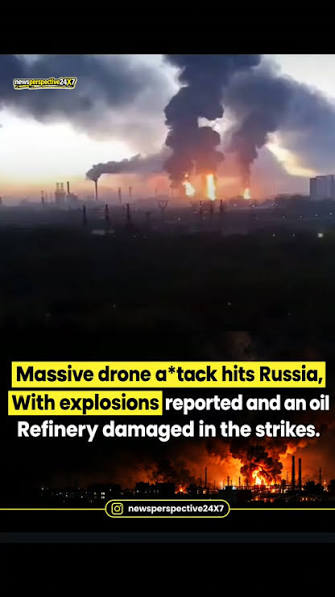
Recent operations reportedly targeted facilities associated with Iran’s missile programs, command centers, logistics networks, and military installations.
Military analysts note that damaging these facilities can significantly reduce operational readiness by disrupting communication, transportation, and weapons production.
Rather than focusing solely on symbolic targets, the strikes reportedly concentrated on assets considered essential for sustaining long-term military operations.
2. Loss of Operational Flexibility
A modern military depends on communication, intelligence, logistics, and command coordination.
If those systems are disrupted, commanders face greater difficulty coordinating missile launches, troop movements, and defensive operations.
Carafano argues this reduction in operational flexibility weakens Iran’s overall military posture far beyond the immediate physical damage caused by the strikes.
3. Reduced Regional Influence
Iran has long projected power through allied armed groups across the Middle East.
Military pressure combined with diplomatic and economic measures may reduce Tehran’s ability to provide funding, weapons, intelligence, and logistical support to these partners.
Supporters of Carafano’s view believe weakening these networks is just as important as targeting conventional military forces.
Trump’s Strategy Toward Iran
Donald Trump’s approach to Iran differed significantly from previous administrations.
Rather than emphasizing renewed diplomatic engagement, his strategy centered on what became known as “maximum pressure.”
The policy included:
- Extensive economic sanctions
- Restrictions on Iranian oil exports
- Financial sanctions targeting military organizations
- Increased military deterrence
- Intelligence cooperation with regional allies
- Expanded defensive support for partners in the Middle East
Supporters argued these measures limited Iran’s financial resources while increasing the cost of military escalation.
Critics, however, warned that sustained pressure could increase regional instability and raise the risk of direct conflict.
Military Operations That Changed the Landscape
According to military observers, several recent operations targeted assets considered essential to Iran’s defense establishment.
Reported targets included:
Missile Production Facilities
Missile manufacturing remains one of Iran’s most significant strategic capabilities.
Any disruption to production facilities can delay replacement of existing stockpiles while slowing future military planning.
Command-and-Control Centers
Military effectiveness depends on communication between commanders and operational units.
Targeting command centers can complicate battlefield decision-making and reduce the military’s ability to coordinate complex operations.
Air Defense Systems
Air defense networks protect critical infrastructure from incoming aircraft and missiles.
Damaging these systems may leave additional military facilities more vulnerable to future attacks.
Military Logistics
Fuel depots, transportation routes, storage facilities, and supply networks are often considered high-value military targets.
Without reliable logistics, even well-equipped armed forces struggle to sustain prolonged operations.
Strategic Impact on Iran
Military experts often distinguish between tactical damage and strategic damage.
Tactical damage refers to the destruction of specific equipment or facilities.
Strategic damage affects an adversary’s long-term ability to conduct military operations.
Carafano argues the recent operations achieved strategic effects because they targeted the systems supporting Iran’s military rather than isolated weapons.
This distinction is important because rebuilding complex military infrastructure often requires years of investment, technical expertise, and uninterrupted industrial production.
Effects on Iran’s Missile Capabilities
Iran has invested heavily in ballistic missile development over the past two decades.
Its missile program serves multiple purposes:
- National defense
- Regional deterrence
- Strategic influence
- Support for allied armed groups
If production facilities, storage sites, or launch infrastructure suffer extensive damage, rebuilding those capabilities becomes a significant challenge.
Military analysts caution, however, that Iran retains missile expertise and existing stockpiles, meaning the overall impact depends on the extent of the damage and the speed of reconstruction.
Regional Security Implications
The weakening of Iran’s military capabilities could have important consequences across the Middle East.
Potential outcomes include:
Increased Deterrence
Supporters argue decisive military action may discourage future attacks against U.S. forces or regional allies.
A demonstrated willingness to use force can influence strategic calculations by potential adversaries.
Reassurance for Allies
Countries concerned about Iran’s military activities may view the operations as evidence of continued U.S. security commitments.
This reassurance could strengthen defense cooperation among regional partners.
Changing Military Balance
Reducing Iran’s military capacity could temporarily shift the regional balance of power.
However, analysts caution that long-term stability depends on diplomatic efforts alongside military deterrence.
Differing Views Among Analysts
Not all experts agree with Carafano’s assessment.
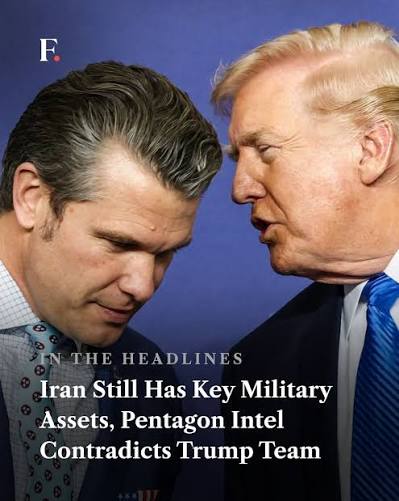
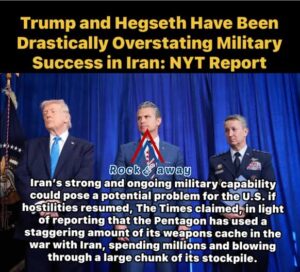
Some defense analysts argue that while the operations caused significant damage, Iran retains substantial military capabilities.
Points frequently raised include:
- Existing missile inventories remain available.
- Domestic weapons production could eventually recover.
- Proxy groups may continue operating independently.
- Cyber capabilities remain difficult to eliminate through conventional military action.
Others argue that military infrastructure can often be rebuilt over time, particularly if reconstruction receives sustained government investment.
As a result, the long-term strategic impact remains the subject of ongoing analysis.
About the Author