All Eyes On Switzerland: Vance Reveals Key Developments In Critical US-Iran Negotiations
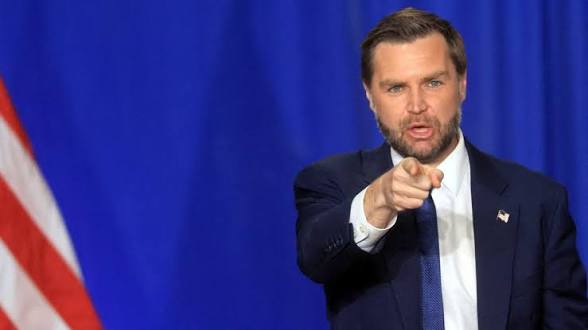
Switzerland has once again become the center of high-stakes diplomacy as senior officials from the United States and Iran prepare for another crucial round of negotiations. With regional stability hanging in the balance, Vice President JD Vance has revealed new developments that suggest both cautious optimism and significant challenges remain ahead.
The upcoming discussions follow weeks of intense diplomatic activity aimed at preserving a fragile agreement while preventing further escalation across the Middle East. Although officials continue to emphasize diplomacy, recent events demonstrate just how delicate the situation has become.
Switzerland Returns as a Diplomatic Hub

For decades, Switzerland has served as neutral ground for sensitive international negotiations. Its long-standing tradition of diplomacy makes it an ideal venue for discussions involving nations with deeply strained relations.
The current negotiations are expected to focus on several major issues, including:
Implementation of previous commitments
Regional security
Maritime navigation
Nuclear-related technical matters
Confidence-building measures
Officials from both countries believe that resolving technical disagreements could pave the way for broader political discussions in the coming months.
JD Vance Outlines Recent Developments
Speaking ahead of the planned talks, Vice President JD Vance indicated that American negotiators have already arrived in Switzerland to prepare for technical discussions.
According to Vance, the United States remains committed to diplomacy while also insisting that previous commitments must be respected by all parties.
His remarks come after adjustments to his own travel schedule due to logistical considerations surrounding the negotiations. Despite postponing his personal arrival earlier in the week, American diplomatic teams continued preparations on the ground.
Why These Talks Matter
The negotiations represent far more than another diplomatic meeting.
They could determine:
Whether recent ceasefire arrangements remain intact.
How regional security evolves.
The future of nuclear negotiations.
International energy market stability.
Shipping security through the Persian Gulf.
Financial markets and international observers continue monitoring developments closely because even minor changes in the negotiations can influence global oil prices and broader geopolitical stability.
The Strait of Hormuz Remains a Major Concern
One of the biggest issues overshadowing the negotiations is the situation surrounding the Strait of Hormuz.
Iran recently announced actions affecting maritime traffic following renewed violence in Lebanon, although U.S. military officials reported that commercial shipping continued moving through the waterway. The disagreement illustrates the fragile environment in which negotiators are operating.
The Strait of Hormuz remains one of the world’s most strategically important maritime routes, carrying a significant share of global oil exports.
Any disruption immediately raises concerns among:
Energy markets
Shipping companies
Governments
Investors
Because of its global importance, negotiators are expected to devote considerable attention to ensuring freedom of navigation.
Technical Negotiations Come First
Officials familiar with the discussions indicate that technical experts will initially address implementation details before broader political issues are considered.
Among the expected discussion topics are:
Verification Measures
Negotiators hope to establish reliable mechanisms that allow both sides to verify compliance with previous commitments.
Regional Security
The conflict involving Lebanon continues to complicate diplomatic efforts, making regional security one of the highest priorities during the talks.
Nuclear Issues
Although broader political disagreements remain, nuclear-related technical discussions continue to play an essential role in the negotiations.
Experts believe that incremental progress may help rebuild trust over time.
Challenges Still Facing Diplomacy
Despite renewed engagement, significant obstacles remain.
Among the biggest challenges are:
Limited Trust
Relations between Washington and Tehran have been marked by decades of political tensions.
Rebuilding confidence will require both sides to demonstrate consistent implementation of commitments.
Regional Conflicts
Ongoing violence involving Hezbollah and Israel continues to influence negotiations.
Iran has repeatedly linked aspects of the diplomatic process to developments in Lebanon, adding another layer of complexity.
Domestic Political Pressure
Leaders in both countries face internal political pressures that may limit their negotiating flexibility.
Every diplomatic concession is closely scrutinized by lawmakers, political opponents, and regional allies.
International Community Watches Closely
Governments across Europe, Asia, and the Middle East continue monitoring the negotiations.
Many countries hope that successful talks could:
Reduce military tensions.
Improve regional stability.
Protect international trade.
Stabilize energy markets.
Encourage additional diplomatic engagement.
International organizations have also emphasized the importance of maintaining dialogue even when disagreements remain substantial.
What Success Could Look Like
Diplomatic experts caution against expecting an immediate breakthrough.
Instead, success may involve smaller achievements, such as:
Agreement on implementation procedures.
Continued technical meetings.
Reduced regional tensions.
Additional confidence-building measures.
Scheduling future rounds of negotiations.
Incremental progress often forms the foundation for larger diplomatic agreements.
How useful was this post?
Click on a star to rate it!
Average rating 0 / 5. Vote count: 0
No votes so far! Be the first to rate this post.
About the Author

usa5911.com
Administrator
Hi, I’m Gurdeep Singh, a professional content writer from India with over 3 years of experience in the field. I specialize in covering U.S. politics, delivering timely and engaging content tailored specifically for an American audience. Along with my dedicated team, we track and report on all the latest political trends, news, and in-depth analysis shaping the United States today. Our goal is to provide clear, factual, and compelling content that keeps readers informed and engaged with the ever-changing political landscape.