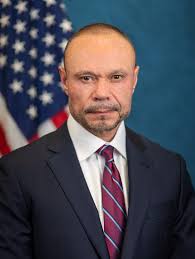
Death Penalty Showdown: Ritter Says Robinson Defense Is Scrambling To Avoid Capital Punishment0
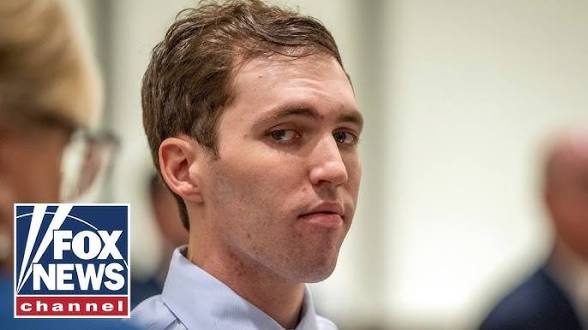
The legal battle surrounding Tyler Robinson has entered another critical phase as defense attorneys intensify efforts to prevent prosecutors from seeking the death penalty. Former prosecutor and legal analyst Josh Ritter says the latest court filings suggest Robinson’s legal team is “scrambling” to remove capital punishment as a possible sentence before the case reaches trial.
The high-profile case has attracted nationwide attention because of the serious allegations against Robinson and the prosecution’s intention to pursue the harshest punishment allowed under Utah law. Defense attorneys argue that prosecutors improperly influenced public opinion through comments made to the media, while prosecutors insist they were simply correcting misinformation surrounding forensic evidence.
This dispute has transformed what was already a closely watched murder prosecution into a broader legal showdown over constitutional rights, courtroom fairness, and the standards required in death penalty cases.
Why the Robinson Death Penalty Defense Matters
The Robinson death penalty defense has become the central issue before the court.
Defense lawyers are asking the judge to prevent prosecutors from seeking capital punishment. Their argument focuses less on Robinson’s guilt or innocence and more on whether prosecutors allegedly violated court rules governing public statements.
According to court filings, prosecutors responded publicly after speculation spread regarding ballistic evidence recovered from the crime scene. Defense attorneys claim those statements violated the court’s restrictions on discussing the case outside the courtroom.
If the judge agrees, the defense believes one possible remedy could be removing the death penalty from consideration.
Josh Ritter Explains the Defense Strategy
Legal analyst Josh Ritter believes the defense’s latest move reflects the enormous stakes involved whenever prosecutors seek capital punishment.
Ritter explained that once the death penalty becomes a possibility, every aspect of the trial changes dramatically.
Among the biggest differences are:
More extensive jury selection
Additional constitutional protections
Greater forensic scrutiny
More expert witnesses
Longer pretrial proceedings
Automatic appeals if a death sentence is imposed
Because of these factors, eliminating the death penalty early would significantly alter the course of the prosecution. Ritter described the defense’s efforts as an attempt to avoid entering a lengthy capital case.
Prosecutors Continue Seeking Capital Punishment
Utah prosecutors have consistently maintained that they intend to pursue the death penalty if Robinson is convicted.
The prosecution argues that public comments about forensic evidence were necessary to address inaccurate media reports suggesting the evidence might exonerate Robinson.
Prosecutors maintain they acted within ethical rules by correcting misinformation rather than discussing confidential trial evidence.
The court must now determine whether those statements crossed the line established by previous judicial orders.
The Ballistics Evidence Controversy
Much of the recent courtroom debate centers on ballistic evidence recovered during the investigation.
Earlier reports noted that preliminary testing did not conclusively match a bullet fragment to the suspected murder weapon.
Defense attorneys argued this could represent potentially favorable evidence for Robinson.
However, prosecutors emphasized that the testing was preliminary and that additional forensic analysis remained ongoing. They argued that early reports had been taken out of context and risked misleading the public.
This disagreement over forensic evidence has become one of the most important legal issues before trial.
Why Capital Punishment Changes Everything
Death penalty cases differ significantly from ordinary murder prosecutions.
If prosecutors seek execution, the court must follow additional constitutional procedures designed to ensure fairness.
Capital cases typically involve:
Lengthier Investigations
Both sides conduct far more extensive investigations before trial.
Additional Experts
Defense attorneys often retain psychologists, forensic specialists, mitigation experts, and jury consultants.
Separate Sentencing Phase
Even after a guilty verdict, jurors must decide whether death or life imprisonment is the appropriate punishment.
Automatic Appeals
Any death sentence receives extensive appellate review that can continue for years or even decades.
Defense Says Public Statements Threaten a Fair Trial
Robinson’s attorneys argue that prosecutors’ public comments may influence future jurors before the trial even begins.
Their motion claims repeated media interviews created unfair publicity that could prejudice the jury pool.
They contend the court should impose sanctions if prosecutors violated judicial orders.
One requested remedy is removing capital punishment from the case altogether.
Prosecutors Reject Those Claims
The prosecution strongly disputes the allegations.
According to court filings, prosecutors insist they merely corrected inaccurate reporting regarding forensic testing.
They argue that professional conduct rules allow attorneys to respond when misleading public information could undermine confidence in ongoing criminal proceedings.
The judge will ultimately determine whether those explanations satisfy the court’s previous restrictions.
The Judge’s Upcoming Decision
The court has indicated it will issue a ruling regarding the defense’s contempt allegations after reviewing arguments from both sides.
That decision could determine:
Whether prosecutors violated court orders
Whether sanctions are appropriate
Whether the death penalty remains available
How the case proceeds toward trial
Regardless of the outcome, the ruling is expected to shape the next stage of the prosecution.
Understanding Utah’s Death Penalty Process
Utah continues to authorize capital punishment for certain aggravated murder cases.
However, obtaining a death sentence requires numerous legal safeguards.
Among them:
Prosecutors must formally seek capital punishment.
A jury must unanimously support a death sentence.
Multiple appellate reviews follow any death verdict.
Appeals often take many years before a sentence becomes final.
Because of these protections, relatively few death sentences ultimately result in executions.
Public Attention Remains Intense
The Robinson prosecution has generated enormous public interest.
Court hearings continue attracting extensive media coverage, while legal experts frequently analyze each development.
This level of attention presents challenges for both sides.
Defense attorneys seek to preserve Robinson’s right to an impartial jury.
Prosecutors seek to reassure the public that the judicial process remains transparent and based on evidence.
The court must balance both interests while ensuring constitutional protections remain intact.
What Happens Next?
Several important milestones remain before trial.
The court is expected to:
Rule on the defense motion regarding alleged prosecutorial misconduct.
Continue reviewing pretrial evidence.
Conduct additional hearings on forensic issues.
Determine whether prosecutors may continue pursuing capital punishment.
Prepare for future trial proceedings if sufficient evidence supports moving forward.
Each decision could significantly affect both the prosecution’s strategy and the defense’s approach.
Broader Questions Raised by the Case
Beyond Robinson’s individual prosecution, the case raises broader legal questions, including:
When may prosecutors respond publicly to media reports?
How should courts protect the fairness of high-profile criminal trials?
What remedies are appropriate when attorneys allegedly violate court orders?
Should public statements ever affect whether prosecutors may seek the death penalty?
These issues frequently arise in nationally prominent criminal prosecutions and often influence future courtroom practice.
Conclusion
The Robinson death penalty defense has become one of the defining issues in this closely watched prosecution. Josh Ritter believes defense attorneys are working aggressively to prevent prosecutors from pursuing capital punishment, recognizing that removing the death penalty would fundamentally change the case.
How useful was this post?
Click on a star to rate it!
Average rating 0 / 5. Vote count: 0
No votes so far! Be the first to rate this post.
About the Author

usa5911.com
Administrator
Hi, I’m Gurdeep Singh, a professional content writer from India with over 3 years of experience in the field. I specialize in covering U.S. politics, delivering timely and engaging content tailored specifically for an American audience. Along with my dedicated team, we track and report on all the latest political trends, news, and in-depth analysis shaping the United States today. Our goal is to provide clear, factual, and compelling content that keeps readers informed and engaged with the ever-changing political landscape.