Tensions surrounding Iran have once again become the center of global attention after renewed military threats, diplomatic deadlock, and strong comments from foreign policy experts fueled debate over how the international community should respond.
One expert’s assertion that “only force will move Iran” has reignited discussions over whether diplomacy has reached its limits or whether increased military pressure risks triggering a much wider regional conflict. The statement comes as Iran continues exchanging warnings with the United States following recent military confrontations and threats involving strategic energy infrastructure.
Why the Expert’s Comments Are Making Headlines
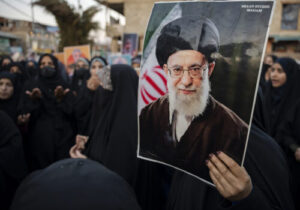
The latest debate follows months of heightened tensions between Iran and Western powers.
According to several security analysts, years of sanctions, negotiations, and diplomatic efforts have failed to permanently resolve disputes surrounding Iran’s nuclear ambitions and regional influence.
Some experts now argue that Tehran only changes course when confronted with overwhelming military pressure. Others strongly disagree, warning that military escalation could create even greater instability throughout the Middle East.
This divide has become increasingly visible among policymakers, defense experts, and international observers.
The Current Situation
Recent weeks have seen renewed exchanges of warnings between Washington and Tehran.
Iran’s military leadership recently warned that any future American strike would receive an even stronger response. Iranian officials also suggested that attacks targeting the country’s energy infrastructure could have consequences extending far beyond Iran itself.
These statements have increased concerns that a localized conflict could rapidly spread throughout the region.
Why Some Experts Believe Force Is the Only Remaining Option
Supporters of a tougher approach argue that decades of negotiations have produced only temporary agreements.
They point to several factors:
- Continued missile development.
- Regional proxy activities.
- Ongoing nuclear concerns.
- Periodic breakdowns in diplomatic talks.
Some analysts believe military pressure creates leverage that diplomacy alone cannot achieve.
One foreign policy expert interviewed by Euronews argued that long-term security concerns cannot be eliminated without fundamental political change inside Iran, although this represents one viewpoint among many in an ongoing policy debate.
Others Strongly Disagree
Not every security expert agrees with that assessment.
Political scientist Robert Pape has argued that history provides little evidence that air campaigns alone can produce lasting political change. Instead, he warns that increased military action often leads to prolonged wars, additional casualties, and broader regional instability.
Many analysts believe diplomacy remains difficult but preferable to an expanding conflict.
World Leaders Call for Restraint
Governments across Europe, Asia, and the Middle East have generally urged caution.
Many countries fear that further escalation could:
- Disrupt global oil supplies.
- Increase refugee flows.
- Trigger wider regional conflict.
- Damage international trade.
- Raise energy prices worldwide.
Several governments continue calling for renewed diplomatic engagement while encouraging all parties to avoid actions that could worsen the situation.
The Strategic Importance of Iran
Iran occupies one of the world’s most important geopolitical locations.
Its proximity to major shipping routes makes developments inside the country significant for global markets.
Any disruption affecting regional energy exports could have consequences extending well beyond the Middle East, influencing fuel prices, inflation, and international trade.
For that reason, governments around the world closely monitor every development involving Iran.
Impact on Global Energy Markets
Energy traders remain particularly sensitive to developments involving Iran.
Even the possibility of broader conflict has historically contributed to oil price volatility.
Analysts note that markets respond not only to military action itself but also to statements from political leaders and military officials.
If tensions continue rising, uncertainty could persist across global commodity markets.
Diplomatic Challenges Continue
Diplomacy remains difficult despite repeated international efforts.
Negotiators continue facing disagreements over nuclear inspections, sanctions, regional security, and broader political issues.
While some officials believe negotiations remain possible, others argue that trust between the parties has eroded significantly.
As a result, finding common ground has become increasingly challenging.
Military Pressure Versus Negotiation
The central question remains whether stronger military pressure encourages compromise or makes negotiations even more difficult.
Supporters of increased pressure believe credible military deterrence strengthens diplomatic leverage.
Critics argue that additional force risks hardening positions on all sides, reducing incentives for compromise and increasing the likelihood of accidental escalation.
This debate is likely to continue as policymakers assess future options.
International Reactions
Countries have responded in different ways depending on their regional interests and security concerns.
Some governments emphasize deterrence and defense cooperation.
Others focus on diplomacy and conflict prevention.
Several international organizations continue urging restraint while encouraging dialogue aimed at reducing tensions.
Although opinions differ regarding the best strategy, there is broad agreement that preventing a wider regional war remains an important objective.
Part 2 will continue with the remaining 900–1,000 words, analysis of global reactions, economic implications, future scenarios, conclusion, key takeaways, and SEO-friendly FAQs.
About the Author