Keane On Iran: They Lie And Cheat, World Reacts
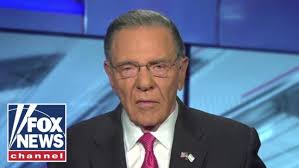
Speaking during a Fox News interview, retired General Jack Keane expressed skepticism that negotiations with Iran would produce lasting results.
According to Keane, Tehran has repeatedly used diplomatic talks to buy time while continuing activities that concern Western governments. He argued that previous agreements failed because Iranian leaders allegedly concealed information and delayed compliance with international commitments.
Keane stated that providing economic relief without strict verification would risk allowing Iran to rebuild its military and strategic capabilities. He maintained that the regime has consistently demonstrated a willingness to violate agreements whenever it serves its interests.
Why Iran Remains a Global Concern
Iran has remained at the center of international security discussions for decades.
Several issues continue to drive tensions:
Nuclear enrichment activities
Ballistic missile development
Regional proxy groups
Maritime security in the Persian Gulf
Relations with Israel
Sanctions imposed by Western nations
Western governments have long argued that Iran’s nuclear program must remain peaceful. Iranian officials, meanwhile, continue to insist that their nuclear activities are intended for civilian energy purposes.
These competing narratives have made negotiations extremely difficult.
Keane Says Pressure Works Better Than Diplomacy
One of Keane’s primary arguments is that sustained military and economic pressure has historically produced more leverage than prolonged negotiations.
He suggested that diplomatic talks often allow Iran additional time to strengthen its position rather than resolve core disagreements. According to Keane, Tehran’s strategy has consistently involved delaying negotiations whenever pressure increases.
His comments reflect a broader view held by some U.S. national security experts who believe that stronger deterrence is necessary to influence Iranian decision-making.
Others, however, maintain that diplomacy remains essential for preventing wider conflict.
International Reactions Continue
Keane’s comments have resonated because governments around the world remain deeply divided over Iran.
Some allies support maintaining strong sanctions and pressure.
Others continue advocating diplomatic engagement to avoid military escalation.
Following recent developments involving Iran, many countries have urged restraint while calling for renewed international dialogue aimed at preventing broader regional instability.
Global organizations have likewise emphasized the importance of reducing tensions through diplomatic channels.
The Debate Over Iran’s Negotiating History
One reason Keane’s remarks gained attention is the longstanding disagreement regarding Iran’s negotiating record.
Supporters of Keane point to:
Previous disputes involving nuclear inspections
Delays in implementing agreements
Alleged violations reported over multiple years
Concerns raised by intelligence agencies
Critics argue that negotiations remain imperfect but preferable to military conflict.
They believe continued dialogue offers opportunities to reduce misunderstandings and prevent escalation.
This disagreement remains one of the central foreign policy debates in Washington.
Trump’s Iran Policy Remains Part of the Discussion
Keane also praised President Donald Trump’s approach toward Iran, arguing that increased pressure significantly weakened Tehran’s strategic position.
He contended that sanctions and military actions had reduced Iran’s capabilities and increased pressure on its leadership. At the same time, Keane suggested that the broader objectives of the campaign were not fully completed before military operations paused.
Those comments have reignited debate about whether future administrations should prioritize negotiations or continue applying maximum pressure.
Middle East Stability Remains Uncertain
The broader Middle East continues experiencing significant geopolitical uncertainty.
Several ongoing issues contribute to regional instability:
Security concerns involving Israel
Activity by armed groups aligned with Iran
Maritime security challenges
Economic pressures caused by sanctions
Diplomatic disputes between regional governments
Analysts warn that even relatively small incidents could quickly escalate into broader regional confrontations.
That possibility explains why comments from influential military figures like Keane often receive widespread international attention.
Critics Push Back
Not everyone agrees with Keane’s assessment.
Some foreign policy experts argue that diplomacy remains the only realistic method for preventing a larger regional conflict.
They acknowledge Iran’s complicated negotiating history but believe abandoning talks altogether could increase instability.
Others argue that stronger verification mechanisms—not necessarily ending diplomacy—offer the best path forward.
This difference of opinion continues shaping policy discussions in Washington and among U.S. allies.
Why Keane’s Comments Matter
Jack Keane remains one of America’s most recognizable military analysts.
As a retired four-star general and frequent television commentator, his opinions often influence broader discussions about national security.
Although he no longer serves in government, policymakers, journalists, and military observers frequently examine his assessments when major international crises develop.
His latest remarks therefore attracted considerable attention beyond television audiences alone.
How useful was this post?
Click on a star to rate it!
Average rating 0 / 5. Vote count: 0
No votes so far! Be the first to rate this post.
About the Author

usa5911.com
Administrator
Hi, I’m Gurdeep Singh, a professional content writer from India with over 3 years of experience in the field. I specialize in covering U.S. politics, delivering timely and engaging content tailored specifically for an American audience. Along with my dedicated team, we track and report on all the latest political trends, news, and in-depth analysis shaping the United States today. Our goal is to provide clear, factual, and compelling content that keeps readers informed and engaged with the ever-changing political landscape.