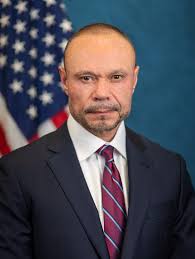
Kendall Qualls Showdown: Minnesota Political Battle Heats Up, Conservative Momentum Builds
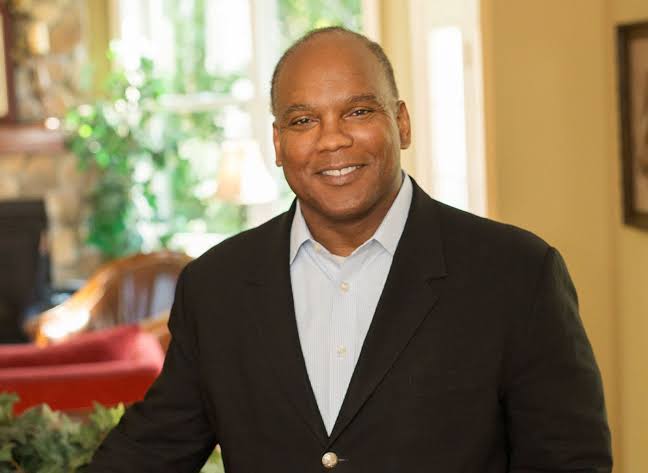
Minnesota’s political landscape has entered a new and highly competitive phase as Kendall Qualls emerges as one of the most talked-about figures in the state’s 2026 gubernatorial race. After securing the Minnesota Republican Party’s endorsement following a lengthy convention battle, Qualls has positioned himself at the center of a growing political debate about the future direction of the state. Recent developments have energized conservative voters while also intensifying opposition from Democratic leaders and progressive organizations.
The endorsement battle highlighted deep divisions within Minnesota politics and underscored the determination of Republicans to end a long streak of statewide election losses. For supporters, Qualls represents a fresh conservative voice with business leadership experience and a commitment to policy reforms. Critics, however, argue that his agenda could deepen existing political divisions.
As the election season gains momentum, voters across Minnesota are paying close attention to the issues, personalities, and strategies shaping one of the state’s most significant political contests in recent years.
Who Is Kendall Qualls?
Kendall Qualls is an Army veteran, businessman, and conservative political figure who has steadily increased his presence in Minnesota politics over the past several years. Before entering politics, Qualls built a career in business and leadership roles, earning recognition for his work in the private sector.
His political journey includes previous campaigns for Congress and governor. While those efforts did not result in electoral victories, they helped establish his profile among conservative voters and Republican activists across the state. Qualls has consistently presented himself as an outsider candidate focused on economic growth, public safety, education reform, and government accountability.
Many supporters view his military background and executive experience as strengths that differentiate him from traditional career politicians.
The GOP Endorsement Victory
One of the biggest political developments in Minnesota this year occurred when Qualls secured the Republican endorsement for governor after a marathon convention process. Delegates required multiple rounds of voting before reaching a final decision. Ultimately, Qualls surpassed the required threshold and emerged as the endorsed candidate.
The endorsement battle featured notable opponents, including Minnesota House Speaker Lisa Demuth and other Republican contenders. Throughout the convention, voting extended across numerous ballots as candidates competed for delegate support. Technical issues involving voting systems also became part of the story, adding further drama to an already intense political contest.
For Republican activists, Qualls’ victory represented more than just an endorsement. It symbolized a desire for change and a renewed effort to build a competitive statewide campaign capable of challenging Democratic dominance.
Why Conservative Momentum Is Growing
Several factors are contributing to the growing conservative enthusiasm surrounding the Qualls campaign.
Economic Concerns
Inflation, business regulations, taxation, and economic competitiveness remain major issues for many Minnesota voters. Qualls has emphasized policies designed to attract businesses, create jobs, and encourage investment in the state. His supporters argue that Minnesota needs stronger economic leadership to remain competitive with neighboring states.
Public Safety
Crime and public safety continue to rank among the top concerns for voters. Conservative candidates across the country have found success by emphasizing law enforcement support and community safety initiatives. Qualls has incorporated similar themes into his campaign messaging, appealing to voters seeking stronger responses to crime-related concerns.
Education Reform
Education policy remains another key issue. Conservative voters have increasingly advocated for greater parental involvement in schools, curriculum transparency, and expanded educational choice. Qualls has repeatedly highlighted education reform as a priority area.
Political Frustration
Many Republican delegates have expressed frustration over the party’s inability to win statewide offices in Minnesota for nearly two decades. Analysts note that this frustration helped fuel support for candidates perceived as capable of broadening the party’s appeal.
Challenges Facing the Qualls Campaign
While conservative momentum appears to be growing, significant challenges remain.
Potential Primary Competition
Despite securing the endorsement, Qualls may still face competition in the Republican primary. Some candidates have indicated they could continue their campaigns, creating the possibility of an expensive and divisive primary battle before the general election.
Political strategists often warn that prolonged primary contests can consume resources and create divisions that opponents later exploit.
Democratic Opposition
Minnesota Democrats remain highly organized and continue to hold significant advantages in statewide elections. Democratic leaders are expected to aggressively challenge Republican policy proposals and campaign messaging throughout the election cycle.
The state’s recent voting history demonstrates that winning a statewide race remains difficult for Republican candidates. Therefore, Qualls must attract not only conservative voters but also independents and moderate suburban voters.
Media Scrutiny
As Qualls’ profile rises, increased media attention is inevitable. Campaign statements, policy proposals, business experience, and political alliances are likely to receive extensive examination.
Political observers note that statewide campaigns often become testing grounds where candidates must demonstrate both policy expertise and the ability to withstand sustained public scrutiny.
Key Issues Likely to Define the Election
State Budget Management
Fiscal responsibility remains a central issue in Minnesota politics. Republicans argue for spending restraint and tax reforms, while Democrats often advocate for continued investments in public services.
Budget debates are likely to dominate campaign discussions as both parties seek to persuade voters that their approach offers the best path forward.
Healthcare Policy
Healthcare remains one of the most significant concerns for Minnesota families. Candidates from both parties will likely propose different approaches to affordability, access, and system reform.
Given Qualls’ background in healthcare leadership, voters may pay particular attention to his proposals in this area.
Economic Development
Job creation, workforce development, and business growth will remain major campaign themes. Rural communities, suburban areas, and urban centers often have different economic priorities, requiring candidates to address diverse concerns.
Immigration and Border Policies
National immigration debates continue to influence state-level politics. Qualls has previously expressed support for stronger immigration enforcement measures, a position that resonates with many conservative voters while drawing criticism from opponents.
The Republican Strategy Moving Forward
Republicans see the 2026 election as an opportunity to reshape Minnesota’s political future.
Party leaders hope that a combination of economic concerns, public safety issues, and voter dissatisfaction can create favorable conditions for a competitive statewide race. The endorsement of Qualls reflects a broader effort to present a candidate who combines conservative principles with a business-oriented leadership style.
Campaign strategists are expected to focus heavily on suburban communities, independent voters, and regions where Republicans have recently improved their performance.
How Democrats Are Responding
Democratic organizations have already begun highlighting policy differences between their agenda and Qualls’ platform. Opponents argue that Minnesota’s current direction should continue and warn against policies they believe could undermine public services or social programs.
The upcoming campaign will likely feature intense debates over taxation, education, healthcare, law enforcement, and economic development.
Given Minnesota’s history of close statewide elections, both parties recognize that turnout operations and voter engagement efforts could prove decisive.
Public Reaction and Political Interest
Public interest in the gubernatorial race has grown substantially following the endorsement convention. News coverage, social media discussions, and community forums have all reflected heightened engagement from voters across the political spectrum.
Online discussions reveal both enthusiasm and skepticism regarding Qualls’ candidacy. Supporters praise his outsider credentials and conservative vision, while critics question aspects of his platform and political experience.
Such reactions illustrate the broader polarization shaping modern American politics, where candidates often generate strong opinions among both supporters and opponents.
What Happens Next?
The coming months will be critical for the Qualls campaign.
Key priorities include:
Building statewide name recognition.
Expanding fundraising efforts.
Unifying Republican voters.
Developing detailed policy proposals.
Preparing for debates and public appearances.
Reaching independent and undecided voters.
Whether conservative momentum continues to grow may depend on the campaign’s ability to connect with voters beyond the Republican base.
Conclusion
The Kendall Qualls showdown has quickly become one of the most significant political stories in Minnesota. His successful bid for the Republican endorsement signals a renewed effort by conservatives to compete aggressively for statewide office after years of electoral setbacks.
Supporters view Qualls as a leader capable of bringing business experience, fiscal discipline, and policy reform to state government. Critics remain unconvinced and argue that Minnesota should continue its current political direction.
As the 2026 governor’s race unfolds, debates over economic growth, public safety, education, healthcare, and government accountability will shape the conversation. With political energy rising on both sides, Minnesota voters are preparing for a closely watched and highly consequential election season.
Frequently Asked Questions (FAQs)
Who is Kendall Qualls?
Kendall Qualls is an Army veteran, businessman, and Republican political candidate who secured the Minnesota GOP endorsement for governor in 2026.
Why is Kendall Qualls in the news?
He recently won the Republican endorsement for Minnesota governor after a lengthy convention process involving multiple rounds of voting.
What are Kendall Qualls’ main campaign issues?
His campaign focuses on economic growth, public safety, education reform, government accountability, and conservative policy priorities.
Will Kendall Qualls face a primary election?
Possibly. Some Republican candidates have indicated they may continue campaigning despite the endorsement outcome.
Why is the Minnesota governor race important?
The election will determine the state’s future direction on major issues such as taxation, education, healthcare, economic development, and public safety.
Can Republicans win statewide in Minnesota?
Republicans have faced challenges in statewide races for many years, but party leaders believe changing political conditions could create new opportunities in 2026.
What makes Kendall Qualls different from other candidates?
Supporters point to his military service, business leadership experience, and outsider political profile as key distinguishing factors.
When is the Minnesota governor election?
The Minnesota gubernatorial election will take place in November 2026, following the primary election process earlier in the year.
How useful was this post?
Click on a star to rate it!
Average rating 0 / 5. Vote count: 0
No votes so far! Be the first to rate this post.
About the Author

usa5911.com
Administrator
Hi, I’m Gurdeep Singh, a professional content writer from India with over 3 years of experience in the field. I specialize in covering U.S. politics, delivering timely and engaging content tailored specifically for an American audience. Along with my dedicated team, we track and report on all the latest political trends, news, and in-depth analysis shaping the United States today. Our goal is to provide clear, factual, and compelling content that keeps readers informed and engaged with the ever-changing political landscape.