Kennedy Center Controversy: Cultural Battle Intensifies, Political Backlash Grows
The ongoing Kennedy Center controversy has become one of the most heated cultural and political debates in the United States. What was once viewed as a largely nonpartisan symbol of American arts and culture is now at the center of a national dispute involving politics, artistic freedom, institutional leadership, and public funding.
Over the past year, leadership changes, artist boycotts, legal challenges, and public criticism have transformed the John F. Kennedy Center for the Performing Arts into a flashpoint in America’s wider cultural battles. Supporters argue that reforms are necessary to modernize the institution and improve accountability. Critics claim the changes threaten artistic independence and risk politicizing one of the country’s most respected cultural landmarks.
As new court rulings and political reactions continue to emerge, the Kennedy Center controversy shows no signs of slowing down.
What Is the Kennedy Center?
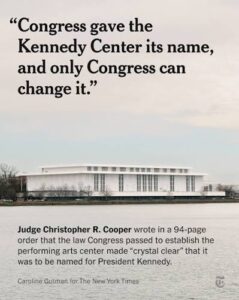
The John F. Kennedy Center for the Performing Arts serves as the United States’ national cultural center. Located in Washington, D.C., it hosts thousands of performances every year, including theater productions, concerts, opera, dance performances, and the prestigious Kennedy Center Honors.
For decades, the institution has maintained a reputation as a bipartisan cultural space where artists from across the political spectrum could perform and celebrate artistic achievement. That image has increasingly come under pressure as leadership decisions and political involvement have become subjects of public debate.
How the Kennedy Center Controversy Began
The current controversy accelerated after major leadership changes were introduced following shifts in federal political power. New board appointments and administrative restructuring triggered concerns among artists, cultural organizations, and advocacy groups.
Critics argued that the institution was moving away from its traditional mission of cultural neutrality. Supporters countered that the center needed reform, financial discipline, and programming changes that better reflected broader audiences.
What began as a dispute over governance soon expanded into a national discussion about the role of politics in arts institutions.
Artist Backlash and Performance Cancellations
One of the most visible aspects of the Kennedy Center controversy has been the reaction from artists and performers.
Several well-known artists publicly distanced themselves from the institution following leadership changes and policy disputes. Multiple performances were canceled, while some cultural organizations chose to relocate events rather than continue partnerships with the center.
Among the concerns raised were:
- Artistic independence
- Programming decisions
- Diversity initiatives
- Political influence over cultural content
- Freedom of expression
Critics argued that artists should be free from political pressure when creating or presenting work. Others responded that publicly funded institutions must remain accountable to taxpayers and elected leadership.
The result has been a growing divide between competing visions of what America’s national cultural center should represent.
Leadership Changes Fuel National Debate
Leadership transitions played a major role in intensifying the controversy.
Administrative changes brought new priorities and management approaches. Supporters praised efforts to reduce spending, restructure operations, and introduce reforms designed to improve financial sustainability.
Opponents, however, argued that the changes undermined long-standing traditions and damaged relationships with artists and donors. Reports of internal tensions, resignations, and public disagreements further amplified media attention.
As leadership disputes became increasingly public, the Kennedy Center found itself discussed not only in arts circles but also in national political conversations.
The Role of Politics in the Cultural Battle
The Kennedy Center controversy reflects a broader debate occurring across the United States.
Questions frequently raised include:
- Should cultural institutions remain politically neutral?
- Can publicly funded arts organizations avoid political influence?
- Who determines acceptable programming?
- What role should government play in cultural policy?
These questions have become central to the current dispute.
Supporters of reform argue that cultural institutions have become disconnected from many Americans and require fresh leadership. Critics warn that political involvement risks damaging artistic credibility and reducing creative freedom.
The controversy has therefore become larger than the Kennedy Center itself. It now symbolizes wider disagreements over culture, identity, and public institutions.
Court Battles Add New Dimension
Recent legal developments have dramatically increased attention on the issue.
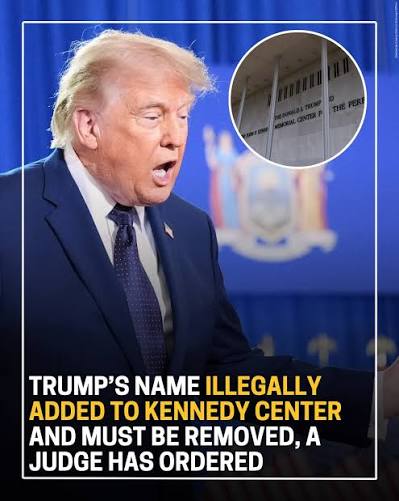
A federal judge recently ruled that efforts to rename the Kennedy Center and implement certain structural changes exceeded legal authority. The court emphasized that Congress retains authority over the institution’s official designation and certain major decisions.
The ruling ordered the removal of references associated with the disputed renaming effort and temporarily blocked plans related to major operational changes.
Legal experts say the decision highlights the unique relationship between the Kennedy Center and the federal government. Because the institution was established through congressional action, major modifications may require legislative approval.
The court battle has transformed what was initially a cultural dispute into a significant constitutional and governance issue.
Public Reaction Across America
Public reaction has been deeply divided.
Many Americans support efforts to reshape the institution, arguing that cultural organizations should reflect changing public expectations. Others view the controversy as evidence of growing political interference in artistic spaces.
Social media discussions have intensified the debate, with supporters and critics exchanging competing narratives about the center’s future.
Common themes appearing in public reactions include:
- Concerns about censorship
- Concerns about political activism
- Preservation of artistic freedom
- Institutional accountability
- Government influence in culture
These competing viewpoints have ensured that the controversy remains a recurring topic in national media coverage.
Financial Questions and Operational Challenges
Beyond politics and culture, financial concerns have also become central to the discussion.
Leadership has argued that structural changes and operational reforms are necessary to address long-term challenges. Proposed renovations, staffing decisions, and budget adjustments have been defended as essential for future sustainability.
Critics disagree, claiming that some actions could weaken public trust and reduce participation from artists, donors, and audiences.
Reports of layoffs, organizational restructuring, and uncertainty surrounding future programming have raised questions about how the institution will operate in the coming years.
The financial debate has become closely linked to the broader cultural and political arguments surrounding the center.
Why the Kennedy Center Matters
The intensity of the controversy reflects the symbolic importance of the institution.
The Kennedy Center is more than a performance venue. It represents national artistic achievement and serves as a cultural landmark recognized around the world.
Because of that status, disputes involving the center often carry significance beyond the arts sector.
Changes affecting the institution can influence:
- National cultural policy
- Public arts funding debates
- Artist-government relationships
- Public perceptions of artistic freedom
- America’s cultural identity
This explains why developments at the Kennedy Center continue to generate national headlines and widespread public interest.
Impact on the Arts Community
The broader arts community is closely monitoring the situation.
Many artists worry that ongoing political battles could discourage creative expression and complicate future collaborations. Others believe the controversy creates opportunities to rethink how cultural institutions engage with audiences.
Several arts organizations have already adjusted plans in response to uncertainty surrounding the center’s future direction. Some performers have withdrawn, while others have continued working with the institution despite the controversy.
The long-term impact remains uncertain, but few observers doubt that the dispute will influence discussions about arts governance for years to come.
What Happens Next?
The future of the Kennedy Center remains unclear.
Legal appeals may continue. Political leaders could seek additional oversight or legislative action. Leadership decisions will likely remain under scrutiny, and artist reactions may continue shaping public perception.
Several possible outcomes include:
- Increased congressional involvement.
- Further legal review.
- Leadership restructuring.
- New governance policies.
- Renewed efforts to rebuild public trust.
Whatever direction the institution ultimately takes, the controversy has already reshaped public discussion about culture and politics in America.
Conclusion
The Kennedy Center controversy has evolved into one of the most significant cultural debates in recent American history. What began as a dispute over leadership and programming has expanded into a national conversation about artistic freedom, political influence, institutional governance, and cultural identity.
Supporters of reform view the changes as necessary modernization. Critics see them as a threat to the independence and mission of a cherished national institution. Court rulings, artist protests, and political reactions have only deepened the divide.
As legal battles continue and public scrutiny grows, the Kennedy Center remains at the center of a broader cultural struggle that extends far beyond Washington, D.C. The outcome could influence not only the future of the institution itself but also the relationship between politics and the arts across the United States.
Frequently Asked Questions (FAQs)
What is the Kennedy Center controversy?
The Kennedy Center controversy involves leadership changes, political disputes, artist boycotts, legal challenges, and debates about artistic independence at America’s national cultural center.
Why are artists protesting the Kennedy Center?
Some artists have objected to leadership decisions, programming changes, and concerns about political influence within the institution.
What did the federal judge rule regarding the Kennedy Center?
A federal judge ruled that certain renaming efforts and operational decisions exceeded legal authority and ordered corrective actions.
Why is the Kennedy Center important?
The Kennedy Center is America’s national cultural center and hosts major artistic performances, educational programs, and the Kennedy Center Honors.
How has the controversy affected performances?
Several artists and productions have canceled appearances or distanced themselves from the institution amid the ongoing dispute.
Could the controversy impact other cultural institutions?
Many observers believe the outcome may influence future discussions about governance, public funding, and political involvement in arts organizations across the United States.
How useful was this post?
Click on a star to rate it!
Average rating 0 / 5. Vote count: 0
No votes so far! Be the first to rate this post.
About the Author

usa5911.com
Administrator
Hi, I’m Gurdeep Singh, a professional content writer from India with over 3 years of experience in the field. I specialize in covering U.S. politics, delivering timely and engaging content tailored specifically for an American audience. Along with my dedicated team, we track and report on all the latest political trends, news, and in-depth analysis shaping the United States today. Our goal is to provide clear, factual, and compelling content that keeps readers informed and engaged with the ever-changing political landscape.