The world is witnessing a significant rise in military aviation activity as fighter aircraft deployments increase across multiple regions. From the Middle East to Eastern Europe and the Indo-Pacific, governments are strengthening air defenses, conducting rapid-response missions, and positioning advanced combat aircraft amid growing geopolitical uncertainty.
The latest fighter aircraft alert developments have drawn global attention as military powers move strategic assets closer to potential conflict zones. Analysts believe the surge reflects a broader effort to strengthen deterrence, reassure allies, and prepare for possible security challenges in an increasingly unstable international environment.
As nations respond to emerging threats, the movement of advanced fighter jets, surveillance aircraft, and support systems has become one of the most visible signs of changing global security dynamics. Military observers, policymakers, and citizens alike are closely monitoring these developments, raising questions about what the growing deployments mean for regional stability and international relations.
Why Fighter Aircraft Deployments Are Increasing
Military aircraft have long served as a key element of national defense strategies. However, recent deployments indicate a heightened state of readiness among several major powers.
Defense experts point to several factors driving the increase:
- Rising geopolitical tensions
- Border security concerns
- Strategic deterrence operations
- Protection of military installations
- Enhanced surveillance missions
- Alliance commitments
- Rapid response preparedness
Modern fighter aircraft are often deployed as both defensive and symbolic assets. Their presence can reassure allies while simultaneously sending a strong message to potential adversaries.
Recent reports indicate that multiple countries have expanded combat air patrols and repositioned fighter squadrons in response to evolving security situations. These actions highlight the growing importance of air superiority in modern military planning.
Middle East Becomes a Major Focus
One of the most closely watched regions remains the Middle East, where military aircraft activity has increased substantially in recent months.
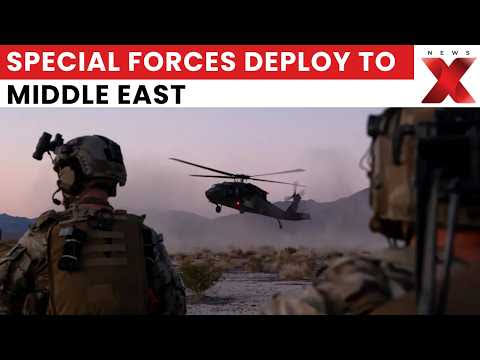
Reports indicate that the United States has moved additional fighter aircraft, refueling tankers, and support assets into the region amid heightened tensions involving Iran. Open-source intelligence and flight-tracking data have shown multiple deployments involving advanced aircraft platforms.
Military analysts note that such deployments serve several purposes:
Deterrence
Advanced fighter aircraft can discourage aggressive actions by demonstrating readiness and capability.
Regional Stability Operations
Military forces often position aircraft near areas of concern to protect strategic interests and allied nations.
Rapid Response Capability
Having fighter jets stationed closer to potential flashpoints reduces response times during emergencies.
Recent observations have identified deployments of F-16, F-22, and F-35 aircraft alongside logistical support platforms, highlighting the scale of the military buildup.
Strategic Air Bases Gain Importance
As fighter aircraft deployments expand, strategic air bases have become increasingly important.
Military planners rely on carefully positioned facilities to support operations, maintain aircraft readiness, and sustain long-term missions.
One notable example involves increased activity at Diego Garcia, a strategically located base in the Indian Ocean. Satellite imagery reportedly revealed fighter aircraft and support assets deployed there as regional tensions escalated.
Such bases provide several advantages:
- Extended operational reach
- Secure logistics networks
- Enhanced surveillance capabilities
- Refueling support
- Force projection opportunities
The ability to rapidly move aircraft between locations has become a defining feature of modern military strategy.
NATO Air Patrols Intensify
Across Europe, NATO members have also increased air patrols and readiness missions.
The alliance has conducted numerous fighter intercept operations in response to military activity near its borders. Several recent incidents involved fighter aircraft scrambling to identify and track foreign military planes operating close to NATO airspace.
Security officials view these missions as critical to maintaining airspace integrity and ensuring rapid responses to potential threats.
Recent developments have included:
- Enhanced Baltic Air Policing missions
- Fighter jet intercepts of reconnaissance aircraft
- Increased surveillance flights
- Joint multinational exercises
These operations demonstrate how military alliances continue adapting to evolving security challenges.
Advanced Fighter Jets Take Center Stage
The latest deployments feature some of the most advanced aircraft currently in service.
F-35 Lightning II
The F-35 remains one of the world’s most sophisticated multirole fighters. Its stealth capabilities, advanced sensors, and network-centric design make it a key asset for modern air forces.
F-22 Raptor
Known for its air superiority capabilities, the F-22 continues to play an important role in strategic deployments.
F-16 Fighting Falcon
Despite being decades old, the F-16 remains highly effective and widely used due to continuous upgrades and operational flexibility.
Eurofighter Typhoon
European nations continue relying on the Typhoon for air defense and interception missions.
The presence of these aircraft reflects the growing emphasis on readiness and technological superiority in modern defense planning.
The Role of Military Logistics
Fighter jets do not operate alone. Behind every deployment lies a vast logistical network.
Recent reports highlight extensive movements of:
- Refueling tankers
- Cargo aircraft
- Maintenance personnel
- Air defense systems
- Intelligence assets
Large-scale deployments require continuous support to maintain operational effectiveness. Observers have tracked hundreds of military flights transporting equipment and personnel to strategic locations.
Without these support systems, sustained air operations would be difficult to maintain.
Global Reactions to Military Deployments
The increase in fighter aircraft activity has generated strong reactions worldwide.
Government Responses
Many governments have emphasized that deployments are defensive measures designed to maintain stability and deter aggression.
Security Experts
Defense analysts generally view the deployments as precautionary actions intended to strengthen readiness.
Public Interest
Social media platforms and aviation tracking communities have become increasingly active as users monitor military flight movements in real time.
Online discussions frequently analyze aircraft routes, satellite imagery, and deployment patterns, reflecting growing public interest in defense affairs.
Technology Is Changing Military Transparency
One unique aspect of today’s fighter aircraft deployments is the unprecedented level of visibility.
Open-source intelligence tools now allow researchers, journalists, and citizens to track many military movements.
These technologies include:
- Satellite imagery
- Flight-tracking services
- Public aviation databases
- Geospatial analysis platforms
As a result, military activities that once remained largely hidden can now become public knowledge within hours.
This increased transparency has transformed how security developments are reported and understood worldwide.
Risks Associated With Increased Deployments
Although fighter aircraft deployments are often intended to prevent conflict, they can also increase risks.
Potential concerns include:
Miscalculation
Military aircraft operating in close proximity may increase the possibility of misunderstandings.
Escalation
Large deployments can be interpreted as preparations for military action.
Resource Strain
Sustained operations require significant financial and logistical commitments.
Diplomatic Challenges
Military movements can complicate ongoing negotiations and diplomatic efforts.
Policymakers therefore face the challenge of balancing deterrence with efforts to maintain stability.
Impact on Global Security
The current wave of fighter aircraft deployments reflects broader shifts in international security.
Several trends are becoming increasingly clear:
- Air power remains central to military strategy.
- Rapid deployment capabilities are expanding.
- Regional security partnerships are strengthening.
- Technological advantages continue shaping military competition.
- Strategic signaling plays a major role in deterrence.
These developments suggest that military aviation will remain a critical component of global security planning for years to come.
What Happens Next?
Predicting future military developments is difficult, but several possibilities exist.
Continued Deterrence Operations
Many deployments may remain precautionary and focused on maintaining readiness.
Expanded Joint Exercises
Military alliances could conduct additional exercises to improve coordination and interoperability.
Diplomatic Engagement
Governments may pursue negotiations aimed at reducing tensions and preventing escalation.
Long-Term Strategic Adjustments
Some nations may permanently adjust force postures in response to evolving threats.
The coming months will likely determine whether current deployments remain temporary measures or become part of a broader strategic realignment.
Conclusion
The latest fighter aircraft alert underscores a significant shift in global security dynamics. As military deployments increase across multiple regions, governments are prioritizing readiness, deterrence, and strategic flexibility in response to emerging challenges.
From the Middle East to Europe and beyond, fighter jets have become a visible symbol of rising geopolitical tensions and evolving defense strategies. Advanced aircraft, expanded air patrols, and strengthened military partnerships reflect a world adapting to new security realities.
While many deployments are intended to prevent conflict rather than provoke it, they also highlight the delicate balance between deterrence and escalation. As nations continue monitoring threats and protecting strategic interests, the world will remain focused on how these military movements shape the future of international stability.
Frequently Asked Questions (FAQs)
What is a fighter aircraft alert?
A fighter aircraft alert refers to heightened military readiness involving combat aircraft deployments, patrols, or rapid-response operations due to security concerns.
Why are fighter jets being deployed globally?
Countries deploy fighter jets to strengthen deterrence, protect strategic assets, monitor threats, and support allied nations during periods of tension.
Which regions are seeing increased fighter aircraft activity?
Recent reports indicate increased activity in the Middle East, Eastern Europe, NATO territories, and several strategically important maritime regions.
Are current deployments a sign of war?
Not necessarily. Many deployments are precautionary measures designed to maintain readiness and discourage potential aggression.
Which fighter aircraft are most commonly deployed?
Frequently deployed aircraft include the F-35 Lightning II, F-22 Raptor, F-16 Fighting Falcon, and Eurofighter Typhoon.
How do analysts track military aircraft movements?
Analysts use satellite imagery, open-source intelligence, flight-tracking systems, and publicly available aviation data to monitor deployments.
Could increased military deployments affect global markets?
Yes. Significant security tensions can influence energy prices, defense spending, financial markets, and international trade patterns.
What role does air power play in modern military strategy?
Air power provides rapid response capabilities, surveillance, deterrence, force projection, and support for broader military operations, making it a cornerstone of modern defense planning.
About the Author