Strait Of Hormuz Alert: Oil Supply Tensions, Global Security Pressure, World Reacts
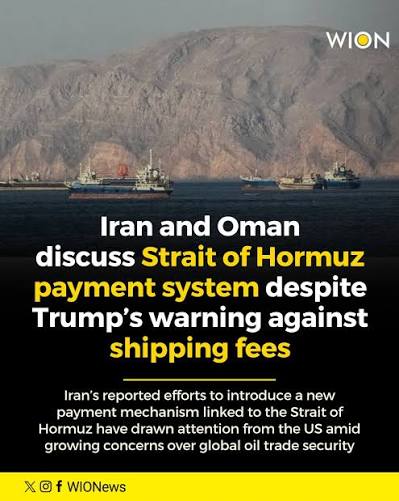
The Strait of Hormuz has once again become the center of global attention as rising geopolitical tensions trigger concerns about oil supply disruptions, energy prices, and international security. Governments, financial markets, shipping companies, and energy analysts are closely monitoring developments around this critical maritime chokepoint.
The narrow waterway, located between Iran and Oman, handles a major share of the world’s oil and liquefied natural gas shipments. Any disruption in this region can immediately impact fuel prices, shipping routes, inflation, and economic stability across multiple continents.
Recent developments have intensified fears of a wider regional conflict that could threaten global trade and energy security. Oil markets are reacting sharply, while countries dependent on Gulf energy exports are preparing contingency plans.
Experts warn that prolonged instability in the Strait of Hormuz could become one of the biggest energy crises in recent years.
Why The Strait Of Hormuz Matters
The Strait of Hormuz is considered one of the most important oil transit routes in the world. According to global energy agencies, nearly 20 million barrels of oil move through the passage daily. That represents roughly one-fifth of the world’s seaborne oil trade.
The waterway connects the Persian Gulf to international shipping lanes and is essential for oil exports from:
- Saudi Arabia
- Iraq
- Kuwait
- Qatar
- United Arab Emirates
- Iran
- Bahrain
Many Asian economies, including China, India, Japan, and South Korea, heavily depend on oil shipments passing through this corridor.
If shipping traffic slows or stops, the impact spreads globally within days through higher fuel prices, supply shortages, and financial market volatility.
Rising Tensions Fuel Global Anxiety
The latest concerns emerged after escalating conflict involving Iran and Western powers increased fears about shipping security in the Gulf region. Several reports indicate disruptions to commercial shipping, increased military patrols, and insurance concerns for oil tankers operating in the area.
Energy analysts warn that even temporary disruptions could push crude oil prices significantly higher. Some market forecasts suggest oil prices could exceed $100 per barrel if instability continues.
In extreme scenarios, experts believe oil could surge even further if the Strait experiences a prolonged closure or military confrontation.
Global shipping companies are also facing rising insurance costs and operational risks. Tanker operators are reassessing routes, while governments are discussing emergency responses and strategic oil reserve releases.
Oil Markets React To Supply Fears
Financial markets reacted quickly to reports of disruptions in the Strait of Hormuz. Oil futures climbed sharply amid fears of reduced supply and tighter global inventories.
Barclays recently maintained a high forecast for Brent crude prices while warning that risks remain tilted upward due to ongoing geopolitical uncertainty.
Market experts say several factors are driving the surge:
- Fear of reduced Gulf oil exports
- Declining global crude inventories
- Increased summer fuel demand
- Shipping disruptions
- Rising geopolitical uncertainty
Energy traders are also watching whether major producers can redirect exports through alternative pipelines and ports. However, experts say existing alternatives cannot fully replace the volume normally transported through the Strait of Hormuz.
Asia Faces Major Energy Pressure
Asian economies are among the most vulnerable to any Strait of Hormuz disruption. China and India receive a large percentage of their imported crude oil through this route. Japan and South Korea are also highly dependent on Gulf energy supplies.
Analysts warn that prolonged instability could lead to:
- Higher fuel prices
- Increased transportation costs
- Industrial production pressure
- Inflation concerns
- Slower economic growth
Several governments are reportedly reviewing emergency stockpiles and supply diversification plans. Some countries may seek alternative suppliers outside the Gulf region to reduce dependence on the Strait.
Japan, for example, has already discussed strategic reserve planning amid fears of supply disruption.
Europe Watches LNG Supply Risks
Europe is also closely monitoring the situation because the Strait of Hormuz plays a crucial role in global liquefied natural gas (LNG) trade.
Qatar, one of the world’s leading LNG exporters, relies heavily on the Strait for shipments to international markets. Experts estimate that nearly 20% of global LNG trade passes through the waterway.
Any interruption could increase gas prices across Europe, especially during periods of high energy demand. European officials are already discussing coordinated responses to protect energy supplies and stabilize fuel markets.
The energy shock could also affect industries that depend heavily on natural gas, including manufacturing, chemicals, and electricity generation.
Global Security Concerns Continue To Grow
The Strait of Hormuz crisis is not only about oil. It is also becoming a major global security issue.
Military forces from several countries are increasing their presence in the region to protect shipping lanes and deter attacks. Security analysts fear that further escalation could trigger broader regional instability involving multiple nations.
Experts say the narrow geography of the Strait makes it highly vulnerable during conflicts. Even limited attacks on shipping infrastructure could disrupt traffic for days or weeks.
Recent reports suggest shipping activity has already slowed significantly in certain periods of heightened tension.
Global leaders are calling for diplomatic efforts to avoid a larger conflict that could destabilize energy markets and damage the world economy.
Impact On Consumers Worldwide
Consumers are already beginning to feel the effects of rising oil prices. Higher crude prices usually translate into:
- More expensive gasoline and diesel
- Higher airline ticket prices
- Increased shipping costs
- Rising food prices
- Broader inflation pressure
Economic researchers estimate that fuel costs have already surged in several countries following disruptions linked to the Gulf crisis.
Businesses dependent on transportation and logistics are also facing mounting operational expenses. Airlines, trucking companies, and manufacturers could experience higher costs if energy prices remain elevated for a prolonged period.
Central banks may also face new inflation challenges if oil prices continue rising sharply.
Can Alternative Routes Reduce The Risk?
Some Gulf countries possess pipeline infrastructure that can partially bypass the Strait of Hormuz. Saudi Arabia and the United Arab Emirates have invested in alternative export routes connected to the Red Sea and Fujairah port.
However, analysts emphasize that these routes have limited capacity and cannot fully replace all disrupted shipments.
Current estimates suggest alternative pipelines could redirect only a fraction of the oil normally transported through the Strait.
This means that any prolonged closure would still create major supply shortages and severe market volatility.
How Governments Are Responding
Governments worldwide are taking multiple steps to manage the crisis:
Strategic Oil Reserves
Countries may release emergency oil reserves to stabilize supply and reduce panic in financial markets.
Naval Protection Missions
Military coalitions are increasing patrols to protect commercial shipping and deter attacks.
Diplomatic Negotiations
International leaders are urging restraint and diplomatic engagement to prevent further escalation.
Energy Diversification
Several nations are accelerating plans to diversify energy imports and expand renewable energy investment.
Some analysts believe the crisis could speed up the global shift toward renewable energy as countries seek to reduce dependence on vulnerable oil transit routes.
Could Oil Prices Reach Record Highs?
One of the biggest fears surrounding the Strait of Hormuz crisis is the possibility of extreme oil price spikes.
Some financial forecasts suggest crude prices could rise above $150 or even $200 per barrel in worst-case scenarios involving prolonged disruption.
Factors influencing future prices include:
- Duration of shipping disruptions
- Military escalation risks
- Availability of strategic reserves
- Global demand levels
- Alternative supply availability
Even short-term disruptions can trigger panic buying and speculative trading, causing rapid market swings.
The Bigger Economic Picture
The Strait of Hormuz crisis highlights how interconnected the global economy remains. A disruption in one narrow shipping lane can quickly affect:
- Global inflation
- Supply chains
- Stock markets
- Consumer spending
- Industrial production
- International trade
Developing economies are especially vulnerable because higher fuel prices increase transportation and food costs.
Economists warn that prolonged instability could weaken economic growth worldwide while increasing recession risks in some regions.
What Happens Next?
The future of the Strait of Hormuz situation depends heavily on diplomatic developments and regional security conditions.
Possible outcomes include:
- Temporary stabilization through negotiations
- Continued tension with periodic disruptions
- Larger military escalation affecting shipping routes
- International intervention to secure maritime trade
Markets are expected to remain highly sensitive to developments in the Gulf region over the coming weeks.
Energy companies, governments, and investors are all preparing for continued uncertainty.
Conclusion
The Strait of Hormuz remains one of the world’s most critical energy chokepoints, and rising tensions in the region are sending shockwaves through global markets. Concerns over oil supply disruptions, fuel inflation, and maritime security are growing as governments and industries prepare for potential escalation.
With nearly one-fifth of global oil trade passing through the Strait, even temporary instability can impact economies worldwide. From rising fuel prices to geopolitical pressure, the situation is becoming a defining global security and economic challenge.
As world leaders push for diplomatic solutions, markets and consumers alike continue watching the region closely. The coming weeks may determine whether tensions ease or evolve into a larger international energy crisis.
FAQs
What is the Strait of Hormuz?
The Strait of Hormuz is a narrow waterway between Iran and Oman that connects the Persian Gulf to global shipping routes. It is one of the world’s most important oil transit chokepoints.
Why is the Strait of Hormuz important?
Around 20% of global seaborne oil trade passes through the Strait. It is vital for oil exports from Gulf countries such as Saudi Arabia, Iraq, Qatar, and the UAE.
How do tensions in the Strait affect oil prices?
Any threat to shipping through the Strait can reduce supply expectations, causing crude oil prices to rise rapidly in global markets.
Which countries are most affected by disruptions?
Asian economies including China, India, Japan, and South Korea are among the most vulnerable because they rely heavily on Gulf oil imports.
Can Gulf countries bypass the Strait of Hormuz?
Some countries have alternative pipelines and export routes, but experts say these cannot fully replace the volume transported through the Strait.
Could the Strait of Hormuz crisis trigger a global recession?
Economists warn that prolonged disruptions could increase inflation, raise fuel costs, weaken trade, and slow economic growth globally.
Why are LNG supplies also at risk?
Qatar and the UAE export large amounts of liquefied natural gas through the Strait. Disruptions could affect energy supplies in Europe and Asia.
How useful was this post?
Click on a star to rate it!
Average rating 0 / 5. Vote count: 0
No votes so far! Be the first to rate this post.
About the Author

usa5911.com
Administrator
Hi, I’m Gurdeep Singh, a professional content writer from India with over 3 years of experience in the field. I specialize in covering U.S. politics, delivering timely and engaging content tailored specifically for an American audience. Along with my dedicated team, we track and report on all the latest political trends, news, and in-depth analysis shaping the United States today. Our goal is to provide clear, factual, and compelling content that keeps readers informed and engaged with the ever-changing political landscape.