Angie Craig Showdown: Minnesota Election Battle, Democratic Pressure, America Reacts
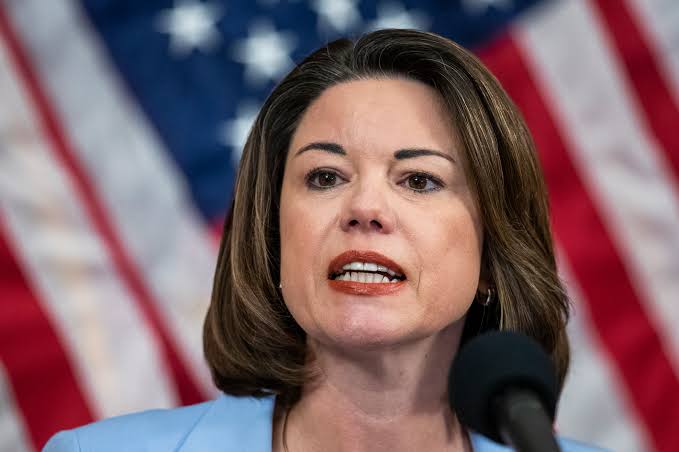
The political spotlight is turning toward Angie Craig as Minnesota prepares for one of the most closely watched Senate battles of the 2026 election cycle. What began as a routine Senate transition has rapidly evolved into a high-stakes political showdown involving party divisions, national Democratic strategy, grassroots activism, and growing voter frustration across the country.
Craig, a Democratic congresswoman representing Minnesota’s 2nd Congressional District since 2019, officially entered the Senate race following Senator Tina Smith’s decision not to seek reelection. Her announcement immediately reshaped the political landscape in Minnesota and triggered a fierce competition within the Democratic-Farmer-Labor Party (DFL).
The race is already attracting national attention because it reflects a much larger struggle happening inside the Democratic Party. Moderates and progressives are competing for influence, while Republicans see an opportunity to challenge Democratic dominance in a state that has increasingly become politically competitive.
As campaign tensions rise, Americans across the political spectrum are reacting strongly. Supporters praise Craig as a pragmatic Democrat capable of winning moderates and independents. Critics argue she represents establishment politics during a time when voters are demanding bold change.
This is more than a Minnesota election battle. It is becoming a national political test.
Who Is Angie Craig?

Angie Craig built her political career around a message of economic opportunity, healthcare affordability, and bipartisan cooperation. Before entering politics, Craig worked in the healthcare industry and often spoke publicly about being raised by a single mother in a working-class family.
She first gained national attention after flipping Minnesota’s 2nd Congressional District in 2018, defeating Republican incumbent Jason Lewis. Since then, she has survived multiple competitive races in a swing district, strengthening her image as a Democrat capable of appealing to suburban and moderate voters.
Her Senate campaign announcement emphasized issues such as:
- Lowering prescription drug prices
- Fighting corporate monopolies
- Supporting farmers and rural communities
- Mental health and addiction treatment
- Government accountability
Craig framed her campaign as a battle against political dysfunction in Washington.
Why the Minnesota Senate Race Matters Nationally
Minnesota’s Senate contest is no longer viewed as a local political story. National strategists from both parties now see the race as an important indicator of where American politics is heading after the turbulent 2024 presidential election cycle.
Several major factors are increasing the race’s importance:
1. Democratic Party Divisions
The Democratic Party remains divided between progressive activists and centrist lawmakers. Craig is widely viewed as part of the moderate wing of the party, while figures like Peggy Flanagan represent the progressive movement.
Political analysts describe the Minnesota primary as a symbolic battle over the future direction of the Democratic Party.
Moderates argue Democrats must reconnect with suburban voters, independents, and working-class Americans concerned about inflation, immigration, and crime.
Progressives argue the party needs stronger action on climate change, healthcare, labor rights, and economic inequality.
Craig’s campaign sits directly in the middle of this ideological fight.
2. Republican Momentum
Republicans believe they can become more competitive in Minnesota, especially after recent national elections showed tighter margins in suburban areas.
The GOP is also energized by the open Senate seat and by concerns over immigration enforcement controversies, public safety debates, and dissatisfaction with Democratic leadership.
Former sportscaster Michele Tafoya entered the Republican Senate race with strong national conservative support.
Republicans hope issues like border security, federal law enforcement, and economic pressure will resonate with voters frustrated by Washington politics.
3. Minnesota as a Political Battleground
Minnesota has long leaned Democratic in presidential elections, but recent years have shown increasing competitiveness.
Suburban districts that once heavily favored Democrats are becoming more contested. Rural areas remain strongly Republican, while urban voters continue to support Democrats.
Craig’s ability to consistently win in a politically divided district makes her a major figure in the national Democratic strategy heading into 2026.
Democratic Pressure Intensifies
One reason the “Angie Craig showdown” narrative is growing is because Craig faces pressure from multiple directions at the same time.
Pressure From Progressives
Some progressives criticize Craig for occasionally breaking with Democratic leadership on immigration and law enforcement issues. Critics argue that moderate positioning could weaken enthusiasm among younger and more progressive voters.
Recent debates involving immigration enforcement and ICE activity in Minnesota have further intensified tensions inside the Democratic coalition. Craig joined other Democrats criticizing federal enforcement actions and supporting accountability measures after controversial incidents involving immigration officers sparked protests and national headlines.
Activists want stronger progressive messaging, while moderates fear moving too far left could alienate swing voters.
This balancing act may define Craig’s entire Senate campaign.
Pressure From Moderates
At the same time, centrist Democrats are counting on Craig to prove that moderate candidates can still succeed in competitive states.
Many party strategists believe Democrats lost ground nationally because voters viewed the party as disconnected from economic concerns and public safety issues.
Craig’s supporters argue she offers a more electable image capable of appealing beyond traditional Democratic voters.
Her campaign messaging increasingly focuses on affordability, economic stability, and practical governance rather than ideological confrontation.
America Reacts to the Craig Campaign
Political reactions to Craig’s Senate campaign reveal how polarized the national political climate has become.
Supporters Praise Pragmatism
Supporters see Craig as a realistic and experienced leader.
Many suburban voters appreciate her bipartisan image and willingness to challenge her own party when necessary. Supporters also highlight her electoral success in a difficult congressional district as proof she can compete statewide.
Among Democratic strategists, Craig is viewed as someone who can potentially hold independent voters while still energizing core Democratic constituencies.
Critics Demand Stronger Progressive Leadership
Progressive critics argue the political moment requires more aggressive policy positions.
Some activists believe moderate Democrats have failed to inspire younger voters frustrated by economic inequality, housing costs, and climate issues.
Social media discussions surrounding Craig often reflect this broader ideological frustration inside the Democratic base.
Conservatives Target Democratic Leadership
Republicans are already attacking Craig as part of what they describe as failed Democratic leadership in Washington and Minnesota.
Conservative critics point to inflation concerns, immigration disputes, and growing distrust in federal institutions as reasons voters should reject Democratic candidates.
Minnesota Republicans believe voter frustration may create an opening that did not exist in previous Senate races.
Key Issues Driving the Election Battle
Several major issues are shaping the political environment around the Craig campaign.
Economy and Inflation
Economic concerns remain central to voter frustration nationwide.
Even as inflation rates have cooled compared to earlier years, many Americans continue struggling with high grocery prices, housing costs, and healthcare expenses.
Craig’s campaign is expected to heavily emphasize middle-class affordability and economic fairness.
Her messaging frequently highlights prescription drug costs and corporate concentration.
Immigration and Federal Enforcement
Immigration has become one of the most emotionally charged issues in the country.
Recent tensions in Minnesota involving ICE operations, protests, and public demonstrations have intensified political debate. Craig and other Minnesota Democrats have faced pressure to respond forcefully to federal enforcement controversies.
Republicans argue Democrats are too weak on border enforcement, while progressive activists demand stronger protections for immigrant communities.
Public Safety
Crime and public safety remain powerful campaign topics across suburban America.
Craig has attempted to maintain a careful balance by supporting law enforcement accountability while also emphasizing community safety.
This moderate approach may help her appeal to independent voters, though it risks criticism from both political extremes.
Healthcare
Healthcare remains one of Craig’s strongest political themes.
She frequently discusses her healthcare industry background and advocates for reducing prescription drug costs and improving mental health services.
Democrats hope healthcare messaging will help reconnect with working-class voters concerned about affordability.
Polls and Fundraising
Early fundraising numbers suggest Craig is becoming a major force in the Senate race.
Reports show she has raised millions of dollars and established a significant financial advantage over many competitors.
Polling data has shown a competitive Democratic primary between Craig and Peggy Flanagan, reflecting the broader ideological divide inside the party.
Political analysts expect outside spending groups and national organizations to pour millions into the Minnesota contest as the election approaches.
Why This Race Could Shape the Democratic Future
The Angie Craig showdown matters because it symbolizes deeper questions facing Democrats nationwide:
- Should Democrats move toward the political center?
- Can moderates still win competitive states?
- Are progressive policies the future of the party?
- How should Democrats handle immigration and public safety debates?
- What messaging resonates with working-class voters?
Minnesota’s Senate race may provide important answers.
If Craig succeeds, moderates could gain influence nationally.
If progressives outperform expectations, the party’s ideological balance may shift further left.
Either outcome will likely influence Democratic strategy heading into future presidential elections.
Conclusion
Angie Craig is now at the center of one of America’s most important political battles.
Her Senate campaign represents far more than a standard election contest. It reflects the growing ideological struggle inside the Democratic Party, the rising pressure from Republicans, and the frustration many Americans feel toward national politics.
Minnesota voters will ultimately decide the outcome, but the implications could extend far beyond state borders.
As campaign spending rises, political attacks intensify, and voter emotions grow stronger, the Angie Craig showdown is becoming one of the defining political stories of the 2026 election cycle.
FAQs
Who is Angie Craig?
Angie Craig is a Democratic congresswoman from Minnesota who represents the state’s 2nd Congressional District and is running for the U.S. Senate in 2026.
Why is the Minnesota Senate race important?
The race is important because it reflects national political divisions inside the Democratic Party and could impact Senate control and future Democratic strategy.
What issues are shaping Angie Craig’s campaign?
Major issues include healthcare affordability, inflation, immigration policy, public safety, and economic inequality.
Who are Angie Craig’s main political rivals?
Craig faces competition from progressive Democrat Peggy Flanagan in the Democratic primary and multiple Republican candidates in the general election race.
Why are Americans reacting strongly to this race?
The election has become symbolic of broader national debates about Democratic leadership, progressive politics, immigration, and economic frustration.
Is Minnesota becoming a political battleground state?
Minnesota remains Democratic-leaning overall, but recent elections have become increasingly competitive, especially in suburban districts.
How useful was this post?
Click on a star to rate it!
Average rating 0 / 5. Vote count: 0
No votes so far! Be the first to rate this post.
About the Author

usa5911.com
Administrator
Hi, I’m Gurdeep Singh, a professional content writer from India with over 3 years of experience in the field. I specialize in covering U.S. politics, delivering timely and engaging content tailored specifically for an American audience. Along with my dedicated team, we track and report on all the latest political trends, news, and in-depth analysis shaping the United States today. Our goal is to provide clear, factual, and compelling content that keeps readers informed and engaged with the ever-changing political landscape.