Hegseth Poland Withdrawal: NATO Tensions, Troop Cuts, Europe Reacts
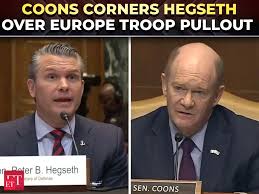
The decision linked to Defense Secretary Pete Hegseth to halt a planned deployment of thousands of American troops to Poland has triggered a major debate across Europe and within the NATO alliance. The sudden policy shift comes during a tense geopolitical moment marked by concerns over Russia, disagreements among Western allies, and growing uncertainty about the future of American military commitments overseas.
Reports indicate that the Pentagon unexpectedly canceled a planned deployment of roughly 4,000 U.S. troops to Poland. The move follows a broader reduction of American military presence in Europe, including plans to withdraw approximately 5,000 troops from Germany.
The development has alarmed NATO officials, European leaders, lawmakers in Washington, and military analysts who fear the move could weaken deterrence against Russia. Meanwhile, supporters of the strategy argue Europe must shoulder more responsibility for its own defense rather than relying heavily on the United States.
The controversy surrounding the “Hegseth Poland withdrawal” has rapidly become one of the most discussed international security stories of the year.
What Happened in the Poland Troop Withdrawal Decision?
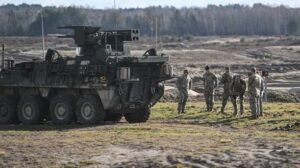
According to multiple reports, the Pentagon abruptly canceled a planned rotation of U.S. armored brigade forces into Poland. Soldiers and equipment had reportedly already started arriving before the order was reversed.
The deployment would have involved more than 4,000 American troops stationed temporarily in Poland as part of NATO’s eastern flank deterrence strategy. These deployments became especially important after Russia’s invasion of Ukraine reshaped European security planning.
However, the Pentagon reportedly decided to stop the deployment without extensive public explanation, creating confusion among allies and lawmakers. Reuters and other outlets reported that even some U.S. officials were caught off guard by the sudden reversal.
The decision has been widely associated with the broader strategic views of Defense Secretary Pete Hegseth and the administration’s push to reduce America’s military footprint in Europe.
Why Is Poland So Important to NATO?
Poland occupies one of the most strategically sensitive positions in Europe. Located on NATO’s eastern border and close to both Belarus and Russia’s Kaliningrad region, Poland has become a frontline state in European defense planning.
Since the beginning of the Ukraine conflict, Poland has dramatically increased military spending, modernized its armed forces, and strengthened cooperation with the United States. American troops stationed there have symbolized Washington’s commitment to defending NATO allies.
Poland has also been one of the strongest supporters of NATO expansion and regional military readiness. For many Eastern European countries, a continued American military presence acts as a powerful deterrent against potential Russian aggression.
That is why the withdrawal decision created immediate anxiety in parts of Europe.
NATO Tensions Rise After the Announcement
The troop cancellation has intensified ongoing tensions inside NATO. European governments are increasingly worried about whether the United States is gradually stepping back from its traditional leadership role in European security.
Recent months have already seen friction between Washington and European allies over defense spending, foreign policy disagreements, and the handling of conflicts in the Middle East.
The Poland deployment cancellation added fuel to those concerns.
NATO officials attempted to calm fears by emphasizing that rotational deployments are only one part of the alliance’s broader defense strategy. One senior NATO military official reportedly stated that NATO would continue maintaining a strong eastern flank presence.
Still, European leaders remain uneasy about the unpredictability of U.S. decisions.
Europe Reacts to the Hegseth Poland Withdrawal
Reactions across Europe have been mixed but intense.
Poland’s Response
Polish Prime Minister Donald Tusk tried to reassure the public by saying he received guarantees that Poland’s security would not be weakened. He described the troop changes as logistical rather than strategic.
However, many Polish analysts and defense observers remain skeptical. Poland has spent years positioning itself as America’s closest military ally in Eastern Europe, and any reduction in troop presence naturally raises concerns.
Germany’s Position
Germany has also reacted cautiously after learning about the broader American troop drawdown plans. German officials emphasized the importance of maintaining transatlantic cooperation while acknowledging that Europe may need to invest more heavily in its own defense capabilities.
Broader European Concerns
Across Europe, leaders fear the moves could embolden Russia or weaken NATO unity during a volatile geopolitical period.
Some critics argue that sudden troop reductions send the wrong message to adversaries. Others believe Europe should interpret the decision as a wake-up call to build stronger independent military capabilities.
The Trump Administration’s Influence on NATO Policy
The troop reduction debate is closely tied to the foreign policy philosophy associated with Donald Trump and his allies.
Trump has repeatedly argued that NATO members should spend more on defense and reduce dependence on American taxpayers. His administration has long questioned whether the U.S. should continue carrying the majority of NATO’s military burden.
Reports suggest frustrations over Europe’s stance on Middle East conflicts and broader geopolitical disagreements may also have influenced recent decisions.
Defense Secretary Pete Hegseth has often supported a more nationalist defense approach that prioritizes American domestic interests and strategic realignment toward Asia.
This broader strategic shift is now becoming increasingly visible through troop posture changes.
Could Russia Benefit From the Troop Cuts?
Many security experts warn that troop reductions in Europe could create opportunities for Russia to test NATO unity.
Russia has closely monitored signs of division within the alliance. Any perception of weakening American commitment could influence Moscow’s strategic calculations.
Several analysts argue that forward-deployed U.S. troops provide not only military value but also political symbolism. Their presence signals that any attack on NATO territory would immediately involve American forces.
Without that visible commitment, some fear deterrence could weaken.
At the same time, supporters of the withdrawal argue that Europe today is wealthier and more capable than during the Cold War. They believe European nations should assume a larger share of defense responsibilities instead of depending heavily on Washington.
The debate reflects a larger question facing NATO in 2026: how should the alliance balance American leadership with European self-reliance?
Pentagon Criticism and Internal Confusion
Reports indicate that even Pentagon officials were surprised by the speed and timing of the Poland withdrawal decision. Some officials reportedly described the move as abrupt and poorly communicated internally.
Critics argue that sudden strategic changes without extensive consultation can damage trust among allies.
Several members of Congress also expressed concern that lawmakers were not properly notified before the deployment cancellation became public.
Questions are now emerging about future troop levels in Europe and whether additional cuts could follow.
Public Reaction and Social Media Debate
The online reaction to the Hegseth Poland withdrawal has been extremely polarized.
On social media platforms and discussion forums, critics accused the administration of weakening NATO and helping Russian strategic interests. Others praised the decision as a long-overdue correction to America’s overseas military commitments.
Many users argued that Europe should be capable of defending itself after decades of economic growth and military modernization. Others warned that reducing troop commitments during a period of international instability is risky.
The debate reflects a broader ideological divide over America’s role in global security.
Will More U.S. Troops Leave Europe?
One of the biggest concerns following the Poland announcement is whether additional American troop reductions are coming.
Recent reports suggest the Pentagon is reviewing the broader U.S. military posture in Europe. Troop levels had increased significantly after Russia’s invasion of Ukraine, but some officials now appear interested in returning to pre-2022 levels.
There are also indications that Washington may prioritize military resources for Asia and the Pacific region, particularly in response to growing tensions involving China.
If further cuts occur, NATO could face one of its most important strategic transitions since the end of the Cold War.
What This Means for NATO’s Future
The Hegseth Poland withdrawal controversy represents more than a troop movement dispute. It highlights a major turning point in the transatlantic relationship.
For decades, Europe relied heavily on American military leadership. Now, political changes in Washington are forcing European governments to reconsider long-term defense strategies.
Several possible outcomes could emerge:
- Europe increases defense spending dramatically
- NATO reforms its military structure
- The U.S. shifts more resources toward Asia
- European nations pursue greater strategic independence
- Eastern European states seek stronger bilateral security guarantees
The coming months will likely determine whether the Poland troop decision was an isolated logistical move or the beginning of a deeper transformation in NATO policy.
Conclusion
The Hegseth Poland withdrawal decision has become a defining moment in the ongoing debate about NATO’s future, American global leadership, and European security responsibilities.
While officials insist the move does not weaken NATO deterrence, many allies remain concerned about the broader message being sent. The cancellation of the Poland deployment, combined with troop reductions in Germany, has intensified questions about the future direction of U.S. military strategy in Europe.
For supporters, the policy represents a necessary shift toward burden-sharing and strategic realism. For critics, it risks undermining alliance unity during a dangerous geopolitical period.
As Europe reacts and NATO adapts, the world will be closely watching whether this troop withdrawal marks a temporary adjustment or the beginning of a historic transformation in Western defense policy.
FAQs
What is the Hegseth Poland withdrawal?
The Hegseth Poland withdrawal refers to the Pentagon’s decision to cancel a planned deployment of around 4,000 U.S. troops to Poland amid broader troop reduction discussions in Europe.
Why did the U.S. cancel the Poland troop deployment?
Reports suggest the decision was linked to a wider review of U.S. military posture in Europe and growing pressure for NATO allies to take greater responsibility for defense.
How has NATO reacted?
NATO officials have tried to reassure allies that overall deterrence plans remain strong, though concerns about alliance unity and American commitment continue.
Why is Poland strategically important?
Poland sits on NATO’s eastern flank near Russia and Belarus, making it a critical location for military deterrence and alliance defense planning.
Could more U.S. troops leave Europe?
Yes, analysts believe additional troop reductions are possible as Washington reassesses its global military priorities and encourages Europe to increase defense spending.
How useful was this post?
Click on a star to rate it!
Average rating 0 / 5. Vote count: 0
No votes so far! Be the first to rate this post.
About the Author

usa5911.com
Administrator
Hi, I’m Gurdeep Singh, a professional content writer from India with over 3 years of experience in the field. I specialize in covering U.S. politics, delivering timely and engaging content tailored specifically for an American audience. Along with my dedicated team, we track and report on all the latest political trends, news, and in-depth analysis shaping the United States today. Our goal is to provide clear, factual, and compelling content that keeps readers informed and engaged with the ever-changing political landscape.