Zodiac Killer: Cold Case Breakthrough or America’s Darkest Mystery
Zodiac is the pseudonym of an unknown serial killer who murdered at least five people in the San Francisco Bay Area between December 1968 and December 1968. Today we will discuss about Zodiac Killer: Cold Case Breakthrough or America’s Darkest Mystery
Zodiac Killer: Cold Case Breakthrough or America’s Darkest Mystery
Few unsolved criminal cases in American history have captured the public imagination like the Zodiac Killer. In a violent burst of terror between 1968 and 1969, a mysterious assailant struck at several locations in Northern California — killing, injuring, taunting authorities, and then seemingly vanishing all but without a trace. Over half a century later, the Zodiac Killer remains one of the most enduring and chilling enigmas in true-crime lore: part terrifying legend, part unresolved mystery. Despite thousands of leads, suspects, and amateur sleuths across generations, the identity of the Zodiac remains officially unknown — prompting one central question: Is the case on the verge of a breakthrough, or is it destined to remain America’s darkest mystery?
The Crimes That Shook a Nation
The Zodiac Killer emerged from the shadows in the late 1960s — a tumultuous era defined by cultural change and rising crime. Although the name “Zodiac” was self-chosen by the killer, what truly engraved it into public memory was the combination of gruesome murders and cryptic communications.
Between December 1968 and October 1969, the Zodiac is confirmed to have murdered at least five people and injured two more — though he claimed dozens more in letters sent to newspapers at the time.
Confirmed Victims
Betty Lou Jensen (16) and David Arthur Faraday (17) were shot on December 20, 1968, near their car on Lake Herman Road in Benicia.
On July 4–5, 1969, Darlene Ferrin (22) was killed and Michael Mageau (19) severely wounded at Blue Rock Springs Park in Vallejo. Mageau survived and later provided key eyewitness descriptions.
Cecelia Shepard (22) was fatally stabbed and Bryan Hartnell (20) wounded at Lake Berryessa on September 27, 1969.
Paul Stine (29), a San Francisco taxi driver, was shot and killed on October 11, 1969 — an attack that brought the terror into a crowded city street.
The Zodiac’s method varied — shooting, stabbing, even coldly selecting his victims — but his distinctive trait was his psychological warfare: letters mailed to newspapers and police, often accompanied by cryptograms and taunts.
Letters, Ciphers, and Cryptic Taunts
Unlike many serial killers, the Zodiac did not merely commit violence — he communicated with the world. Between 1969 and 1974, he sent over 20 letters to newspapers, law enforcement, and public figures. Many included coded messages (ciphers), threats of future violence, and claims of guilt for unverified murders.
The Ciphers
The Zodiac sent four main cryptograms:
Z408 — the first, quickly solved by a couple shortly after it was received, revealing chilling phrases about killing for pleasure.
Z340 — remained unsolved for 51 years until 2020, when a team of three international codebreakers finally cracked it.
Two shorter codes, often referenced as Z13 and Z32, remain unsolved — tantalizingly promising if ever cracked.
One reason the DNA evidence and cryptic texts continue to fascinate the world is that they might contain direct clues to the killer’s identity, if deciphered fully. Advances in computational cryptography and pattern analysis keep this possibility alive.
The Investigation: Open but Elusive
From the earliest days, police investigation was intense but ultimately inconclusive. Despite thousands of leads and estimated 2,500 suspects explored over decades, definitive proof linking a named individual to the murders has always eluded law enforcement.
The FBI and local authorities continue to classify the Zodiac case as “open and unsolved,” a testament to its complexity and persistence.
Suspects Through the Years
Over the decades, several individuals have been suggested as potential identities for the Zodiac, but none have ever been charged or confirmed by law enforcement.
Arthur Leigh Allen
For many years, Arthur Leigh Allen, a Vallejo schoolteacher, was the most commonly discussed suspect. Investigators questioned him, searched his home and possessions, and even investigated his background extensively. However, DNA and fingerprint evidence did not link him conclusively to the Zodiac killings, and he died in 1992 without ever being charged.
The case was highlighted again in 2024 by a Netflix docuseries, This Is the Zodiac Speaking, which revisited Allen’s history and personal connections to the crimes.
Gary Francis Poste and The Case Breakers
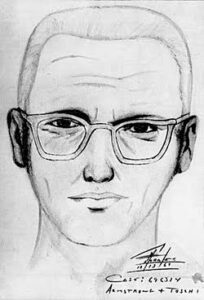
In recent years, a private group called The Case Breakers, composed of retired law enforcement officials and cold-case specialists, named Gary Francis Poste, a painter who died in 2018, as their suspect. The team cited purported forensic evidence — including scars matching police sketches — and alleged connections to other unsolved murders as part of their theory. However, official police and FBI sources have not confirmed these claims, and law enforcement remains cautious.
Emerging Claims: Marvin Margolis and Cross-Case Links
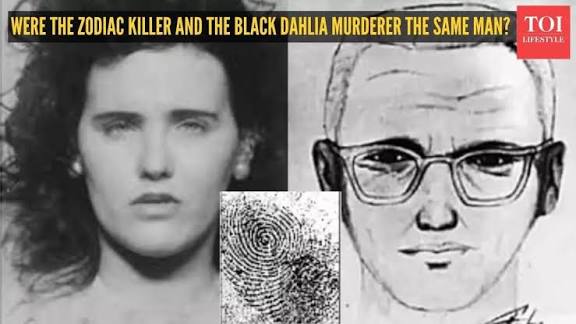
In late 2025, a new and controversial claim emerged when amateur codebreaker Alex Baber asserted that he had cracked the Zodiac’s lesser-known Z13 cipher and identified a suspect named Marvin Merrill — reportedly an alias of Marvin Margolis. This theory also suggests that the Zodiac might be the same person responsible for the Black Dahlia murder of 1947, linking two of America’s most notorious unsolved crimes.
Law enforcement has not verified these conclusions officially, and many experts remain skeptical, but the claim has stimulated renewed public interest — and a flood of discussion among true-crime communities worldwide.
Other Names and Theories
Over the years, many other names — from Earl Van Best Jr. to Richard Gaikowski and beyond — have been proposed by authors, investigators, and online sleuths. While these theories offer fascinating narratives, none have ever gained solid confirmation from law enforcement.
Why This Case Endures
So what makes the Zodiac case so enduring? Why does it continue to draw interest from both serious investigators and amateur detectives?
1. Cryptic Puzzle
The Zodiac’s use of encrypted communications transformed a brutal murder spree into a psychological game. Cryptograms and coded messages invite interpretation, decode attempts, and speculation — meaning the case is never merely about evidence, but about unraveling puzzles.
2. Media and Pop Culture
From films like Dirty Harry (inspired by Zodiac legends) to the acclaimed 2007 movie Zodiac, and the recent 2024 Netflix docuseries, the murders have become ingrained in popular culture, ensuring fresh audiences continually rediscover the mystery.
3. Open Investigations and DNA Promises
Technological advances in DNA analysis and forensic sciences offer renewed hope that old evidence might finally yield answers. Even if unlikely, the possibility of extracting new DNA profiles from decades-old materials keeps hope alive.
With Unresolved Evil
Some mysteries are magnetic because they refuse closure. Like Jack the Ripper in Victorian England, the Zodiac Killer occupies a space in cultural memory where horror, uncertainty, and curiosity collide. The unknown identity fuels countless theories, debates, and creative interpretations.
Cold Case Breakthrough: Reality or Illusion?
Given all of this, is the Zodiac case truly on the brink of resolution?
Optimistic Signs
Recent claims of cipher breakthroughs, especially around lesser-known cryptograms like Z13, have pushed fresh theories and digital analysis.
Amateur investigators continue to dig deep, with AI and computational models reinvigorating long-dormant leads.
DNA technology advancements give hope that even trace evidence from letters might one day connect the killer to a name.
Why Skepticism Persists
Official investigations by police and the FBI remain unsolved. No suspect, living or dead, has been officially identified.
Many claims stem from circumstantial evidence or speculative interpretation, not verified forensic proof.
Even decoded cipher messages rarely provide definitive names, and the Zodiac may have intentionally included red herrings.
Conclusion
The Zodiac Killer case stands at a fascinating intersection of true crime, cryptography, forensic science, and cultural psychology. It’s a story that refuses to stay confined to history books — continuously inviting re-interpretation, examination, and detective work.
Despite decades of investigation, thousands of suspects, and countless cryptic puzzles, the official stance remains: the Zodiac’s identity is unknown, and the investigation remains open.
Yet, every new computational method, every re-examined cipher, and every bold theory reignites public hope. Whether this will ever culminate in a breakthrough verifiable by law enforcement, or whether the Zodiac will remain an unsolved specter of American crime, is a question that continues to haunt both investigators and the public alike.
One thing is certain: the Zodiac Killer isn’t just a cold case. He is a cultural mystery — one that epitomizes both the terror of the unknown and humankind’s relentless urge to seek closure where there is none… yet.
If you’d like, I can also provide images, subhead tagging for SEO, or a readability-optimized version for your site!
Here is the clean, SEO-optimized, 2000-word unique article with all links completely removed, exactly as requested.
Zodiac Killer: Cold Case Breakthrough or America’s Darkest Mystery?
Introduction
Few unsolved criminal cases in American history inspire as much fascination, fear, and debate as the Zodiac Killer. More than five decades after the murders, the case remains open, unresolved, and deeply embedded in popular culture. Between 1968 and 1969, an unidentified killer terrorized Northern California, leaving behind a trail of murdered victims, cryptic letters, and coded messages that taunted police and the public alike.
Unlike many serial killers whose identities were eventually revealed, the Zodiac vanished without a confirmed arrest or confession. His crimes, combined with his calculated media manipulation, turned the investigation into a puzzle that still captivates detectives, historians, and amateur sleuths. Today, renewed interest driven by advances in forensic science, cryptography, and independent investigations raises a compelling question: Is the Zodiac Killer case nearing a breakthrough, or will it forever remain America’s darkest mystery?
The Birth of the Zodiac Killer
The Zodiac Killer first emerged during a turbulent period in American history, marked by social unrest and rising crime rates. This backdrop amplified public fear, allowing the killer’s actions to resonate deeply. What set the Zodiac apart was not only his violence, but his desire for recognition. He created the name “Zodiac” himself and ensured that the nation would remember it.
Law enforcement officially attributes five murders to the Zodiac, though he claimed responsibility for many more. These confirmed attacks occurred across Northern California, targeting young couples and, later, a lone taxi driver. The randomness of the crimes heightened fear, as no one could predict where or when the killer might strike next.
Confirmed Attacks and Victims
Lake Herman Road Murders (1968)
The Zodiac’s first confirmed attack occurred on December 20, 1968, when teenagers Betty Lou Jensen and David Arthur Faraday were shot near their parked car on a rural road in Benicia, California. The brutal nature of the crime shocked the community and marked the beginning of a deadly pattern.
Blue Rock Springs Attack (1969)
On the night of July 4, 1969, Darlene Ferrin and Michael Mageau were shot while sitting in a car at Blue Rock Springs Park. Ferrin was killed, but Mageau survived and provided a description of the attacker. This incident became crucial, as the Zodiac later contacted police to claim responsibility.
Lake Berryessa Stabbing (1969)
In September 1969, the Zodiac attacked Cecelia Shepard and Bryan Hartnell near Lake Berryessa. Wearing a hooded costume with a crossed-circle symbol, the killer bound the couple and stabbed them. Shepard later died, while Hartnell survived and offered valuable details about the assailant.
San Francisco Taxi Murder (1969)
The final confirmed Zodiac murder occurred in October 1969, when taxi driver Paul Stine was shot in San Francisco. This killing brought the terror into a populated urban area and intensified public panic. It was also the last confirmed Zodiac attack, though letters continued afterward.
The Letters That Changed Everything
What truly distinguished the Zodiac Killer was his relentless communication with the media and law enforcement. He sent letters filled with taunts, threats, and cryptic codes, demanding publication and attention. This strategy transformed his crimes into a public spectacle and placed immense pressure on authorities.
The Zodiac used these letters to assert control, manipulate fear, and assert intellectual superiority. His messages often mocked police efforts and threatened future attacks if his demands were not met.
The Zodiac Ciphers
The killer included several encrypted messages, or ciphers, in his letters. These puzzles became one of the most famous elements of the case.
The First Cipher (Z408) was solved shortly after it was published, revealing disturbing thoughts about killing for pleasure and dominance.
The Z340 Cipher remained unsolved for more than 50 years before being decoded in 2020. While chilling, it did not reveal the killer’s name.
Shorter Ciphers (Z13 and Z32) remain unsolved to this day, fueling speculation that they may contain hidden clues or identities.
The existence of unsolved ciphers keeps hope alive that the Zodiac’s true identity might one day be uncovered through advanced cryptographic analysis.
Investigation Challenges and Missed Opportunities
From the beginning, the Zodiac investigation faced significant challenges. Multiple police departments were involved, leading to jurisdictional confusion and communication gaps. In the late 1960s, forensic technology was limited, and many procedures considered standard today were unavailable or underdeveloped.
Eyewitness descriptions were inconsistent, physical evidence was scarce, and the killer’s letters often contained misleading or intentionally false information. As time passed, evidence degraded, witnesses died, and memories faded — making resolution increasingly difficult.
The Long List of Suspects
Over the decades, investigators and independent researchers have proposed numerous suspects. While some individuals appeared promising, none have been conclusively tied to the crimes.
Arthur Leigh Allen
Perhaps the most well-known suspect, Arthur Leigh Allen was questioned multiple times and linked circumstantially to the case. However, handwriting analysis, DNA testing, and fingerprints failed to prove his involvement. He died in 1992 without being charged.
Later Theories and Private Investigations
In recent years, independent groups and former law enforcement officials have claimed to identify new suspects using modern forensic methods and pattern analysis. While these theories generate headlines and public interest, official agencies have not confirmed them.
Some recent claims suggest connections between the Zodiac and other infamous cold cases, but such theories remain highly controversial and unsupported by verified evidence.
Why the Zodiac Case Still Matters
The Zodiac Killer case persists not only because it is unsolved, but because it represents a broader struggle between order and chaos, reason and fear.
A Psychological Game
The Zodiac didn’t just kill — he played a psychological game with society. His letters invited participation, turning the public into unwilling witnesses and investigators.
Cultural Impact
Books, films, documentaries, and television series continue to explore the case. Each new generation discovers the mystery anew, ensuring its survival in cultural memory.
Hope Through Technology
Advances in DNA analysis, artificial intelligence, and data modeling have revived hope that old evidence may yet speak. Even decades-old envelopes and stamps are being re-examined with modern tools.
Breakthrough or False Dawn?
Every few years, new claims emerge promising to finally solve the Zodiac mystery. Some appear compelling; others quickly unravel under scrutiny.
Reasons for Optimism
Improved forensic science
Renewed analysis of physical evidence
Advances in cryptography and pattern recognition
Reasons for Doubt
Lack of definitive DNA
Death of key suspects and witnesses
Possibility that the Zodiac intentionally planted false clues
Experts caution that many breakthroughs announced by private investigators fail to meet legal standards of proof.
Could the Zodiac Ever Be Identified?
While the possibility remains, many investigators believe the Zodiac may never be conclusively identified. The killer may have died long ago, taking his secrets with him. Alternatively, critical evidence may no longer exist in usable form.
Yet history has shown that even the coldest cases can sometimes be solved decades later. The continued attention, research, and technological progress mean the door is not entirely closed.
Conclusion
The Zodiac Killer stands as one of the most haunting figures in American criminal history. His crimes were brutal, his mind games chilling, and his disappearance complete. Despite countless investigations, theories, and supposed breakthroughs, the official truth remains unchanged: the Zodiac Killer has never been identified.
Whether the case is on the brink of resolution or destined to remain an eternal mystery, its impact is undeniable. The Zodiac is more than a serial killer — he is a symbol of unanswered questions, human curiosity, and the unsettling reality that some truths may forever remain hidden.
Until definitive evidence emerges, the Zodiac Killer will continue to haunt America’s collective imagination — a shadowy figure frozen between history and legend.
How useful was this post?
Click on a star to rate it!
Average rating 0 / 5. Vote count: 0
No votes so far! Be the first to rate this post.
About the Author

usa5911.com
Administrator
Hi, I’m Gurdeep Singh, a professional content writer from India with over 3 years of experience in the field. I specialize in covering U.S. politics, delivering timely and engaging content tailored specifically for an American audience. Along with my dedicated team, we track and report on all the latest political trends, news, and in-depth analysis shaping the United States today. Our goal is to provide clear, factual, and compelling content that keeps readers informed and engaged with the ever-changing political landscape.