US Submarine Strike: Iranian Warship Sunk, Tensions Rise
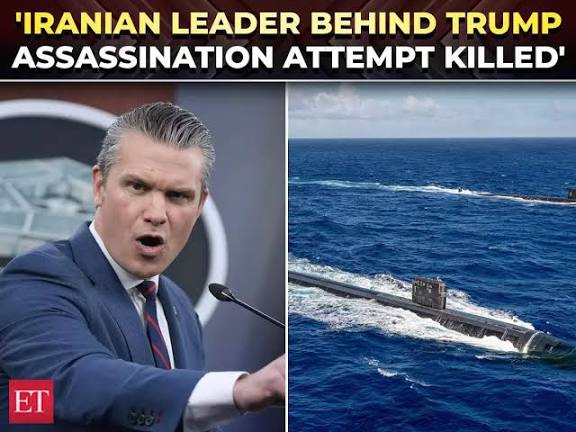
The global geopolitical landscape shifted dramatically after a United States submarine strike sank an Iranian warship in the Indian Ocean, triggering sharp reactions across the Middle East and beyond. The incident has intensified tensions between the United States and Iran while raising concerns about a wider regional conflict.
According to international reports, the Iranian Navy frigate IRIS Dena was torpedoed by a U.S. Navy submarine off the coast of Sri Lanka on March 4, 2026, leading to significant casualties and sparking diplomatic outrage from Tehran.
This dramatic naval strike has become one of the most significant maritime incidents in recent years and could have long-term implications for global security, maritime trade routes, and Middle East geopolitics.
What Happened in the US Submarine Strike?
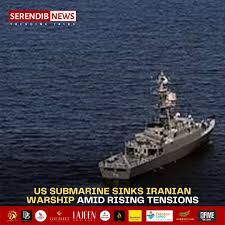
The incident occurred in the Indian Ocean near the southern coast of Sri Lanka, roughly 40 nautical miles from the port city of Galle. Reports indicate that a U.S. Navy submarine launched a torpedo that struck the Iranian warship IRIS Dena, causing a massive explosion and ultimately sinking the vessel.
Officials confirmed that the attack was carried out using a Mark 48 torpedo, a powerful submarine-launched weapon designed to destroy large naval targets.
At the time of the attack, the Iranian frigate was reportedly returning home after participating in international naval exercises hosted by India, including the MILAN naval exercise and an international fleet review.
Key facts about the incident:
Date: March 4, 2026
Location: Indian Ocean near Sri Lanka
Target: Iranian Navy frigate IRIS Dena
Weapon: Torpedo fired from U.S. submarine
Casualties: At least 87 sailors killed, dozens rescued or missing
The strike marked one of the rare instances in modern warfare where a submarine has sunk an enemy surface ship.
The Iranian Warship IRIS Dena
The vessel targeted in the strike was the IRIS Dena, a domestically built Moudge-class frigate belonging to the Iranian Navy.
The warship had been commissioned in 2021 and represented Iran’s efforts to strengthen its naval capabilities and extend its maritime presence beyond the Persian Gulf.
Key Specifications
Class: Moudge-class frigate
Length: Approximately 95 meters
Displacement: Around 1,500 tons
Speed: Up to 30 knots
Weapons: Anti-ship missiles, torpedoes, naval gun systems
The ship also carried a helicopter and advanced radar systems, making it one of the more capable vessels in Iran’s fleet.
Before the attack, the ship had been deployed on a long-range mission aimed at demonstrating Iran’s naval reach in the Indian Ocean.
Casualties and Rescue Efforts
The torpedo strike resulted in significant casualties among the crew of the Iranian warship.
Reports indicate that at least 87 sailors were killed, while dozens of others were rescued during search operations conducted by Sri Lankan authorities.
Rescue teams quickly responded after receiving distress signals from the sinking vessel.
Key developments during rescue operations:
Sri Lankan naval and coast guard units deployed immediately
Survivors were transported to nearby hospitals
Bodies of victims were recovered from the sea
Several crew members were reported missing
Sri Lanka became an unexpected player in the crisis as it coordinated search and rescue operations despite the attack occurring outside its territorial waters.
Why Did the United States Launch the Strike?
The United States government confirmed responsibility for the submarine attack.
According to statements from defense officials, the strike was part of ongoing military operations linked to the broader conflict involving Iran, the United States, and regional allies.
At the time of the incident, tensions were already high due to:
Missile exchanges in the Middle East
Air strikes targeting Iranian military facilities
Iranian attacks on regional targets
The sinking of the Iranian frigate represented a major escalation in naval operations connected to the conflict.
Some U.S. officials described the warship as a potential threat within the expanding conflict zone, though critics argue the vessel may not have been engaged in hostile activity at the moment of the strike.
Iran’s Reaction to the Attack
Iran strongly condemned the submarine strike and described it as a “war crime” and an act of aggression.
Iranian officials warned that the country would respond decisively and protect its maritime interests.
Key elements of Iran’s response included:
Accusations of illegal military aggression
Warnings of retaliation against U.S. forces
Calls for international investigation
Increased military readiness
Iranian media also reported that another Iranian vessel entered the area after the attack, raising concerns about further escalation in the region.
Impact on Global Security
The sinking of the Iranian warship has significantly heightened global security concerns.
Military analysts warn that the incident could:
Expand the ongoing conflict beyond the Middle East
Increase naval tensions in the Indian Ocean
Threaten major maritime trade routes
Draw additional countries into the crisis
The Indian Ocean is one of the world’s most important shipping lanes, connecting Asia, the Middle East, and Europe.
Any escalation in this region could disrupt global trade and energy supplies.
Strategic Importance of the Indian Ocean
The location of the strike is strategically significant.
The Indian Ocean hosts several key maritime corridors, including routes used for transporting oil, gas, and commercial goods.
Important strategic features include:
Access to the Persian Gulf
Connection to Southeast Asia
Key naval bases used by global powers
For Iran, expanding naval presence in the Indian Ocean has been part of a broader strategy to project power beyond its immediate region.
For the United States, maintaining control of international shipping lanes remains a critical strategic priority.
Reactions From Global Powers
The incident has triggered reactions from several major world powers.
India
India faced diplomatic pressure because the Iranian warship had recently participated in naval exercises hosted by the country.
Opposition leaders in India have called for clarification regarding the situation and its implications for regional security.
Sri Lanka
Sri Lanka became involved due to the location of the incident and the rescue operations carried out by its authorities.
Western Allies
Western allies of the United States expressed concern about the escalation but largely supported efforts to contain Iran’s military activities.
Middle Eastern Countries
Many Middle Eastern states are closely monitoring the situation due to fears that the conflict could spread further across the region.
Military Significance of the Strike
The attack has drawn attention from defense analysts because submarine attacks on surface ships are relatively rare in modern warfare.
This strike was notable because:
It involved a submarine-launched torpedo against a warship
It occurred far from the traditional conflict zone
It marked one of the first such incidents involving the U.S. Navy in decades
Submarines remain among the most powerful and stealthy weapons platforms in modern naval warfare.
Their ability to operate undetected allows them to strike targets with little warning.
Could This Trigger a Wider War?
Many experts warn that the sinking of the Iranian warship could lead to further escalation.
Possible scenarios include:
Iranian retaliation against U.S. naval forces
Missile strikes on military bases
Attacks on oil shipping routes
Expansion of naval conflict into other regions
The risk of miscalculation remains high as both sides continue to escalate military actions.
The Role of Naval Power in Modern Conflicts
The incident highlights the growing importance of naval forces in global conflicts.
Navies play a critical role in:
Protecting trade routes
Projecting military power
Conducting intelligence operations
Deterring enemy forces
Modern submarines in particular have become strategic assets due to their stealth, advanced weapon systems, and long-range capabilities.
What Happens Next?
The aftermath of the submarine strike remains uncertain.
Key developments to watch include:
Diplomatic negotiations between major powers
Iran’s potential military response
Increased naval deployments in the region
International investigations into the incident
Global leaders are calling for restraint to prevent further escalation.
However, with tensions already high, the situation could evolve rapidly.
Conclusion
The US submarine strike that sank the Iranian warship IRIS Dena marks a dramatic escalation in the ongoing geopolitical conflict involving Iran and Western powers.
The incident not only caused heavy casualties but also extended the conflict into the Indian Ocean, a region critical to global trade and security.
As international tensions rise and military forces remain on high alert, the world is watching closely to see whether diplomacy can prevent further escalation.
The coming weeks will likely determine whether this event becomes a turning point in global security or the beginning of an even larger conflict.
FAQs
What happened in the US submarine strike?
A U.S. Navy submarine fired a torpedo that sank the Iranian warship IRIS Dena near Sri Lanka in March 2026, killing dozens of sailors.
Where did the incident occur?
The strike occurred in the Indian Ocean near the southern coast of Sri Lanka, approximately 40 nautical miles from Galle.
How many people died in the attack?
Reports indicate that at least 87 Iranian sailors were killed, with several others rescued during search operations.
Why was the Iranian warship targeted?
U.S. officials linked the attack to the broader conflict involving Iran and its regional tensions with the United States and allies.
What is IRIS Dena?
IRIS Dena was a Moudge-class frigate belonging to the Iranian Navy, commissioned in 2021 and equipped with missiles, torpedoes, and radar systems.
Could the attack lead to a larger war?
Experts warn that the strike could escalate tensions between Iran and the United States and potentially trigger wider regional conflict.
How useful was this post?
Click on a star to rate it!
Average rating 0 / 5. Vote count: 0
No votes so far! Be the first to rate this post.
About the Author

usa5911.com
Administrator
Hi, I’m Gurdeep Singh, a professional content writer from India with over 3 years of experience in the field. I specialize in covering U.S. politics, delivering timely and engaging content tailored specifically for an American audience. Along with my dedicated team, we track and report on all the latest political trends, news, and in-depth analysis shaping the United States today. Our goal is to provide clear, factual, and compelling content that keeps readers informed and engaged with the ever-changing political landscape.