US border crackdown tightens: new orders roll out, migrants reroute
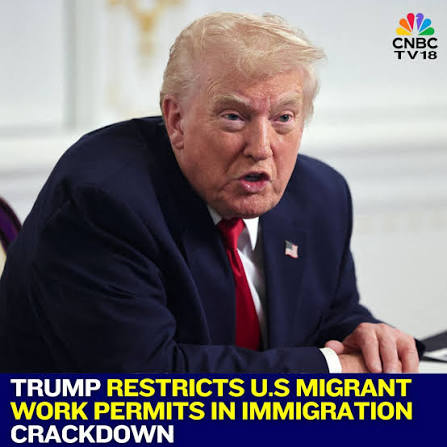
How Trump is intensifying his crackdown on every type of immigration into the US The border is essentially closed. Today we will discuss about US border crackdown tightens: new orders roll out, migrants reroute
US border crackdown tightens: new orders roll out, migrants reroute
The United States has entered a new phase of immigration enforcement as federal authorities roll out tougher border measures, reshaping migration patterns across the Western Hemisphere and beyond. What was once described as a policy adjustment has evolved into a wide-ranging crackdown involving executive orders, expanded enforcement powers, restricted asylum access, and increased cooperation with security agencies. As the border tightens, migrants are not disappearing — they are adapting, rerouting, and seeking alternative paths in response to growing barriers.
This evolving landscape reflects not only domestic political priorities but also global migration pressures driven by conflict, economic instability, and climate stress. The result is a complex and often controversial transformation of the U.S. border system, one that is redefining how migration is managed, perceived, and experienced.
A Policy Shift with Broad Reach
The latest border crackdown stems from a series of executive actions designed to strengthen immigration enforcement and reduce unauthorized entry. These orders emphasize deterrence, rapid removals, and a national-security framing of migration. Federal agencies have been granted expanded authority to detain and deport individuals more quickly, while discretionary relief options have been narrowed.
One of the most notable changes has been the expansion of expedited removal procedures. Under this framework, migrants who cannot immediately establish a legal right to remain in the country may be deported without a full immigration court hearing. Supporters argue this prevents system overload and discourages abuse of asylum laws. Critics counter that it risks wrongful deportations and undermines due process.
The administration has also sought to pressure state and local governments to align with federal enforcement priorities. Jurisdictions that limit cooperation with immigration authorities face the possibility of funding cuts or legal challenges. This has reignited tensions between federal power and local autonomy, particularly in major urban centers.
Enforcement Intensifies Along the Border
On the ground, the impact of the crackdown is visible across the southern border. Additional personnel, surveillance technology, and physical infrastructure have been deployed to high-traffic crossing areas. In some regions, enforcement operations now include military support roles, reinforcing the perception of the border as a security zone rather than a humanitarian entry point.
Construction and expansion of border barriers have resumed in select areas, accompanied by environmental waivers that allow faster development. Officials argue that physical barriers remain an effective tool for channeling migration into controlled entry points. Environmental groups and border communities, however, have raised concerns about ecological damage and land rights.
Border Patrol agents are operating under stricter enforcement mandates, with fewer discretionary releases and more immediate custody transfers to removal proceedings. Detention facilities have expanded capacity, and transportation networks for deportation flights have been upgraded to handle increased volumes.
Urban Enforcement and Interior Operations
The crackdown is not limited to border regions. Immigration enforcement has increasingly moved into the interior of the country through targeted operations in cities and towns. These actions are officially focused on individuals with criminal records or outstanding deportation orders, but community advocates argue that fear spreads far beyond those targeted.
Workplace inspections, arrests near courthouses, and cooperation with local law enforcement have increased in certain areas. This has led to protests and legal challenges, particularly in states with large immigrant populations. Critics argue that aggressive interior enforcement disrupts families, discourages cooperation with police, and destabilizes local economies.
Supporters of the strategy maintain that enforcing immigration law within the country is essential to maintaining credibility at the border. Without interior enforcement, they argue, deterrence efforts lose effectiveness.
Asylum System Reshaped
Perhaps the most significant transformation has occurred within the U.S. asylum system. Legal pathways that once allowed migrants to apply for protection at or near the border have been significantly restricted. New rules raise the standard for credible fear screenings, limit eligibility based on transit through third countries, and impose tighter deadlines.
Digital tools once used to schedule asylum appointments have been repurposed or eliminated, reducing opportunities for orderly entry. Humanitarian parole programs that provided temporary protection to nationals of specific countries have also been scaled back or discontinued.
These changes have effectively narrowed the door for those fleeing persecution, placing greater emphasis on enforcement rather than protection. While officials insist that asylum remains available for legitimate cases, advocacy groups argue that procedural hurdles make access nearly impossible for many vulnerable individuals.
Migrants Adapt and Reroute
As traditional routes into the United States become more difficult, migrants are adjusting their strategies. Rather than abandoning migration altogether, many are seeking alternative pathways that bypass the most heavily enforced areas.
One major trend is the redirection of migration toward other countries in North America. Some migrants attempt to move northward, seeking protection or work opportunities in Canada despite that country’s own tightening immigration rules. Others remain in Mexico longer than planned, straining local shelters and informal economies.
Globally, the effects extend even further. Smuggling networks have adapted quickly, offering new routes through different continents or encouraging migrants to seek destinations beyond the United States. In some cases, individuals who already entered the U.S. without authorization choose to leave voluntarily, fearing detention or long-term legal consequences.
This phenomenon of “reverse smuggling” highlights the intensity of enforcement pressure and the lengths to which migrants will go to avoid punitive outcomes.
Humanitarian and Social Consequences
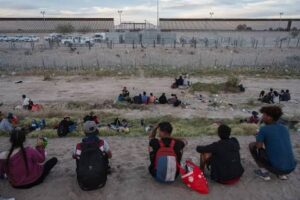
While border encounters may decline under tougher policies, humanitarian challenges persist. Migrants stranded in border regions often face dangerous conditions, including exposure to crime, lack of shelter, and limited access to healthcare. Families with children are particularly vulnerable.
Non-governmental organizations and aid groups report rising demand for services even as funding and access become more constrained. The burden frequently shifts to border towns and transit countries, which must manage large populations with limited resources.
Inside the United States, immigrant communities experience heightened fear and uncertainty. Even individuals with legal status may avoid public services or reporting crimes due to concerns about enforcement spillover. Employers in agriculture, construction, and service industries warn of labor shortages as enforcement intensifies.
Political and Legal Pushback
The border crackdown has sparked strong political reactions across the country. Supporters praise the administration for restoring control and enforcing the law. They argue that previous policies encouraged irregular migration and strained public services.
Opponents, including civil rights groups and some state governments, have mounted legal challenges against specific enforcement measures. Courts have already blocked or paused certain provisions, particularly those related to funding penalties and procedural rights.
Public protests have erupted in multiple cities, reflecting deep divisions over immigration’s role in American society. The issue remains a defining fault line in national politics, influencing elections, legislative debates, and foreign relations.
International Implications
U.S. border policy does not exist in isolation. Neighboring countries are deeply affected by shifts in enforcement. Mexico, in particular, faces increased pressure to control migration flows and host displaced populations. Central American nations confront the return of deported citizens without sufficient reintegration support.
Diplomatic negotiations over migration management have intensified, with security cooperation increasingly tied to trade, aid, and political relationships. The U.S. approach also influences how other countries design their own border and asylum policies, contributing to a global trend toward restriction.
Measuring Success: Numbers vs. Outcomes
Officials point to declining border crossings as evidence that the crackdown is working. Indeed, encounters in some sectors have dropped sharply compared to previous years. However, experts caution that numbers alone do not capture the full picture.
Migration is cyclical and responsive to many factors, including economic conditions, violence, and climate events. A reduction at one border may simply shift movement elsewhere rather than resolve underlying drivers.
Long-term success, analysts argue, depends on balancing enforcement with legal pathways, regional cooperation, and development initiatives that address root causes of migration.
The Road Ahead
The tightening of the U.S. border marks a pivotal moment in immigration policy. It reflects a clear choice to prioritize control and deterrence, even at the cost of humanitarian flexibility. Whether this approach proves sustainable remains uncertain.
Legal challenges, political changes, and global instability will continue to shape outcomes. Migrants will keep adapting, smugglers will evolve, and border communities will remain on the front lines of policy decisions made far from their homes.
As new orders roll out and migration routes shift, the U.S. border stands not only as a physical boundary but as a symbol of broader debates over security, identity, and responsibility in an interconnected world.
How useful was this post?
Click on a star to rate it!
Average rating 0 / 5. Vote count: 0
No votes so far! Be the first to rate this post.
About the Author

usa5911.com
Administrator
Hi, I’m Gurdeep Singh, a professional content writer from India with over 3 years of experience in the field. I specialize in covering U.S. politics, delivering timely and engaging content tailored specifically for an American audience. Along with my dedicated team, we track and report on all the latest political trends, news, and in-depth analysis shaping the United States today. Our goal is to provide clear, factual, and compelling content that keeps readers informed and engaged with the ever-changing political landscape.