Ukraine peace talks soon: US, Russia pressure rises
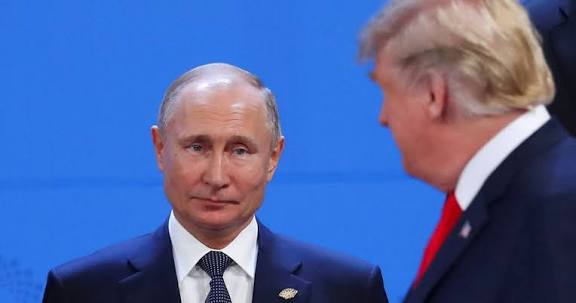
Zelensky says the issue of territorial control is painful, but he believes Ukrainians should decide on concessions. Today we will discuss about Ukraine peace talks soon: US, Russia pressure rises
Ukraine peace talks soon: US, Russia pressure rises
As the war between Russia and Ukraine stretches into another exhausting year, diplomatic pressure is once again building around the possibility of peace talks. After years of intense fighting, failed negotiations, and deepening global consequences, signs are emerging that Ukraine peace talks may begin soon, driven largely by renewed pressure from the United States and Russia.
While no formal agreement has been announced, recent diplomatic signals suggest that behind-the-scenes discussions are accelerating. The stakes are enormous — not only for Ukraine and Russia, but for global security, energy markets, and international political stability.
A War That Reshaped the World
Since Russia launched its full-scale invasion of Ukraine in early 2022, the conflict has become one of the most consequential wars of the 21st century. Entire cities have been reduced to rubble, millions of Ukrainians have been displaced, and tens of thousands of lives have been lost on both sides.
The war has also reshaped global geopolitics. NATO has expanded, defense spending has surged worldwide, and energy and food supply chains have faced repeated shocks. Despite multiple rounds of diplomacy over the years, no lasting ceasefire or peace agreement has been achieved.
As military momentum fluctuates and fatigue sets in, international pressure for a negotiated settlement is intensifying.
Why Peace Talks Are Back on the Table
Rising Diplomatic Momentum
Recent months have seen a renewed push by major global powers to revive peace talks. Senior officials from the United States have increased engagement with Ukrainian leaders while also signaling to Moscow that diplomatic channels remain open.
At the same time, Russia has publicly acknowledged preparations for discussions with Western officials, indicating a willingness — at least in principle — to explore political solutions alongside military strategy.
This convergence has fueled speculation that formal peace talks could begin sooner rather than later.
The United States: Balancing Pressure and Mediation
Washington’s Strategic Role
The United States has been Ukraine’s most important military and financial supporter since the start of the war. However, Washington is now increasingly focused on finding a diplomatic off-ramp that prevents further escalation while safeguarding Ukraine’s sovereignty.
American officials are reportedly working on revised peace frameworks that aim to balance realism with principle — encouraging dialogue without forcing Ukraine into unacceptable concessions.
Sanctions as Leverage
At the same time, the U.S. has made it clear that diplomacy comes with consequences. Washington continues to signal that economic and political pressure on Russia will intensify if Moscow refuses serious negotiations or escalates the conflict further.
This dual strategy — offering talks while maintaining pressure — is designed to push all sides toward compromise.
Russia’s Position: Openness or Delay?
Moscow Signals Willingness
Russia has recently acknowledged that discussions with the United States and other international actors are being prepared. This has been interpreted by some as a sign that Moscow recognizes the long-term costs of the conflict.
However, skepticism remains high. Many analysts believe Russia may be using peace rhetoric tactically — to ease international pressure or gain time — rather than genuinely seeking compromise.
Firm Conditions From the Kremlin
Russia’s demands remain largely unchanged. These include recognition of territorial gains, limits on Ukraine’s military partnerships, and restrictions on NATO’s presence in Eastern Europe.
Such conditions are unacceptable to Ukraine and most of its allies, making meaningful negotiations extremely difficult.
Ukraine’s Stance: Peace Without Surrender
Kyiv’s Red Lines
Ukraine has consistently stated that peace cannot come at the cost of its sovereignty. President Volodymyr Zelenskyy has emphasized that any agreement must respect Ukraine’s territorial integrity, including regions currently occupied by Russian forces.
While Kyiv remains open to dialogue, it has rejected proposals that would freeze the conflict or legitimize territorial loss.
Domestic and Military Pressure
Inside Ukraine, the pressure is immense. The population is weary of war, but also deeply resistant to surrender. Ukrainian leaders must balance the desire for peace with the political and moral obligation to defend national independence.
This makes negotiations particularly sensitive, as even small concessions could spark domestic backlash.
Europe’s Role: Unity Under Strain
European nations have played a critical role in supporting Ukraine diplomatically, militarily, and economically. However, as the war drags on, differences within Europe are becoming more visible.
Some governments favor a faster diplomatic solution to reduce economic strain and security risks, while others warn against premature talks that could reward aggression.
Despite these differences, Europe broadly agrees on one point: any peace deal must be sustainable and enforceable.
Key Obstacles to a Peace Agreement
Territorial Disputes
The question of territory remains the biggest obstacle. Russia’s insistence on holding occupied regions clashes directly with Ukraine’s insistence on full restoration of its borders.
This issue alone has derailed multiple past negotiation efforts.
Security Guarantees
Ukraine seeks strong international security guarantees to prevent future invasions. Russia, meanwhile, strongly opposes any arrangement that deepens Ukraine’s ties with Western military alliances.
Finding a compromise on security arrangements remains one of the most complex challenges in peace talks.
Trust Deficit
Years of broken agreements, ongoing fighting, and mutual accusations have destroyed trust between the parties. Without credible enforcement mechanisms, even a signed agreement would face serious implementation risks.
Military Reality on the Ground
Diplomacy is unfolding against the backdrop of continued fighting. Both sides continue to conduct military operations, and neither has achieved a decisive breakthrough.
This military stalemate increases pressure for talks but also hardens negotiating positions, as neither side wants to appear weak at the table.
Possible Scenarios Ahead
1. Limited Ceasefire
One possibility is a temporary ceasefire focused on humanitarian relief, prisoner exchanges, or rebuilding damaged infrastructure. While not a full peace deal, such measures could build confidence.
2. Gradual Negotiations
Another scenario involves incremental talks addressing smaller issues first before tackling core disputes like territory and security.
3. Comprehensive Peace Conference
A broader international conference involving Ukraine, Russia, the United States, and European powers could attempt to craft a long-term settlement. This is the most ambitious — and most difficult — path forward.
Global Implications of Peace Talks
Energy and Economy
Any progress toward peace would have immediate effects on global energy markets, food prices, and inflation. Investors and governments worldwide are closely watching diplomatic developments.
Geopolitical Stability
A negotiated settlement could reduce tensions between nuclear-armed powers and help stabilize Europe’s security architecture.
Conversely, failed talks could deepen divisions and escalate the conflict further.
Conclusion: A Fragile Opening for Peace
The possibility that Ukraine peace talks may begin soon reflects growing pressure from both the United States and Russia, as well as mounting war fatigue across the globe. However, optimism must be tempered by realism.
Deep disagreements over territory, security, and trust remain unresolved. While diplomacy is gaining momentum, the road to peace is narrow and uncertain.
The coming weeks may prove decisive. Either they mark the beginning of a genuine diplomatic breakthrough — or another missed opportunity in a war that has already reshaped the modern world.
How useful was this post?
Click on a star to rate it!
Average rating 0 / 5. Vote count: 0
No votes so far! Be the first to rate this post.
About the Author

usa5911.com
Administrator
Hi, I’m Gurdeep Singh, a professional content writer from India with over 3 years of experience in the field. I specialize in covering U.S. politics, delivering timely and engaging content tailored specifically for an American audience. Along with my dedicated team, we track and report on all the latest political trends, news, and in-depth analysis shaping the United States today. Our goal is to provide clear, factual, and compelling content that keeps readers informed and engaged with the ever-changing political landscape.