Ukraine Crisis Today: Military Momentum, US Decision Point, or New Phase
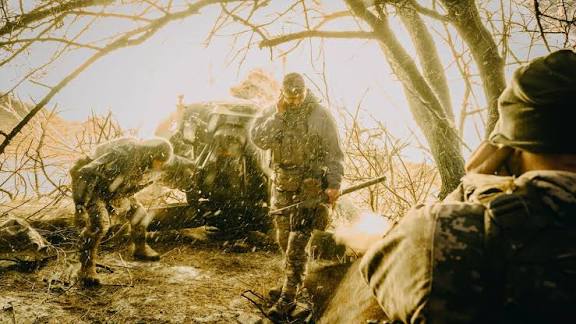
Ukraine won few concessions in the latest version of the US-led draft plan to end Russian aggression, President Volodymyr Zelensky revealed. Today we will discuss about Ukraine Crisis Today: Military Momentum, US Decision Point, or New Phase
Ukraine Crisis Today: Military Momentum, US Decision Point, or New Phase
The Ukraine crisis has entered one of its most complex and uncertain chapters since the war began. Nearly four years after Russia launched its full-scale invasion, the conflict remains unresolved, but it is no longer defined solely by battlefield movements. Instead, military momentum, diplomatic maneuvering, economic survival, and political calculations—especially in Washington—are now tightly intertwined. As Ukraine defends its sovereignty under relentless pressure, the world is watching closely to see whether this moment signals a turning point, a prolonged stalemate, or the emergence of an entirely new phase of the war.
The central question dominating global debate is no longer just who controls territory today, but what shape the conflict will take tomorrow. Will sustained military resistance shift the balance? Will the United States redefine its role? Or will negotiations—however fragile—reshape the future of Eastern Europe?
A War That Has Changed in Character
The Ukraine war of today looks very different from the dramatic opening months of 2022. Gone are the rapid advances and sweeping offensives that once defined headlines. In their place is a grinding conflict marked by incremental gains, technological adaptation, and exhaustion on both sides.
The front lines stretch across eastern and southern Ukraine, where fighting remains intense but often localized. Urban centers, industrial zones, and transport corridors have become focal points of sustained combat. Russian forces continue to push in select areas, while Ukrainian troops defend entrenched positions, seeking to prevent further territorial loss and maintain strategic depth.
This phase of the war is less about dramatic breakthroughs and more about endurance—of soldiers, civilians, economies, and political will.
Military Momentum: Progress or Paralysis?

Russia’s Strategy of Pressure
Russia’s military approach has evolved into one of sustained pressure rather than rapid conquest. By combining ground assaults with long-range missile and drone strikes, Moscow aims to wear down Ukraine’s defenses and undermine civilian morale. Critical infrastructure—especially energy facilities—has been repeatedly targeted, particularly during colder months when power disruptions cause maximum hardship.
These attacks serve multiple purposes: disrupting military logistics, straining the economy, and sending a signal that Ukraine cannot fully shield its population despite Western support. While Russian forces have achieved limited territorial advances, the cost has been high, and progress has often come in meters rather than kilometers.
Ukraine’s Defensive Adaptation
Ukraine, meanwhile, has adapted to a war of attrition. Its military strategy emphasizes defense, flexibility, and precision. Ukrainian forces rely heavily on drones, intelligence sharing, and targeted strikes to disrupt Russian supply lines and command centers. Rather than attempting risky large-scale offensives, Ukraine has focused on preserving manpower and maximizing the effectiveness of limited resources.
This approach has slowed Russian advances but has not fundamentally altered the battlefield balance. The result is a tense equilibrium—one where neither side can decisively win, yet neither is willing or able to disengage.
Civilian Life Under Constant Strain
Perhaps the most devastating aspect of the war’s current phase is its impact on civilians. Even when front lines remain static, the conflict reaches deep into daily life across Ukraine.
Cities experience rolling blackouts, disrupted water supplies, and damaged housing. Millions have been displaced internally or forced to seek refuge abroad. Schools operate intermittently, hospitals function under strain, and entire communities live with the constant threat of aerial attacks.
Despite these hardships, Ukrainian society has shown remarkable resilience. Local governments, volunteer networks, and civil organizations have stepped in to provide aid, repair infrastructure, and support displaced families. This societal endurance has become a crucial element of Ukraine’s overall resistance, reinforcing national unity even as the war drags on.
Diplomacy Re-Emerges: A Search for an Exit
As military momentum remains limited, diplomacy has returned to the forefront of international efforts. Ukraine has signaled openness to structured peace discussions—without abandoning its core principles of sovereignty and territorial integrity.
Ukraine’s Peace Vision
Kyiv’s current diplomatic framework emphasizes several key points:
Recognition of Ukraine’s sovereignty and internationally recognized borders
Security guarantees to prevent future aggression
A structured process for post-war reconstruction and economic recovery
Accountability mechanisms for war-related destruction
This vision reflects Ukraine’s insistence that peace must be durable, not merely a pause in fighting that allows future conflict to reignite.
The Challenge of Compromise
The most difficult obstacle remains territory. Large portions of eastern and southern Ukraine remain under Russian control, and any proposal involving demilitarized zones or temporary arrangements carries significant political and emotional weight.
Ukrainian leadership faces a delicate balancing act: engaging in diplomacy without appearing to concede national principles. Public opinion inside Ukraine remains deeply resistant to any settlement that legitimizes occupation without clear guarantees.
The United States: A Strategic Decision Point
No external actor has more influence over Ukraine’s future than the United States. American military aid, diplomatic leadership, and economic support have been central to Ukraine’s ability to sustain resistance.
Shifting Priorities in Washington
As the war enters a prolonged phase, U.S. policymakers face mounting questions at home. Concerns over spending, global commitments, and domestic priorities have intensified debates about the long-term scope of American involvement.
While the United States continues to support Ukraine, the tone has shifted from open-ended backing toward a more results-oriented approach. There is growing emphasis on defining objectives, timelines, and potential off-ramps.
This does not mean abandonment—but it does suggest recalibration.
Pressure and Leverage
Washington’s influence gives it leverage in shaping diplomatic efforts. Some voices advocate using aid as a tool to strengthen Ukraine’s negotiating position. Others argue that U.S. leadership should prioritize ending the conflict, even if that requires difficult compromises.
This internal debate has direct consequences for Kyiv. Ukraine must navigate alliance politics carefully, maintaining support while safeguarding its own red lines.
Europe’s Role: United, Yet Uneasy
European nations remain deeply invested in Ukraine’s survival, both morally and strategically. The war has reshaped European security thinking, increased defense spending, and reinforced the importance of collective deterrence.
However, unity is not without strain. Economic pressures, energy concerns, and political changes across Europe have produced varying levels of urgency and risk tolerance. While support for Ukraine remains strong, European leaders are increasingly focused on preventing escalation and managing long-term stability.
This dynamic adds another layer of complexity to negotiations, as Ukraine balances expectations from both sides of the Atlantic.
Economic Survival Amid War
Beyond military and diplomatic fronts, Ukraine’s economic resilience has become a quiet but crucial battlefield.
Years of war have devastated industry, agriculture, and trade. Government revenues have shrunk while military and social spending has soared. Managing debt, securing foreign assistance, and maintaining basic services are ongoing challenges.
Recent financial restructuring efforts have provided some breathing room, stabilizing state finances and signaling confidence to international partners. Yet true recovery depends on peace—or at least a significant reduction in hostilities.
Reconstruction costs are expected to be enormous, requiring long-term commitments from global institutions and donor nations.
Three Possible Paths Forward
As the conflict stands today, three broad scenarios appear plausible:
1. Prolonged Stalemate
The most likely near-term outcome is continued stalemate. Fighting persists at varying intensities, diplomacy inches forward without resolution, and civilians continue to bear the burden. This scenario risks entrenching divisions and prolonging instability across the region.
2. Negotiated Transition
A second possibility is a gradual move toward a negotiated settlement. This would involve phased agreements, security guarantees, and international oversight. While politically challenging, this path could reduce violence and open the door to reconstruction.
3. Strategic Shift
A major change in U.S. or European policy—either increased support or pressure for compromise—could reshape the conflict dramatically. Such a shift could either strengthen Ukraine’s hand or force difficult decisions with lasting consequences.
Conclusion: A Defining Moment Approaches
The Ukraine crisis today is no longer defined by shock and surprise, but by endurance and choice. Military momentum exists, but it is limited. Diplomacy is active, but fragile. The United States stands at a strategic crossroads, weighing its commitments against broader global responsibilities.
For Ukraine, the stakes remain existential. Every decision—on the battlefield, at the negotiating table, or in alliance coordination—carries long-term consequences for sovereignty, security, and national identity.
Whether this moment becomes a turning point, a pause, or the beginning of a new phase will depend not only on military outcomes, but on political courage, diplomatic skill, and sustained international engagement. One thing is certain: the Ukraine crisis remains a defining test for the global order—and its resolution will shape the future far beyond Ukraine’s borders.
How useful was this post?
Click on a star to rate it!
Average rating 0 / 5. Vote count: 0
No votes so far! Be the first to rate this post.
About the Author

usa5911.com
Administrator
Hi, I’m Gurdeep Singh, a professional content writer from India with over 3 years of experience in the field. I specialize in covering U.S. politics, delivering timely and engaging content tailored specifically for an American audience. Along with my dedicated team, we track and report on all the latest political trends, news, and in-depth analysis shaping the United States today. Our goal is to provide clear, factual, and compelling content that keeps readers informed and engaged with the ever-changing political landscape.