Trump pressure builds : DOJ move sparks fresh outrage
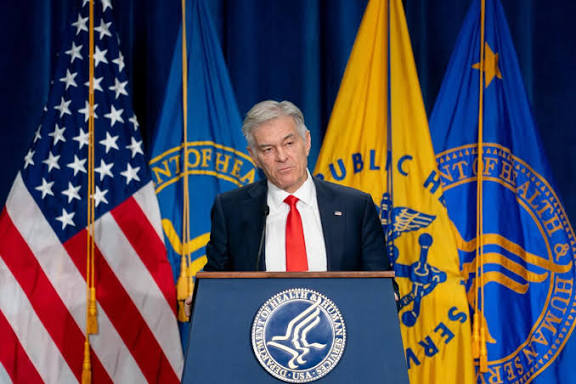
Trump is increasing foreign pressure – seizing a tanker and warning Colombia – while criticizing Powell. Today we will discuss about Trump pressure builds : DOJ move sparks fresh outrage
Trump pressure builds : DOJ move sparks fresh outrage
Pressure on President Donald Trump and the U.S. Department of Justice has intensified following a controversial DOJ move that reignited public anger, bipartisan criticism, and renewed debates over transparency, accountability, and the independence of America’s legal institutions. What began as a legally mandated document release has now evolved into a broader political and institutional crisis, placing the Justice Department under an unforgiving spotlight and deepening the already tense political climate in Washington.
At the center of the controversy lies the Department of Justice’s handling of documents connected to the late financier Jeffrey Epstein, a convicted sex offender whose ties to powerful figures have long fueled conspiracy theories and public distrust. The DOJ’s actions — releasing heavily redacted files, briefly removing sensitive materials, and restoring them only after public backlash — have sparked accusations of political interference and favoritism, adding yet another layer of pressure on an administration already navigating multiple legal and ethical challenges.
A Release That Triggered a Firestorm
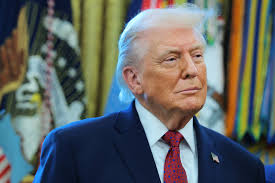
In late 2025, the Department of Justice released a massive collection of records related to Jeffrey Epstein following the passage of a transparency law designed to ensure public access to documents connected to his crimes and associates. The release included tens of thousands of pages of investigative material, flight logs, photographs, and internal correspondence compiled over several decades.
While the sheer volume of material suggested compliance, critics quickly pointed out that many documents were heavily redacted or missing key information. Lawmakers from both parties accused the DOJ of offering a symbolic release rather than genuine transparency. Instead of calming public suspicion, the move intensified demands for full disclosure and accountability.
The situation escalated dramatically when several items were quietly removed from the DOJ’s online archive shortly after publication. Among them were photographs showing Epstein in social settings with prominent individuals, including President Trump and his family at Mar-a-Lago during the 1990s. Although such images had circulated publicly before, their sudden removal from an official government archive raised immediate alarm.
The DOJ later restored the materials, stating that the removal was temporary and intended to ensure that no crime victims were inadvertently identified. However, the damage was already done. To critics, the explanation rang hollow, reinforcing perceptions that political considerations were influencing legal decisions.
Bipartisan Anger and Congressional Pushback
Rarely does Washington witness genuine bipartisan outrage, but the DOJ’s handling of the document release managed to unite lawmakers across ideological lines. Both Democrats and Republicans accused the department of undermining the law’s intent and eroding public trust.
Several members of Congress warned that failure to fully comply with the transparency mandate could result in formal enforcement actions, including contempt proceedings against DOJ officials. Others suggested that continued resistance could provoke a constitutional clash between the legislative and executive branches.
For many lawmakers, the issue was no longer about Epstein alone. It had become a test of whether laws passed by Congress would be faithfully executed, regardless of political inconvenience. The perception that the DOJ might be shielding powerful figures — including the sitting president — transformed the controversy into a broader institutional crisis.
Trump’s Response and Public Narrative
President Trump has repeatedly denied any wrongdoing or inappropriate relationship with Epstein. He has stated that he severed ties with Epstein years before Epstein’s criminal activities became public and emphasized that he never visited Epstein’s private island, which has become synonymous with the trafficking allegations.
Trump’s defenders argue that photographs from social events decades ago do not imply criminal conduct and accuse political opponents of exploiting Epstein’s crimes for partisan gain. Supporters also point out that Trump cooperated with law enforcement during earlier investigations involving Epstein.
Nevertheless, critics argue that the optics matter. In an era of declining trust in institutions, even the appearance of preferential treatment can undermine confidence. The brief removal of materials involving Trump, regardless of intent, reinforced suspicions that the DOJ was acting with caution not applied equally to all individuals.
A Justice Department Under Internal Strain
The Epstein document controversy unfolded against a backdrop of deeper turmoil within the Department of Justice. Over the past year, the department has experienced a significant departure of career attorneys, particularly in divisions traditionally tasked with civil rights enforcement and public integrity.
Many departing officials cited concerns over political pressure, shifting priorities, and what they described as an erosion of professional independence. Some alleged that leadership changes had redirected the department’s focus away from long-standing missions toward politically charged objectives aligned with the administration’s agenda.
Such departures carry serious implications. Career prosecutors provide institutional memory, legal expertise, and continuity across administrations. Their exit not only weakens the department’s capacity but also signals internal dissatisfaction that can spill into the public sphere.
Claims of Political Interference
Beyond staffing challenges, the DOJ has faced repeated allegations of political interference in sensitive cases. Reports of internal disputes over whether to pursue or abandon high-profile investigations have fueled claims that prosecutorial decisions are increasingly influenced by political considerations.
In some instances, prosecutors reportedly resisted pressure to alter charging decisions, leading to internal conflict and resignations. Critics argue that such episodes undermine the principle that justice should be blind — applied consistently, regardless of political implications.
The administration’s defenders counter that elected leaders have a legitimate role in setting enforcement priorities. They argue that accusations of “politicization” often mask disagreements over policy direction rather than improper conduct. Still, the cumulative effect of repeated controversies has amplified public skepticism.
Weaponization and Counter-Weaponization
Adding to the complexity is the creation of internal DOJ units designed to review claims of politically motivated prosecutions. While intended to prevent misuse of legal authority, these efforts themselves have drawn criticism.
Opponents argue that initiatives framed as preventing “weaponization” risk becoming tools of selective enforcement. When investigations focus disproportionately on political opponents or critics, even under the guise of oversight, the distinction between accountability and retaliation becomes blurred.
This dynamic has intensified concerns that the DOJ is being drawn deeper into partisan conflict, threatening its credibility as an impartial institution.
Legal Missteps and Eroding Confidence
Courts have also played a role in highlighting challenges within the DOJ. Several high-profile cases have been dismissed or criticized due to procedural errors, insufficient evidence, or flawed legal strategies. Judges have openly questioned prosecutorial conduct in certain instances, further eroding confidence.
Such setbacks carry consequences beyond individual cases. Each judicial rebuke fuels narratives of incompetence or bias, weakening the department’s standing and complicating future prosecutions. In politically sensitive times, even routine mistakes are magnified and interpreted through a partisan lens.
The Broader Impact on American Democracy
The controversy surrounding the Epstein files and the DOJ’s conduct reflects deeper tensions within American democracy. At stake is not only the reputation of a single department, but the principle that institutions must operate independently of political power.
Public trust in the justice system is fragile. When citizens believe that laws are enforced selectively or that transparency is compromised to protect elites, cynicism grows. This erosion of trust can discourage civic engagement, weaken respect for the rule of law, and deepen polarization.
The episode also raises important questions about precedent. How future administrations handle politically sensitive disclosures may depend on how this moment is judged. If partial compliance and delayed transparency become normalized, legislative oversight itself could be weakened.
A Department at a Defining Moment
As pressure mounts, the Department of Justice faces a defining moment. Its response will shape not only public perception but also its internal culture and long-term credibility. Full transparency, consistent enforcement, and clear communication could help restore trust. Continued ambiguity and controversy, however, risk deepening institutional damage.
For President Trump, the controversy adds to a growing list of challenges that blur the line between political leadership and personal legal scrutiny. Whether the outrage subsides or escalates may depend on upcoming disclosures, congressional actions, and judicial rulings.
Conclusion
“Trump Pressure Builds: DOJ Move Sparks Fresh Outrage” is more than a headline — it captures a moment of institutional reckoning. The DOJ’s handling of sensitive disclosures has exposed fault lines in governance, accountability, and public trust. While the immediate controversy centers on Epstein-related files, the broader implications reach far beyond a single case.
As Washington grapples with rising polarization and skepticism, the independence of the justice system remains a cornerstone of democratic stability. Whether that cornerstone is reinforced or further weakened will depend on how leaders respond to this crisis — not with defensiveness or delay, but with transparency, integrity, and respect for the rule of law.
How useful was this post?
Click on a star to rate it!
Average rating 0 / 5. Vote count: 0
No votes so far! Be the first to rate this post.
About the Author

usa5911.com
Administrator
Hi, I’m Gurdeep Singh, a professional content writer from India with over 3 years of experience in the field. I specialize in covering U.S. politics, delivering timely and engaging content tailored specifically for an American audience. Along with my dedicated team, we track and report on all the latest political trends, news, and in-depth analysis shaping the United States today. Our goal is to provide clear, factual, and compelling content that keeps readers informed and engaged with the ever-changing political landscape.