Trump Parks Pass Chaos : Altered Cards Rejected, Lawsuits
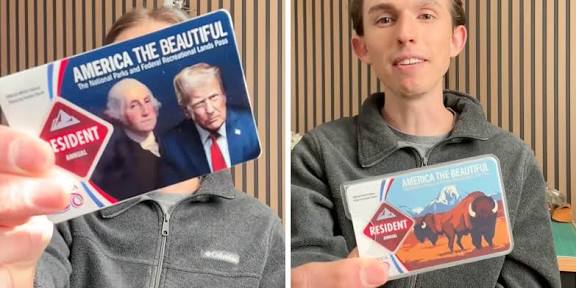
“Trump Parks Pass Chaos” involves the controversy over the 2026 America the Beautiful Pass featuring President Trump’s image. Today we will discuss about Trump Parks Pass Chaos : Altered Cards Rejected, Lawsuits
Trump Parks Pass Chaos : Altered Cards Rejected, Lawsuits
The United States National Parks system, long regarded as a neutral symbol of natural beauty and shared heritage, has found itself at the center of an unexpected political and legal storm. The controversy, now widely referred to as “Trump Parks Pass Chaos,” erupted after a redesigned annual parks pass featuring former President Donald Trump’s portrait began circulating nationwide. What followed was a wave of public backlash, altered passes being rejected at park entrances, strict enforcement policies, and multiple lawsuits challenging the legality of the design.
This situation has transformed a simple access card into a national debate over free expression, government authority, and the politicization of public lands.
Background: What Is the National Parks Pass?
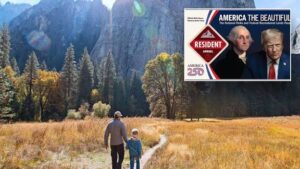
The America the Beautiful Annual Pass allows entry to over 2,000 federally managed recreation sites, including national parks, monuments, wildlife refuges, and forests. Traditionally, the pass design highlights scenic landscapes, wildlife photography, or iconic natural features. The purpose has always been to promote conservation, tourism, and unity around America’s shared natural heritage.
For decades, the images were selected through public photography competitions or neutral design panels, ensuring that no political or partisan symbolism appeared on the card.
The Design That Sparked Controversy
In late 2025, the Department of the Interior unveiled a redesigned 2026 parks pass. For the first time in history, it displayed a large portrait of former President Donald Trump alongside a historical image of George Washington. The change immediately drew criticism for breaking with long-standing tradition and introducing political imagery into a space many believe should remain apolitical.
Supporters argued the design honored presidential leadership. Critics countered that it violated federal recreation laws, bypassed required public image selection processes, and turned a conservation symbol into a political statement.
Public Backlash and the “Sticker Protest”
Soon after the passes went into circulation, visitors began covering Trump’s image with:
Landscape stickers
Wildlife decals
Tape
Marker ink
Printed scenic photos
This movement quickly went viral and became known as the “Sticker Protest.” Many participants said they were not defacing government property but reclaiming the pass as a symbol of nature rather than politics.
Outdoor groups, artists, and conservation activists began selling custom-sized scenic stickers, with proceeds often donated to environmental charities.
Altered Cards Rejected at Park Gates
The situation escalated when park authorities announced that any altered pass could be declared invalid. Rangers were instructed that:
Covering the image with a sticker
Writing on the card
Placing tape or film over the portrait
Scratching or marking the surface
could result in the pass being rejected.
Visitors arriving with modified cards were:
Denied entry
Asked to purchase daily tickets
Required to buy a replacement pass
Warned that further defacement could be treated as misuse of federal property
This led to long lines, arguments at entry gates, and confusion among both staff and tourists.
Legal Challenges and Lawsuits
Environmental organizations and civil rights groups soon filed lawsuits in federal court, arguing that:
Federal law requires public image selection.
The annual pass design is supposed to come from a public competition or non-political selection process.The design violates neutrality standards.
Using a living political figure’s portrait on a mandatory access document was said to breach ethical and administrative rules.Free speech concerns.
Denying entry to visitors for covering a political image may violate constitutional protections.Misuse of public branding.
Public lands belong to all Americans, not to any political administration.
The lawsuits seek court orders to:
Remove the presidential image from future passes
Restore the traditional landscape design process
Prevent enforcement actions against sticker-covered cards
Declare the altered-pass rejection policy unconstitutional
Impact on National Park Operations
The controversy has placed frontline park workers in a difficult position. Rangers now must:
Inspect passes for alterations
Enforce rules they did not create
Handle emotionally charged confrontations
Balance visitor satisfaction with federal compliance
Some staff have expressed concern that enforcement makes them appear politically biased, even though they are simply following agency directives.
Operational challenges include:
Slower entry processing
Increased complaints
Negative visitor experiences
Media scrutiny at major parks
Political and Cultural Implications
The Trump Parks Pass Chaos has raised broader questions:
Should government access cards ever display political leaders?
Can public lands remain politically neutral?
Where is the line between protest and defacement?
How much control should agencies have over symbolic expression?
Supporters of the design argue it represents leadership recognition. Opponents see it as a dangerous precedent that could allow every future administration to imprint partisan symbols onto public resources.
Economic and Tourism Effects
Some travelers have reported canceling trips or choosing private recreation sites instead of national parks due to:
Fear of pass rejection
Discomfort with politicized symbols
Uncertainty over enforcement rules
Tourism groups worry the controversy could discourage international visitors who expect U.S. national parks to remain politically neutral spaces.
What Happens Next?
Several outcomes are possible:
Court-Ordered Redesign
A judge may require the government to revert to landscape imagery and reinstate public photo competitions.Policy Reversal
A future administration could remove the presidential portrait voluntarily.Permanent Precedent
If upheld, future passes may continue featuring political figures, reshaping how federal programs are branded.Expanded Legal Rulings
The case could influence how free speech and expression apply to government-issued identification and access cards.
Conclusion
The Trump Parks Pass Chaos has transformed a simple annual access card into a national flashpoint involving law, politics, free expression, and the identity of America’s public lands. Altered cards being rejected, visitors turned away, and lawsuits challenging federal authority have turned park entrances into unexpected battlegrounds in a wider cultural debate.
At its core, the controversy asks a powerful question:
Should the nation’s most treasured natural spaces remain symbols of unity, or are they becoming tools in political identity battles?
As courts deliberate and policies evolve, one thing is clear—the future design of the National Parks Pass will now carry far greater significance than ever before.
How useful was this post?
Click on a star to rate it!
Average rating 0 / 5. Vote count: 0
No votes so far! Be the first to rate this post.
About the Author

usa5911.com
Administrator
Hi, I’m Gurdeep Singh, a professional content writer from India with over 3 years of experience in the field. I specialize in covering U.S. politics, delivering timely and engaging content tailored specifically for an American audience. Along with my dedicated team, we track and report on all the latest political trends, news, and in-depth analysis shaping the United States today. Our goal is to provide clear, factual, and compelling content that keeps readers informed and engaged with the ever-changing political landscape.