Trump Optimistic After Zelenskyy Meeting : peace talks, momentum

Trump insists he believes Putin still wants peace, even as Russia launches another round of attacks on Ukraine while Zelensky remains. Today we will discuss about Trump Optimistic After Zelenskyy Meeting : peace talks, momentum
Trump Optimistic After Zelenskyy Meeting : peace talks, momentum
In late December 2025, U.S. President Donald Trump hosted Ukrainian President Volodymyr Zelenskyy at his Mar‑a‑Lago estate in Florida for what may be one of the most consequential diplomatic engagements since the start of Russia’s full‑scale invasion of Ukraine in early 2022. The meetings, part of a renewed push to bring the war toward a political conclusion, were characterized by cautious optimism, substantive discussions around a peace framework, and an acknowledgment of the persistent obstacles that lie ahead.
Both leaders emerged from the talks projecting hope that a negotiated peace could be within reach. Trump’s upbeat tone signaled a renewed momentum in diplomatic efforts that had, at times, appeared stalled amidst persistent conflict on the battlefield and sharply divergent positions on core issues. Sources from the event underscored that while major disagreements remain—especially over territory and security arrangements—progress on a peace plan has been significant and merits close attention from policymakers, analysts, and global audiences alike.
A Pivotal Moment in Peace Diplomacy
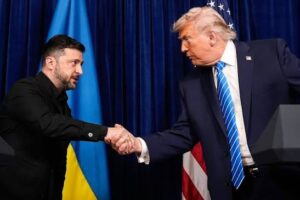
The December 28 meeting at Mar‑a‑Lago was not the first time Trump and Zelenskyy have sat down together in 2025, but it was unequivocally one of the most intense and substantive. Standing side by side at a press briefing following their discussions, Trump asserted that Ukraine and Russia were “closer than ever” to a peace agreement, framing the negotiations as more advanced than they had been at nearly any previous juncture in the four‑year conflict.
Zelenskyy, for his part, described the dialogue as “excellent” and highlighted that nearly all aspects of the peace framework had been thoroughly reviewed. A key feature of the talks was a revised 20‑point peace plan being discussed by U.S. and Ukrainian negotiators—a document that Zelenskyy suggested was “90 percent” complete.
This emphasis on structure and specificity broke with much of the vagueness that had defined earlier peace proposals, suggesting these latest discussions may reflect a more evolved phase in the diplomatic process.
What’s in the Peace Framework? Security, Sovereignty, and Guarantees
At the heart of the renewed optimism are two core pillars of Trump’s approach: security guarantees for Ukraine and a political compromise that could, in theory, satisfy both Kyiv and Moscow sufficiently to end hostilities.
Security Guarantees
Security guarantees were elevated as a top priority by Zelenskyy during the talks. Ukraine explicitly sought durable and long-term security assurances from the United States and its allies—possibly spanning decades—as a deterrent against future aggression following any peace settlement.
In response, the U.S. proposed a 15‑year security guarantee, which would resemble protective commitments similar to those found in NATO treaty structures. While the exact mechanisms and military implications of these guarantees remain subject to detailed negotiation, they represent a strategic effort to reassure Ukraine’s leadership that their sovereignty will not be put at risk after a peace deal is signed.
Zelenskyy, however, pushed for even stronger commitments—arguing that a longer timeline (potentially 30 to 50 years) is necessary to deter future aggression effectively. Trump agreed to consider this request, reflecting a willingness to engage deeply on the substance of Ukraine’s long‑term security concerns.
Territorial Disputes: The Toughest Hurdle
Despite the progress reported, no peace negotiation can avoid the most sensitive issue: territorial control and sovereignty. Russia’s demands for recognition of territorial gains—particularly in eastern Ukraine’s Donbas region and the strategically vital Zaporizhzhia nuclear power plant area—remain a core sticking point between Moscow and Kyiv.
Trump acknowledged that this question was among the most “thorny” or “tough” issues in the talks, but voiced his belief that it can be resolved with continued negotiation.
Ukraine has floated proposals for demilitarized free economic zones in contested areas, a concept that might preserve sovereign claims while reducing military friction. Yet Russia continues to demand full recognition of territorial acquisitions, including in regions that Ukraine and much of the international community regard as illegally occupied.
The territorial dilemma, more than any other component of the peace process, underscores the complexity of reconciling national pride, international law, and security imperatives.
The Role of Europe and NATO Perspectives
The Trump‑Zelenskyy meeting did not occur in isolation. A follow-up call involving key European leaders—including French President Emmanuel Macron and UK Prime Minister Sir Keir Starmer—pointed to the broader multilateral dimensions of the negotiations.
European allies have publicly supported the momentum generated by this diplomatic push, urging for robust security guarantees and continued alignment in the peace process. Leaders in the European Union have indicated that any potential ending of the conflict must be accompanied by comprehensive safeguards that protect territorial integrity and deter future aggression.
Yet, Europe also faces its own internal strategic and political dilemmas. While the United States can project diplomatic influence and offer security guarantees, European nations must continue to balance their defense commitments, economic consequences of the war, and domestic public opinion in shaping a coherent, long-term peace strategy.
Putin’s Position: Cautious and Calculating
While Trump and Zelenskyy conveyed public optimism about a potential peace settlement, Russia’s stance has been less transparent—and, at times, more rigid.
Reports indicate that Russian President Vladimir Putin would require substantive concessions from Ukraine as part of any settlement. These include territorial recognition, military limitations, and diplomatic conditions Moscow views as red lines.
Putin’s public response to the Mar‑a‑Lago meeting was measured; Russian state outlets and officials have stressed the necessity of Russian demands being met before negotiations can genuinely progress. This dynamic demonstrates the tightrope that peace mediators must walk: crafting an agreement that satisfies Ukraine’s sovereignty and security concerns while making it sufficiently palatable to Russia’s political calculus.
In this landscape, Trump’s diplomatic strategy appears to hinge on persuading Putin that long-term peace—inclusive of security guarantees and economic integration—serves Russian interests as well, especially if it means lifting certain sanctions and restoring broader economic ties.
Optimism vs. Reality: A Cautious Assessment
While Trump’s messaging has centered on hope and proximity to an agreement, analysts underscore that peace negotiations—particularly in prolonged conflicts—are notoriously fragile. Optimism, even if grounded in real progress, must be balanced with a frank assessment of underlying obstacles.
Progress Acknowledged
Trump and Zelenskyy described the talks as substantive and positive overall.
The 20-point peace framework is widely reported as nearing completion, with most of its provisions tentatively agreed between U.S. and Ukrainian negotiators.
Security guarantees have been formally introduced into the discussion, a step many consider critical for any enduring settlement.
Challenges Remain
Territorial disputes continue to be fiercely contested, especially regarding the Donbas region and Russian-occupied territories.
Russia’s full participation and acceptance of the terms remain uncertain.
The negotiations could unravel if any side feels pressured into concessions that threaten national identity, political legitimacy, or public support. Analysts note that public referendums or parliamentary approval processes may be required in Ukraine, adding another layer of complexity.
International Reactions and Global Stakes
The international response to the Trump‑Zelenskyy dialogue has been mixed but largely hopeful. European leaders welcomed the renewed momentum and stressed the importance of secure guarantees to underpin any peace deal.
However, previous instances of stalled diplomacy and broken ceasefires have injected a healthy skepticism among foreign policy experts. Many argue that while progress toward a peace framework is positive, the durability of any agreement will depend on robust enforcement mechanisms, broad multilateral backing, and assurances that all parties can uphold their commitments.
The stakes are enormous. A successful peace agreement could save thousands of lives, stabilize energy and commodity markets, and reduce the geopolitical friction that has strained relations between the West and Russia. Conversely, a negotiated settlement perceived as illegitimate or unfair could sow the seeds of future conflict.
Conclusion: Between Hope and Hard Reality
The December 2025 meeting between Donald Trump and Volodymyr Zelenskyy signifies a pivotal chapter in the long and painful Russia‑Ukraine conflict. With optimism high, a detailed peace framework under consideration, and security guarantees on the table, there is genuine reason to believe that durable momentum has built up around peace negotiations.
Yet, optimism alone cannot bridge the vastly different core interests of Ukraine, Russia, and international stakeholders. Territorial disputes, security assurances, and political realities present formidable barriers that require careful diplomacy, sustained effort, and mutual compromise.
In the coming months, the world will watch closely how these negotiations unfold—whether the apparent progress forged at Mar‑a‑Lago can be codified into a lasting peace, and whether global leaders can steer a path that honors Ukrainian sovereignty while satisfying the strategic calculations of Russia and its partners. The peace process may be closer than ever before, but the journey toward lasting resolution remains a delicate and complex endeavor.
How useful was this post?
Click on a star to rate it!
Average rating 0 / 5. Vote count: 0
No votes so far! Be the first to rate this post.
About the Author

usa5911.com
Administrator
Hi, I’m Gurdeep Singh, a professional content writer from India with over 3 years of experience in the field. I specialize in covering U.S. politics, delivering timely and engaging content tailored specifically for an American audience. Along with my dedicated team, we track and report on all the latest political trends, news, and in-depth analysis shaping the United States today. Our goal is to provide clear, factual, and compelling content that keeps readers informed and engaged with the ever-changing political landscape.