Trump National Parks Pass : Sticker Ban, Passes Voided, Backlash
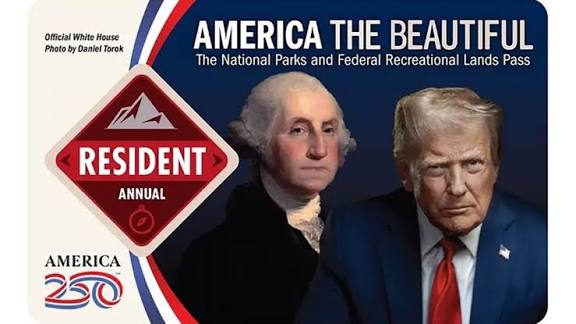
The use of Trump’s image instead of the usual picture of nature on the 2026 pass has drawn a sharp reaction, with stickers protesting. Today we will discuss about Trump National Parks Pass : Sticker Ban, Passes Voided, Backlash
Trump National Parks Pass : Sticker Ban, Passes Voided, Backlash
America’s national parks are symbols of unity, nature, and shared heritage. From the mountains of Yellowstone to the deserts of Arizona, they represent freedom, conservation, and national pride. Yet in 2026, something as simple as a plastic entry card — the National Parks Annual Pass — unexpectedly became a center of political controversy.
The redesign of the “America the Beautiful” pass to include an image of former President Donald Trump sparked nationwide debate. What followed was a wave of public reaction, the rise of a sticker protest movement, new rules declaring altered passes invalid, and a growing backlash from visitors, environmental groups, and civil rights advocates.
This controversy has raised serious questions about political symbolism on public property, freedom of expression, and the future of how national institutions remain neutral in an increasingly polarized society.
A Tradition Broken: How the Pass Design Changed
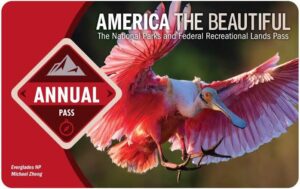
For decades, the National Parks Pass featured breathtaking photographs of landscapes and wildlife. These images were chosen through public photography contests, celebrating the beauty of America’s natural heritage rather than political figures.
In 2026, this tradition changed. The new design replaced scenic photography with a dual portrait of George Washington and Donald Trump. The intention, according to officials, was to honor American leadership during the nation’s 250th anniversary celebrations. However, the inclusion of Trump — a deeply polarizing political figure — immediately divided public opinion.
Many park visitors felt that the pass, which grants access to shared public land, should remain politically neutral. To them, replacing mountains and forests with political imagery felt like turning a national treasure into a campaign symbol.
The Rise of the Sticker Protest
Within days of the new pass being released, social media began filling with images of passes covered by stickers. Some showed flowers, wildlife, scenic photos, or humorous graphics carefully placed over Trump’s portrait.
This quiet protest quickly grew into a movement. Artists began designing custom stickers perfectly sized to cover the image. Environmental groups sold them as fundraising tools. For many, it was a peaceful way to reclaim the pass’s original purpose: celebrating nature, not politicians.
Supporters of the sticker movement argued that:
The pass is personal property once purchased.
Decorating it harms no one.
The protest is symbolic, not destructive.
But what began as harmless expression soon met official resistance.
“Void If Altered”: The New Enforcement Rule
Printed on every annual pass is a line that reads: “Void if altered.” Traditionally, this referred to changes to serial numbers, expiration dates, or security features.
In response to the sticker trend, park authorities clarified that any modification — including covering the image with a sticker — could render the pass invalid.
Under this interpretation:
Rangers may refuse entry if a pass is covered.
Visitors may be forced to buy a replacement pass.
Even removable stickers can be considered defacement.
The message was clear: personalizing or protesting the design could cost visitors access to the parks.
Critics quickly accused the government of using a technical rule to suppress political expression.
Public Backlash Erupts
From Park Visitors
Long-time parkgoers expressed anger and disappointment. Many said they visit national parks to escape politics, not confront them at the entrance gate.
Some argued that:
The design violated the spirit of public lands.
Enforcing the sticker ban felt authoritarian.
The policy targeted one political viewpoint.
From Free Speech Advocates
Civil liberties groups warned that voiding passes over removable stickers could set a dangerous precedent. While national parks are federal property, a purchased access card is personal property, and symbolic protest through decoration is protected speech.
From Trump Supporters
Supporters of the redesign defended the pass, arguing that:
Trump is a former president and deserves recognition.
Defacing government-issued items shows disrespect.
Rules apply equally to all alterations.
This divide turned what should have been a simple park access tool into a national culture war symbol.
Legal Challenges and Constitutional Questions
The controversy soon moved from park gates to courtrooms. Environmental and civil rights organizations filed lawsuits arguing that:
The redesign violated federal law requiring scenic imagery.
The sticker ban violated freedom of expression.
The pass was being used as political propaganda.
Legal scholars pointed out that public lands are governed by strict neutrality rules. Using a mandatory access item to display political figures could blur the line between commemoration and endorsement.
If courts rule against the redesign, the government could be forced to recall the passes and return to the traditional nature-based design.
Why This Issue Is Bigger Than a Plastic Card
Politicization of Public Spaces
National parks are among the last places Americans agree should remain apolitical. Introducing political imagery risks turning neutral ground into ideological territory.
Expression vs. Regulation
This case highlights a classic conflict: when does regulation cross into suppression? A removable sticker that doesn’t affect security features arguably poses no threat — yet it became grounds for punishment.
Trust in Institutions
Many citizens now question whether federal agencies are acting independently or under political pressure. The credibility of public institutions depends on their perceived neutrality.
Economic and Tourism Impact
The controversy has also affected tourism. Some travelers report delaying purchases, unsure whether they want a politically branded pass. Gift shops have seen a spike in sticker sales — but also an increase in complaints.
International visitors, unfamiliar with U.S. political divisions, have expressed confusion about why a leisure pass carries political imagery at all.
The Future of the National Parks Pass
Several outcomes are possible:
Court-ordered redesign returning to scenic photography.
Policy revision allowing harmless personalization.
Permanent political imagery, setting a new precedent.
Whatever the result, the 2026 pass will be remembered as the year a simple entry card became a national political symbol.
Conclusion: Nature Should Unite, Not Divide
The Trump National Parks Pass controversy reveals how deeply politics now reaches into everyday life. A tool meant to provide access to waterfalls, forests, and freedom became a flashpoint for debates about power, speech, and identity.
At its heart, the issue is not about stickers or plastic cards. It is about whether public spaces — especially those meant to inspire peace and unity — should remain free from political branding.
America’s national parks belong to everyone. Their symbols should reflect what unites the nation, not what divides it.
How useful was this post?
Click on a star to rate it!
Average rating 0 / 5. Vote count: 0
No votes so far! Be the first to rate this post.
About the Author

usa5911.com
Administrator
Hi, I’m Gurdeep Singh, a professional content writer from India with over 3 years of experience in the field. I specialize in covering U.S. politics, delivering timely and engaging content tailored specifically for an American audience. Along with my dedicated team, we track and report on all the latest political trends, news, and in-depth analysis shaping the United States today. Our goal is to provide clear, factual, and compelling content that keeps readers informed and engaged with the ever-changing political landscape.