Trump Locked & Loaded : Iran warning, deadly protests, US rescue pledge
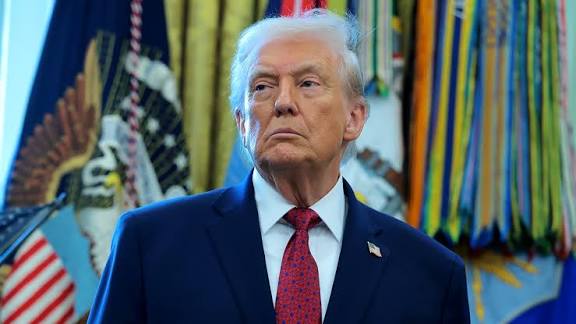
If Iran shoots and violently executes peaceful protesters, which is their custom, the United States will come to their defense. Today we will discuss about Trump Locked & Loaded : Iran warning, deadly protests, US rescue pledge
Trump Locked & Loaded : Iran warning, deadly protests, US rescue pledge
The world’s attention shifted sharply toward the Middle East after former U.S. President Donald Trump issued a stark warning to Iran, declaring that the United States was “locked and loaded” should Iranian authorities use lethal force against protesters. The statement came amid escalating demonstrations across Iran, sparked by economic collapse and long-standing political grievances. Trump’s words, forceful and unambiguous, ignited global debate, rattled diplomatic channels, and raised fears of a new flashpoint between Washington and Tehran.
This moment marks more than a rhetorical clash. It represents a convergence of internal unrest, international power politics, and unresolved tensions that have defined U.S.–Iran relations for decades. As protests turn deadly and rhetoric intensifies, the stakes grow higher—not just for Iran and the United States, but for regional stability and global security.
A Nation Under Pressure: The Roots of Iran’s Protests

Iran’s current wave of protests did not emerge overnight. They are the result of years of mounting economic hardship, political frustration, and social repression. The immediate trigger was a sharp deterioration in economic conditions: soaring inflation, the collapse of the national currency, and dwindling purchasing power for ordinary citizens.
For many Iranians, daily life has become a struggle. Food prices have surged, fuel costs have risen, and savings have evaporated. Small business owners, workers, students, and retirees alike have taken to the streets, demanding relief and accountability. What began as economic demonstrations quickly evolved into broader political protests, with chants criticizing corruption, mismanagement, and authoritarian governance.
The protests spread rapidly across multiple provinces, including major urban centers and historically marginalized regions. Security forces responded with arrests, crowd control measures, and, in some cases, deadly force. Reports of protesters being killed intensified public anger and drew international concern.
This unrest echoes previous protest movements in Iran, particularly those seen in recent years, but analysts note a key difference: economic despair has now merged with deep political disillusionment, creating a volatile and sustained challenge to the ruling establishment.
Trump’s Warning: “Locked and Loaded”
Against this turbulent backdrop, Donald Trump’s intervention dramatically raised the temperature. In a public statement, Trump warned that if Iran’s leadership ordered violent crackdowns resulting in the deaths of peaceful protesters, the United States would intervene to “rescue” them. His choice of words—“locked and loaded”—was unmistakably military in tone.
The statement marked a significant departure from traditional U.S. responses to internal unrest in adversarial states. While American leaders have often condemned human rights abuses, explicit pledges of intervention are rare. Trump’s language suggested readiness not just for diplomatic pressure, but for decisive action if Iran crossed what he framed as a moral red line.
Supporters praised the statement as a bold defense of human rights and democratic values. Critics, however, warned that such rhetoric could escalate tensions, embolden hardliners in Tehran, and place protesters at greater risk by reinforcing the narrative of foreign interference.
Iran’s Reaction: Sovereignty and Defiance
Iranian officials responded swiftly and sharply. The government rejected Trump’s warning as a blatant violation of Iran’s sovereignty and accused Washington of exploiting domestic unrest for geopolitical gain. Senior figures emphasized that Iran’s internal affairs were not open to foreign intervention and warned of consequences if the United States acted on its threats.
Tehran framed Trump’s statement as part of a long pattern of U.S. hostility, citing decades of sanctions, pressure campaigns, and past interventions in the region. Officials argued that external threats only strengthen national resolve and justify tougher security measures.
State media amplified these messages, portraying the protests as being encouraged—or even orchestrated—by foreign enemies. This narrative aims to delegitimize the protesters while rallying nationalist sentiment against perceived outside aggression.
What Does “Rescue” Mean in Practice?
One of the most critical questions raised by Trump’s declaration is what “rescue” actually entails. The statement was deliberately broad, leaving room for multiple interpretations.
Military Intervention
Direct military action against Iran would represent a dramatic escalation with far-reaching consequences. Iran possesses significant defensive capabilities and maintains influence through allied groups across the Middle East. Any strike could trigger retaliation, disrupt global energy markets, and potentially ignite a regional conflict.
Economic and Diplomatic Pressure
More likely scenarios include intensified sanctions, travel restrictions, asset freezes targeting Iranian officials, and diplomatic isolation. These measures aim to pressure leadership without direct confrontation, though critics argue they often worsen conditions for ordinary citizens.
Humanitarian and Symbolic Support
Other possibilities include support for international human rights investigations, humanitarian aid initiatives, or pathways for asylum for activists under threat. Even strong rhetorical backing can influence global opinion and constrain government actions.
Trump’s statement may ultimately function as a deterrent rather than a blueprint for immediate action—a warning designed to discourage violent repression by signaling potential consequences.
The Broader Geopolitical Context
The confrontation over Iran’s protests unfolds within a wider web of geopolitical tensions. Iran’s role as a regional power, its alliances with militant groups, and its long-standing rivalry with U.S. allies make any escalation especially dangerous.
Regional Stability at Risk
Iran’s influence extends across Iraq, Syria, Lebanon, and Yemen. Any U.S. action against Iran could ripple outward, affecting conflicts and power balances throughout the Middle East. Allies such as Israel and Gulf states would closely monitor developments, potentially recalibrating their own security strategies.
Nuclear and Strategic Tensions
Disputes over Iran’s nuclear program remain unresolved. Periods of negotiation have alternated with confrontation, sanctions, and covert actions. Renewed hostility over protests could derail diplomatic efforts entirely, increasing the risk of miscalculation.
Human Rights, Ethics, and External Intervention
At the heart of this crisis lies a moral dilemma. The protesters risking their lives in Iran are driven by genuine grievances and aspirations. International concern for their safety is understandable—but external involvement carries risks.
Human rights advocates stress that global pressure can help deter abuses, yet they also caution that overt foreign intervention can undermine local movements by reinforcing government claims of external manipulation. The challenge lies in supporting fundamental rights without exacerbating violence or stripping protesters of their agency.
Trump’s forceful rhetoric has thrust this dilemma into the spotlight, forcing governments and institutions worldwide to confront difficult questions about responsibility, restraint, and solidarity.
Possible Paths Forward
The situation remains fluid, and several outcomes are possible:
Escalation: Continued violence could harden positions on both sides, leading to increased sanctions, regional instability, or even military confrontation.
Containment: Iran may attempt to suppress unrest while avoiding actions that provoke direct U.S. involvement, seeking to ride out the crisis.
Dialogue and Reform: Though less likely in the short term, sustained pressure could push Iranian leaders toward limited reforms or economic concessions.
Each path carries consequences not only for Iran’s future but for international norms governing protest, sovereignty, and intervention.
Conclusion: A Dangerous Moment
“Trump Locked & Loaded” is more than a headline—it captures a moment of high tension where words alone could reshape events. Trump’s warning has amplified global focus on Iran’s protests while simultaneously raising the risk of escalation between two long-time adversaries.
For protesters on the streets of Iran, the struggle is immediate and personal. For governments watching from afar, the challenge is balancing moral responsibility with strategic caution. What happens next will depend on choices made in Tehran, Washington, and beyond.
One thing is clear: the intersection of domestic unrest and international power politics has created a volatile situation with no easy solutions. The coming weeks may determine whether this crisis fades, deepens, or erupts into something far more consequential.
How useful was this post?
Click on a star to rate it!
Average rating 0 / 5. Vote count: 0
No votes so far! Be the first to rate this post.
About the Author

usa5911.com
Administrator
Hi, I’m Gurdeep Singh, a professional content writer from India with over 3 years of experience in the field. I specialize in covering U.S. politics, delivering timely and engaging content tailored specifically for an American audience. Along with my dedicated team, we track and report on all the latest political trends, news, and in-depth analysis shaping the United States today. Our goal is to provide clear, factual, and compelling content that keeps readers informed and engaged with the ever-changing political landscape.