Trump Iran Deal Claim : Major Agreement Points, Talks Clash, Oil Drop, War Shift
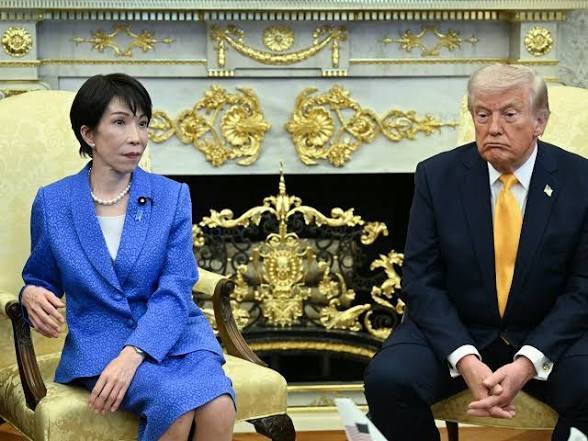
The global geopolitical landscape shifted dramatically after Donald Trump announced that the United States and Iran have reached “major points of agreement” in ongoing negotiations. The claim comes amid an intense and ongoing conflict that has shaken global markets, disrupted oil flows, and raised fears of a wider regional war.
While the announcement sparked optimism in financial markets and led to a sharp drop in oil prices, it has also triggered confusion and skepticism, particularly after Iranian officials denied that any direct talks had taken place.
This article breaks down the major agreement points, the conflicting narratives, the oil market reaction, and how this development could reshape the trajectory of the war.
Background: The 2026 Iran Conflict
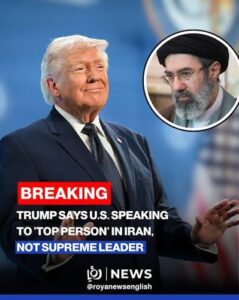
The current crisis stems from the escalating 2026 Iran war, which began after a series of coordinated strikes involving the United States and its allies in late February 2026.
- Over 2,000 casualties have been reported
- Critical energy infrastructure has been targeted
- The vital Strait of Hormuz has been disrupted
The Strait of Hormuz is one of the most important oil chokepoints in the world, handling nearly 20% of global oil supply. Its disruption triggered a surge in oil prices and panic in global markets.
Trump’s Claim: “Major Points of Agreement”
According to recent statements, Trump described the negotiations as:
- “Very strong talks”
- “Almost all points of agreement”
- A “real possibility” of a deal soon
The discussions reportedly involved key intermediaries, including U.S. envoys, and focused on ending hostilities and stabilizing the region.
Key Claimed Agreement Points
Although full details remain undisclosed, reports suggest the following potential areas of agreement:
1. Ceasefire Framework
A temporary halt to military operations, including a pause on planned U.S. strikes on Iranian energy infrastructure.
2. Reopening the Strait of Hormuz
Ensuring free navigation through the Strait to restore global oil flows.
3. Nuclear Program Controls
The U.S. may push for control or reduction of Iran’s enriched uranium stockpile.
4. Energy Security Guarantees
Preventing attacks on oil and gas facilities across the Middle East.
5. Potential Joint Oversight Mechanisms
Trump hinted at possible joint control or monitoring arrangements in strategic areas.
Iran’s Response: Talks Denied
Despite Trump’s optimistic tone, Iranian officials have strongly rejected the claims.
- Iran’s state media described the statements as “psychological warfare”
- Officials insist no direct or indirect talks have taken place
This contradiction has created uncertainty about whether negotiations are genuinely progressing or being used as a strategic tool.
Why the Denial Matters
Iran’s denial suggests:
- Negotiations may be indirect or mediated
- Public messaging could be aimed at influencing markets
- Trust between both sides remains extremely low
Oil Market Shock: Prices Drop Rapidly
One of the most immediate impacts of Trump’s announcement was seen in global energy markets.
- Oil prices dropped by 10–14% in a single session
- Brent crude fell close to $100 per barrel
- U.S. stock markets surged sharply
Trump himself stated that oil prices could “drop like a rock” if a deal is reached
Why Oil Fell
Markets reacted to:
- Reduced risk of supply disruption
- Potential reopening of the Strait of Hormuz
- Temporary halt in military escalation
War Shift: From Military Escalation to Diplomacy
The announcement marks a critical turning point in the conflict.
Before the Talks
- Escalating airstrikes
- Threats to destroy energy infrastructure
- Rising global oil prices
After the Talks
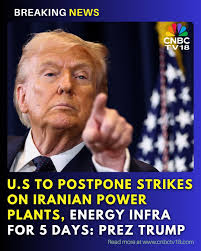
- 5-day pause on military strikes
- Renewed diplomatic efforts
- Stabilizing markets
Trump even delayed planned attacks, signaling a willingness to prioritize diplomacy over immediate military action.
Global Reactions and Strategic Implications
1. Middle East Stability
Countries like Oman, Qatar, and Turkey are reportedly pushing for a ceasefire, highlighting regional concern over escalation.
2. Economic Impact
- Stock markets surged globally
- Energy costs showed signs of stabilizing
- Inflation fears temporarily eased
3. Strategic Control of Oil Routes
Control of the Strait of Hormuz remains central to negotiations, with long-term implications for global energy security.
Challenges to a Final Deal
Despite optimism, several major obstacles remain:
1. Nuclear Dispute
The U.S. demands strict limits on Iran’s nuclear capabilities, which Iran has historically resisted.
2. Trust Deficit
Decades of hostility and recent military actions make trust extremely fragile.
3. Conflicting Narratives
Public disagreement over whether talks are even happening complicates diplomacy.
4. Regional Power Dynamics
Involvement of other nations could either stabilize or complicate negotiations.
Is This a Real Breakthrough or Strategic Messaging?
Analysts remain divided:
Optimistic View
- Talks indicate a genuine shift toward diplomacy
- Economic incentives favor de-escalation
- War fatigue may push both sides toward compromise
Skeptical View
- Claims may be aimed at calming markets
- Iran’s denial suggests limited real progress
- Military preparations continue in parallel
What Happens Next?
The next few days are critical.
Trump has indicated that a deal could be reached within five days or sooner, depending on progress.
Possible Scenarios
- Full Deal Reached
- Ceasefire implemented
- Oil prices stabilize further
- Regional tensions ease
- Partial Agreement
- Temporary de-escalation
- Continued uncertainty
- Talks Collapse
- Renewed military strikes
- Oil prices spike again
- Risk of wider war increases
Conclusion
The “Trump Iran deal claim” represents a pivotal moment in one of the most dangerous geopolitical crises of 2026. While the announcement of “major points of agreement” has sparked hope, conflicting narratives and unresolved issues continue to cloud the situation.
The sharp drop in oil prices and pause in military action suggest that diplomacy may be gaining ground—but whether this leads to a lasting resolution or proves to be a temporary shift remains uncertain.
For now, the world watches closely as negotiations unfold, knowing that the outcome will shape not only the future of U.S.-Iran relations but also the stability of global energy markets and international security.
FAQs
1. What did Trump say about the Iran deal?
Trump stated that the U.S. and Iran have reached “major points of agreement” and that a deal could happen soon.
2. Has Iran confirmed the talks?
No, Iranian officials have denied that any direct negotiations are taking place.
3. Why did oil prices drop?
Oil prices fell due to reduced fears of supply disruption and optimism about a potential deal.
4. What is the importance of the Strait of Hormuz?
It is a critical global oil route through which about 20% of the world’s oil supply passes.
5. What are the main issues in the negotiations?
Key issues include Iran’s nuclear program, regional security, and control of energy routes.
6. Could the war end soon?
It is possible, but depends on whether negotiations lead to a formal agreement.
I
How useful was this post?
Click on a star to rate it!
Average rating 0 / 5. Vote count: 0
No votes so far! Be the first to rate this post.
About the Author

usa5911.com
Administrator
Hi, I’m Gurdeep Singh, a professional content writer from India with over 3 years of experience in the field. I specialize in covering U.S. politics, delivering timely and engaging content tailored specifically for an American audience. Along with my dedicated team, we track and report on all the latest political trends, news, and in-depth analysis shaping the United States today. Our goal is to provide clear, factual, and compelling content that keeps readers informed and engaged with the ever-changing political landscape.