Trump Iran Deadline : Hormuz Standoff, 5 Day Ultimatum, Oil Shock, War Pause
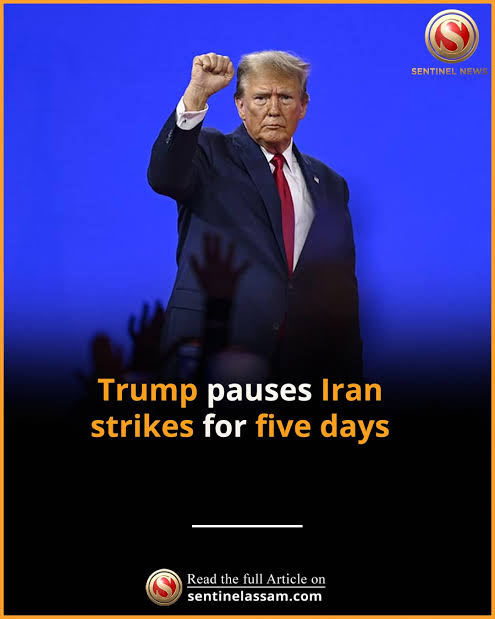
The Trump Iran deadline has triggered one of the most dangerous geopolitical crises of 2026. What began as a 48-hour ultimatum demanding the reopening of the Strait of Hormuz has evolved into a high-stakes standoff involving global powers, oil markets, and military threats.
Now, with a 5-day pause on military strikes, the world stands at a crossroads between war escalation and fragile diplomacy. The Strait of Hormuz — a critical artery for global oil supply — remains at the center of this crisis, sending shockwaves through energy markets and international relations.
This article breaks down the Hormuz standoff, Trump’s ultimatum, oil price shocks, and the current war pause, while analyzing what comes next.
What Is the Trump Iran Deadline?
The Trump Iran deadline refers to a direct ultimatum issued by U.S. President Donald Trump to Iran:
- Reopen the Strait of Hormuz within 48 hours
- Or face U.S. strikes on energy infrastructure
Trump warned of targeting Iran’s power plants and energy grid, escalating tensions dramatically.
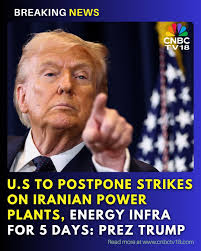
However, after the deadline expired without immediate military action, Trump announced a 5-day extension, citing “productive talks” with Iranian officials.
This shift transformed a near-war scenario into a temporary war pause, though the situation remains volatile.
Why the Strait of Hormuz Matters
The Strait of Hormuz is one of the most strategically important waterways in the world:
- Handles nearly 20% of global oil shipments
- Connects the Persian Gulf to global markets
- Critical for countries like India, China, and Europe
Iran’s decision to restrict or close the strait following U.S.-Israel strikes has caused massive disruption.
Key Impacts:
- Oil tankers blocked or rerouted
- Shipping insurance costs surged
- Global supply chains disrupted
Iran has even threatened to mine the Persian Gulf, escalating fears of a full-scale maritime conflict.
From 48-Hour Ultimatum to 5-Day War Pause
Phase 1: The Ultimatum
Trump issued a strict warning:
- Open Hormuz in 48 hours
- Or face “obliteration” of power infrastructure
Iran responded with defiance, warning of “zero restraint” retaliation.
Phase 2: Escalation
- Iran launched strikes across the region
- Threatened to shut down the entire Gulf
- Global markets panicked
Oil prices surged sharply, with fears of supply collapse.
Phase 3: The Pause
Suddenly, Trump shifted strategy:
- Announced 5-day delay in strikes
- Claimed “very good and productive” negotiations
- Mediators included Turkey, Egypt, and Pakistan
This pause:
- Lowered oil prices sharply
- Boosted global stock markets
- Opened a diplomatic window
Oil Shock: How Markets Reacted
The Trump Iran deadline triggered extreme volatility in global oil markets.
Before the Pause:
- Brent crude surged above $100+
- Supply fears drove panic buying
- Inflation concerns increased
After the Pause:
- Oil prices dropped significantly
- Stock markets rallied
- Investor sentiment improved
Why It Matters:
- Higher oil prices impact fuel costs worldwide
- Countries like India face economic pressure
- Global inflation risks increase
The Strait of Hormuz crisis shows how geopolitics directly impacts everyday fuel prices.
Military Tensions and War Risks
Despite the pause, the risk of war remains high.
U.S. Position:
- Demands free navigation in Hormuz
- Threatens infrastructure strikes
- Seeks strategic dominance
Iran’s Position:
- Demands U.S. withdrawal from the region
- Threatens retaliation on energy facilities
- Signals willingness to escalate
Iran has warned that any attack could trigger:
- Regional war
- Attacks on Gulf infrastructure
- Maritime disruption
Diplomatic Efforts Behind the Scenes
Several countries are working to prevent full-scale war:
- Turkey
- Egypt
- Pakistan
- Oman and Qatar
These nations are acting as mediators, facilitating indirect talks between the U.S. and Iran.
However, Iran has denied direct negotiations, highlighting the fragile nature of diplomacy.
Global Impact of the Crisis
The Trump Iran deadline is not just a regional issue — it has global consequences.
1. Energy Crisis
- Oil supply disruptions affect all economies
- Fuel prices rise globally
2. Economic Uncertainty
- Stock market volatility
- Inflation fears
3. Geopolitical Tensions
- Increased military presence in the Middle East
- Risk of wider regional conflict
4. Trade Disruptions
- Shipping delays
- Higher logistics costs
Is This a Real De-escalation or Strategic Pause?
Experts are divided on whether the 5-day pause signals peace or just a delay.
Arguments for De-escalation:
- Active mediation efforts
- Market stabilization
- Diplomatic engagement
Arguments for Continued Risk:
- Iran denies negotiations
- Military threats remain active
- No resolution on key issues
Some analysts believe the pause is:
- A tactical move to stabilize oil markets
- A strategic delay for military planning
What Happens After the 5-Day Deadline?
The world is closely watching what comes next.
Possible Scenarios:
1. Diplomatic Breakthrough
- Hormuz reopens
- Ceasefire agreement
- Reduced tensions
2. Limited Military Action
- Targeted strikes
- Controlled escalation
3. Full-Scale Conflict
- Regional war
- Massive oil disruption
- Global economic shock
The outcome depends on:
- Progress in negotiations
- Iran’s response
- U.S. strategic decisions
Impact on India and Global Consumers
India is among the countries most affected by the crisis:
- Heavy reliance on Gulf oil
- Rising fuel prices
- Inflation pressure
If the Strait of Hormuz remains unstable:
- Petrol and diesel prices could surge
- Supply chains may be disrupted
- Economic growth could slow
Conclusion
The Trump Iran deadline crisis represents a defining moment in global geopolitics. What began as a 48-hour ultimatum has evolved into a complex standoff involving war threats, oil shocks, and fragile diplomacy.
The 5-day pause offers a narrow window for peace — but the risks remain high.
As the world watches closely, the next few days could determine whether this crisis ends in diplomatic resolution or escalates into a major global conflict.
FAQs
1. What is the Trump Iran deadline?
It refers to Trump’s ultimatum demanding Iran reopen the Strait of Hormuz or face U.S. military strikes.
2. Why is the Strait of Hormuz important?
It is a key global oil route handling nearly 20% of the world’s oil supply.
3. Why did Trump extend the deadline?
He announced a 5-day pause due to “productive negotiations” and diplomatic efforts.
4. How did oil prices react?
Oil prices surged during the crisis but dropped after the pause was announced.
5. Is war still possible?
Yes, tensions remain high, and the situation could escalate if talks fail.
6. Who is mediating the conflict?
Countries like Turkey, Egypt, Pakistan, Oman, and Qatar are involved in mediation efforts.
7. How does this affect India?
India may face higher fuel prices and economic pressure due to oil supply disruptions.
How useful was this post?
Click on a star to rate it!
Average rating 0 / 5. Vote count: 0
No votes so far! Be the first to rate this post.
About the Author

usa5911.com
Administrator
Hi, I’m Gurdeep Singh, a professional content writer from India with over 3 years of experience in the field. I specialize in covering U.S. politics, delivering timely and engaging content tailored specifically for an American audience. Along with my dedicated team, we track and report on all the latest political trends, news, and in-depth analysis shaping the United States today. Our goal is to provide clear, factual, and compelling content that keeps readers informed and engaged with the ever-changing political landscape.