Trump Halts Iran Strikes : Energy Targets Pause, Secret Talks, Oil Crash, War Shif
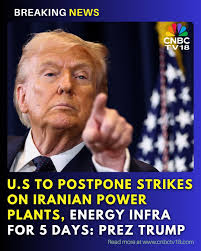
The global geopolitical landscape shifted dramatically after former U.S. President Donald Trump announced a sudden halt to planned military strikes on Iran’s energy infrastructure. The decision, described as a temporary five-day pause, has already sent shockwaves through oil markets, diplomatic corridors, and military alliances.
This unexpected move comes amid claims of “productive” discussions between the United States and Iran, raising hopes of de-escalation in a conflict that has already destabilized global energy supply chains and heightened fears of a broader war.
Breaking Development: Why Trump Halted Iran Strikes
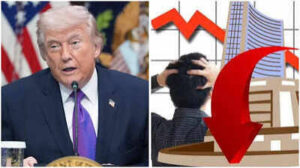
According to multiple reports, Trump ordered a pause on strikes targeting Iranian power plants and energy facilities following what he described as “very good and productive conversations” with Tehran.
The halt came just hours before a looming escalation deadline, signaling a strategic shift from immediate military action to potential diplomatic engagement.
Key highlights:
- A 5-day postponement of planned strikes
- Focus on energy infrastructure targets
- Ongoing negotiations aimed at ending hostilities
- Conditional continuation depending on diplomatic progress
This decision is being interpreted as a tactical pause rather than a full ceasefire.
Oil Market Shock: Prices Crash After Announcement
One of the most immediate impacts of Trump’s decision was seen in global oil markets.
- Oil prices dropped nearly 10–14% in a single day
- Brent crude fell to around $100 per barrel
- U.S. crude (WTI) dropped below $90 per barrel
The crash came after weeks of volatility driven by fears of supply disruption in the Middle East, particularly around the strategically vital Strait of Hormuz.
Why Oil Prices Fell
The sudden decline reflects:
- Reduced fear of immediate supply disruption
- Hope for reopening of shipping routes
- Market reaction to potential diplomatic resolution
However, analysts warn that volatility is far from over.
The Role of Energy Targets in the Conflict
Energy infrastructure has been at the center of the U.S.-Iran conflict.
Targets included:
- Power plants
- Oil refineries
- Export terminals
- Gas fields
Earlier in the conflict, both sides avoided direct hits on major oil infrastructure, but threats escalated rapidly in recent weeks.
The situation intensified after:
- Attacks on Middle Eastern energy facilities
- Disruption of oil flows
- Closure threats to the Strait of Hormuz
This route alone carries around 30% of global crude oil shipments, making it a critical global chokepoint.
Secret Talks or Strategic Messaging? Conflicting Claims
While Trump insists that negotiations are underway, Iran has strongly denied any direct talks.
Iranian officials labeled the claims:
- “Psychological warfare”
- “Market manipulation tactics”
- “Fake narratives”
Reports suggest:
- No confirmed direct U.S.-Iran negotiations
- Possible indirect diplomacy via regional mediators
- Ongoing military readiness on both sides
This contradiction highlights the complexity of the situation and raises questions about whether diplomacy is genuine or strategic signaling.
Global Economic Impact: Markets React Instantly
The pause in military escalation triggered a positive response in financial markets:
- U.S. stock futures surged sharply
- Dow Jones futures jumped nearly 1,000 points
- Investor confidence temporarily improved
However, the broader economic picture remains fragile.
Key Concerns
- Inflation risks tied to energy prices
- Supply chain disruptions
- Shipping instability in the Gulf
Countries like China and Japan have already issued warnings about the global economic fallout.
Background: The 2026 Iran War Escalation
The current crisis stems from a broader conflict that began in February 2026.
Major developments include:
- U.S. and Israeli strikes on Iranian targets
- Assassination of key Iranian leadership figures
- Missile and drone attacks across the region
- Damage to over 40 energy facilities globally
The war has already:
- Disrupted millions of barrels of daily oil supply
- Triggered one of the worst energy crises in years
- Raised fears of a prolonged regional conflict
The Strait of Hormuz: A Global Flashpoint
At the center of the crisis is the Strait of Hormuz, a narrow waterway critical to global energy trade.
Key facts:
- Handles 20–30% of global oil shipments
- Vital for LNG exports
- Strategic leverage point for Iran
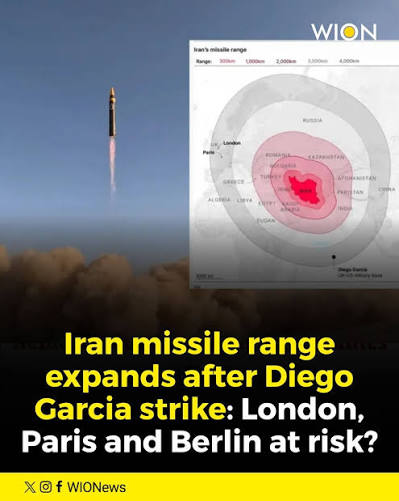
Iran has threatened:
- Blocking shipping lanes
- Attacking vessels
- Mining sea routes
Any prolonged disruption here could trigger a global energy catastrophe.
War Shift: From Military Escalation to Diplomatic Pause
Trump’s decision signals a potential shift in strategy.
Before the Pause
- Aggressive military posture
- Threats to destroy energy infrastructure
- Rapid escalation
After the Pause
- Diplomatic signaling
- Conditional de-escalation
- Market stabilization efforts
This shift could indicate:
- War fatigue
- Economic pressure
- Strategic recalibration
Geopolitical Reactions Around the World
Global powers are closely watching the situation.
Middle East
- Regional players pushing for ceasefire
- Concerns over spillover conflict
Asia
- India and China monitoring oil supply risks
- Potential increase in energy imports
Europe
- Rising defense concerns
- Calls for diplomatic resolution
Countries like Oman, Qatar, and Turkey are reportedly involved in mediation efforts.
Energy Crisis: How Close Are We to a Global Shock?
Experts warn that the world came dangerously close to a major energy crisis.
Key risks:
- Loss of 7–10 million barrels per day supply
- Infrastructure damage across multiple countries
- Rising fuel prices globally
Even with the pause, supply chains remain fragile.
What Happens After the 5-Day Pause?
The next few days are critical.
Possible scenarios:
1. Diplomatic Breakthrough
- Ceasefire agreement
- Reopening of Hormuz
- Stabilized oil markets
2. Return to Conflict
- Strikes resume
- Oil prices spike again
- Wider regional war
3. Prolonged Standoff
- Continued negotiations
- Intermittent attacks
- Market volatility
Expert Analysis: Strategic Move or Tactical Delay?
Analysts are divided on Trump’s decision.
View 1: Strategic De-escalation
- Prevents immediate war escalation
- Opens door for diplomacy
- Stabilizes markets
View 2: Tactical Pause
- Buys time for military planning
- Reduces economic pressure
- Maintains leverage
The truth may lie somewhere in between.
Impact on India and Global Consumers
For countries like India, the situation is critical.
Key Impacts
- Fuel price fluctuations
- Import cost uncertainty
- Economic ripple effects
India, a major oil importer, is particularly vulnerable to disruptions in the Middle East.
Conclusion: A Fragile Pause in a Volatile War
Trump’s decision to halt Iran strikes has created a temporary window of relief in an otherwise volatile geopolitical environment.
While markets have reacted positively and hopes of diplomacy have emerged, the situation remains highly uncertain.
The coming days will determine whether this pause leads to:
- Peace
- Prolonged tension
- Or renewed conflict
For now, the world watches closely as one of the most dangerous geopolitical crises of 2026 enters a critical phase.
FAQs
1. Why did Trump halt Iran strikes?
Trump paused strikes for five days following what he described as “productive talks” with Iran, aiming to explore diplomatic solutions.
2. Did oil prices really crash after the announcement?
Yes, oil prices dropped by around 10–14% due to reduced fears of immediate supply disruption.
3. Are the U.S. and Iran actually in talks?
The U.S. claims talks are ongoing, but Iran denies any direct negotiations, calling it misinformation.
4. Why is the Strait of Hormuz important?
It is a critical global oil transit route, handling up to 30% of worldwide crude shipments.
5. What happens after the 5-day pause?
Possible outcomes include a ceasefire, renewed conflict, or prolonged negotiations.
6. How does this affect global economies?
The conflict impacts oil prices, inflation, and global supply chains, making it a major economic concern.
How useful was this post?
Click on a star to rate it!
Average rating 0 / 5. Vote count: 0
No votes so far! Be the first to rate this post.
About the Author

usa5911.com
Administrator
Hi, I’m Gurdeep Singh, a professional content writer from India with over 3 years of experience in the field. I specialize in covering U.S. politics, delivering timely and engaging content tailored specifically for an American audience. Along with my dedicated team, we track and report on all the latest political trends, news, and in-depth analysis shaping the United States today. Our goal is to provide clear, factual, and compelling content that keeps readers informed and engaged with the ever-changing political landscape.