Trump Attorney General : Pam Bondi Probe, DOJ Controversy, US Politics
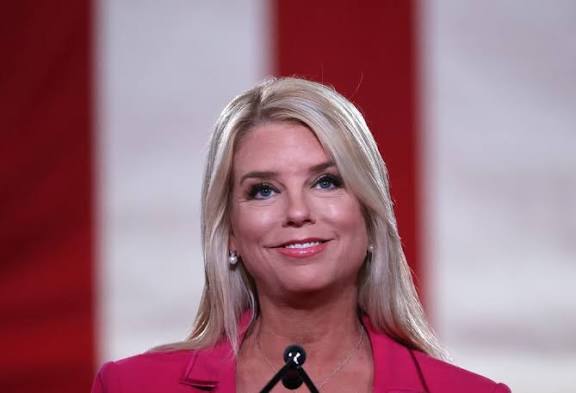
The role of the U.S. attorney general is traditionally seen as a guardian of justice and the rule of law. However, recent developments involving Pam Bondi, the attorney general under Donald Trump, have ignited intense political and legal debates in Washington.
From congressional subpoenas to court rulings questioning the legality of Justice Department appointments, the controversy surrounding Bondi has become a defining issue in current U.S. politics. Critics argue that the Department of Justice (DOJ) is increasingly politicized, while supporters claim the administration is simply correcting past abuses.
This article explores the Pam Bondi probe, the latest court rulings, the political battles in Congress, and what these developments could mean for the future of the U.S. justice system.
Who Is Pam Bondi?

Pam Bondi became the 87th U.S. attorney general in February 2025 after being sworn in by Clarence Thomas at the White House.
Before her appointment, Bondi served as Attorney General of Florida from 2011 to 2019 and was widely known for her strong alignment with conservative legal policies.
Her appointment was celebrated by supporters of Donald Trump, who promised that she would restore “impartial justice” in a department he frequently accused of political bias.
However, Bondi’s tenure quickly became controversial. Within hours of taking office, she ordered major structural changes within the DOJ, including shutting down certain investigative task forces and launching new investigations into previous federal probes involving Trump allies.
These moves were praised by conservatives but criticized by legal experts who warned that they could undermine the independence of federal law enforcement.
The DOJ Controversy Under Trump
The controversy surrounding Bondi is part of a broader debate about the independence of the Justice Department.
Historically, U.S. presidents have maintained a certain distance from DOJ investigations to avoid political influence. Critics argue that this tradition has weakened under the Trump administration.
Several actions have fueled these concerns:
Reviewing federal prosecutions related to Trump
Creating new investigative units to examine past government actions
Filing complaints against federal judges
Challenging long-standing DOJ procedures
One of the most controversial initiatives was the creation of a DOJ “Weaponization Working Group”, tasked with reviewing investigations that Trump supporters believe targeted conservatives unfairly.
Opponents argue the group itself risks turning the Justice Department into a political tool.
Congressional Subpoena Over Epstein Files
One of the most dramatic developments in the Pam Bondi probe emerged when a congressional committee voted to subpoena the attorney general over the handling of files related to Jeffrey Epstein.
Lawmakers from both parties supported the subpoena, reflecting growing frustration with the Justice Department’s management of the case.
Members of Congress raised several concerns:
Alleged mishandling of sensitive documents
Redactions that obscured names of potential offenders
Accidental release of victims’ identities
Some Republican lawmakers also joined Democrats in supporting the subpoena, signaling bipartisan concern over transparency.
Bondi has defended the DOJ’s actions, arguing that critics are misrepresenting the situation and that the department is following the law.
Still, the subpoena represents one of the most serious congressional challenges faced by a sitting attorney general in recent years.
Court Ruling on DOJ Appointments
Another major controversy erupted after a federal judge ruled that three prosecutors appointed by Bondi to lead the New Jersey U.S. Attorney’s Office were installed illegally.
According to the ruling, the administration attempted to bypass the constitutional requirement that U.S. attorneys receive Senate confirmation.
The judge criticized the strategy as an unprecedented expansion of presidential authority.
The ruling could have serious consequences:
Thousands of federal cases might be challenged
Defendants could argue that prosecutions were invalid
The DOJ may face significant legal uncertainty
Although the decision did not immediately remove the prosecutors from office, it raised serious questions about the administration’s legal strategy.
Critics Accuse DOJ of Political Targeting
Many critics believe that the Justice Department under Bondi has become deeply politicized.
Some former DOJ officials argue that the department is targeting political opponents of the Trump administration.
These concerns grew after the DOJ launched investigations into figures associated with earlier probes into Trump and his campaign.
One example includes renewed investigations related to the origins of the FBI’s Crossfire Hurricane inquiry into Russian interference in the 2016 election.
Supporters of the administration argue these investigations are necessary to expose misconduct and restore trust in the justice system.
Bondi’s Defense of DOJ Policies
Bondi has consistently rejected accusations that the Justice Department is acting as a political arm of the White House.
During congressional hearings, she defended the administration’s policies and accused critics of trying to undermine law enforcement.
Bondi argues that the DOJ is simply correcting what she calls “politicized prosecutions” from previous administrations.
Her supporters say that:
Investigations into past officials are justified
Federal prosecutors must be held accountable
Transparency about earlier investigations is necessary
They also argue that many controversies are fueled by partisan politics rather than legal concerns.
Political Fallout in Washington
The controversy surrounding Bondi has intensified divisions in Washington.
Democrats argue that the Justice Department’s credibility is at risk.
Some Republican lawmakers have also expressed concerns about the growing conflicts between the DOJ and the courts.
Key political issues include:
Congressional oversight of the Justice Department
The role of the attorney general in presidential administrations
The balance between law enforcement and politics
As the controversy continues, it may influence future debates about the independence of federal law enforcement.
What This Means for the Justice Department
The debate surrounding the Trump Attorney General Pam Bondi probe highlights a broader question about how the Justice Department should operate.
Legal scholars often emphasize three key principles:
Independence from political pressure
Transparency in decision-making
Respect for constitutional procedures
When these principles are questioned, public confidence in the justice system can weaken.
The current controversies may therefore shape long-term reforms in the DOJ.
Future Investigations and Political Impact
Several investigations and legal battles related to Bondi and the DOJ are ongoing.
Potential developments include:
Additional congressional hearings
Appeals of recent court rulings
Further document releases related to the Epstein case
The outcome of these disputes could significantly influence the 2026 political landscape.
If the controversies continue, they may become a central issue in future elections and debates about government accountability.
Conclusion
The controversy surrounding Trump Attorney General Pam Bondi reflects the intense political polarization currently shaping American institutions.
From congressional subpoenas to court rulings questioning DOJ appointments, the situation highlights the complex relationship between politics and justice in the United States.
Supporters of the administration argue that reforms are necessary to correct past injustices, while critics warn that the independence of the Justice Department is at stake.
As investigations continue and new information emerges, the Pam Bondi probe will remain a critical story in U.S. politics.
FAQs
What is the Pam Bondi probe about?
The probe refers to investigations and congressional scrutiny of Attorney General Pam Bondi’s actions, including the Justice Department’s handling of Epstein-related documents and controversial DOJ appointments.
Why was Pam Bondi subpoenaed by Congress?
A House committee issued a subpoena seeking testimony about the DOJ’s handling of files connected to Jeffrey Epstein and concerns about transparency.
What did the federal court rule about DOJ appointments?
A federal judge ruled that prosecutors appointed to lead the New Jersey U.S. Attorney’s Office were installed illegally because they lacked Senate confirmation.
Who appointed Pam Bondi as attorney general?
President Donald Trump appointed Pam Bondi as U.S. attorney general in 2025.
Why is the DOJ controversy significant?
The controversy raises questions about the independence of the Justice Department and whether political influence is affecting federal law enforcement.
How useful was this post?
Click on a star to rate it!
Average rating 0 / 5. Vote count: 0
No votes so far! Be the first to rate this post.
About the Author

usa5911.com
Administrator
Hi, I’m Gurdeep Singh, a professional content writer from India with over 3 years of experience in the field. I specialize in covering U.S. politics, delivering timely and engaging content tailored specifically for an American audience. Along with my dedicated team, we track and report on all the latest political trends, news, and in-depth analysis shaping the United States today. Our goal is to provide clear, factual, and compelling content that keeps readers informed and engaged with the ever-changing political landscape.