TikTok US Deal Nears Completion: American Control, Creator Boom or Data Fight

The new unit will retrain TikTok’s algorithms on US user data and Oracle will oversee the storage of Americans’ data. Today we will discuss about TikTok US Deal Nears Completion: American Control, Creator Boom or Data Fight
TikTok US Deal Nears Completion: American Control, Creator Boom or Data Fight
The long and controversial battle over TikTok’s future in the United States appears to be approaching a decisive moment. After years of political pressure, national security warnings, legal battles, and tense negotiations, a deal to restructure TikTok’s U.S. operations is nearing completion. What once looked like a looming ban has evolved into a complex compromise involving American ownership, strict data controls, and continued operation of one of the world’s most influential social media platforms.
At the center of this debate lies a fundamental question: is the TikTok U.S. deal truly about national security, or is it a struggle for control over data, influence, and the future of the digital economy? As details of the agreement emerge, supporters hail it as a balanced solution, while critics warn that unresolved risks remain.
How TikTok Became a Political Flashpoint
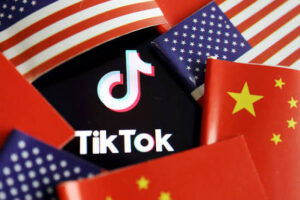
TikTok’s rise was rapid and disruptive. Unlike traditional social media platforms, TikTok’s algorithm-focused model allowed content to reach massive audiences regardless of follower count. This innovation reshaped entertainment, marketing, music promotion, and online culture itself.
However, TikTok’s ownership by ByteDance, a China-based company, triggered alarm among U.S. policymakers. Concerns centered on three main issues:
User data security, particularly whether sensitive information could be accessed by foreign entities
Algorithmic influence, including the potential to shape public opinion or suppress certain content
Foreign ownership of a major communication platform, especially during a time of rising geopolitical tension
These concerns intensified as TikTok’s U.S. user base crossed well over one hundred million people, making it one of the most powerful digital platforms in the country.
The Legal Push Toward Divestment
The situation escalated when U.S. lawmakers passed legislation requiring ByteDance to divest TikTok’s American operations or face a nationwide ban. This legal mandate transformed speculation into urgency. TikTok challenged the law in court, while negotiations accelerated behind closed doors.
A ban would have been unprecedented in scale, disrupting creators, advertisers, small businesses, and everyday users. The economic and cultural impact of such a move forced policymakers to consider alternatives, setting the stage for the current deal.
What the TikTok U.S. Deal Looks Like
The proposed agreement centers on creating a new U.S.-based entity responsible for TikTok’s operations within the United States. This structure aims to satisfy legal requirements while keeping the platform functional.
Key features of the deal include:
Majority American ownership, ensuring U.S. investors hold controlling stakes
A U.S.-controlled board, responsible for governance and strategic decisions
Limits on ByteDance’s stake, keeping foreign ownership below the legally defined threshold
Operational independence, separating U.S. TikTok functions from global systems
This structure is designed to reduce foreign influence while allowing ByteDance to retain a financial interest without operational control.
Data Security at the Core of the Agreement
Data protection has been the most sensitive issue throughout the negotiations. Under the new arrangement, TikTok’s U.S. user data will be handled under strict safeguards.
Key measures include:
Storage of U.S. user data on American servers
Restricted access protocols managed by U.S.-based entities
Regular audits to ensure compliance with data protection standards
These measures are meant to address fears of unauthorized access or misuse of user information. Supporters argue that this framework creates one of the most tightly regulated data environments in social media history.
The Algorithm Question
TikTok’s recommendation algorithm is widely considered its most valuable asset. It determines what users see, how content spreads, and which creators rise to prominence. This makes it a focal point of both business value and political concern.
Under the proposed deal:
The U.S. entity will oversee how the algorithm operates domestically
Content moderation policies will be controlled by U.S.-based teams
Algorithm updates will be subject to oversight and security reviews
Despite these measures, some critics argue that true independence is difficult as long as the underlying technology originates outside the United States. This debate remains one of the most unresolved aspects of the deal.
Impact on TikTok Creators
For creators, the approaching deal brings a sense of relief. Many built careers entirely around TikTok, earning income through brand partnerships, advertising revenue, live streams, and merchandise sales.
A ban would have forced creators to rebuild audiences elsewhere, often with limited success. Instead, the deal offers continuity.
However, change is still expected:
Algorithm adjustments could alter content visibility
Monetization rules may evolve under new management
Greater regulation could influence creative boundaries
While some creators fear tighter oversight, others hope American control will bring clearer policies, faster support, and more predictable monetization systems.
Small Businesses and Advertisers
Beyond influencers, TikTok has become a vital tool for small businesses. Short videos have proven especially effective for product discovery, local marketing, and brand storytelling.
The deal ensures:
Continued access to TikTok’s advertising ecosystem
Stability for businesses built around TikTok-driven sales
Ongoing innovation in social commerce
For advertisers, avoiding a ban prevents massive disruptions to marketing strategies that increasingly depend on short-form video engagement.
Why American Companies Want TikTok
From a business perspective, the TikTok deal is a strategic opportunity. Gaining control over infrastructure, governance, and data positions U.S. companies at the center of one of the most influential digital platforms in the world.
This move reflects a broader trend toward:
Greater national control over digital platforms
Reduced reliance on foreign-owned technology
Increased government involvement in tech governance
The deal may serve as a model for how future conflicts between governments and global tech firms are resolved.
Political Reactions and Public Opinion
The agreement has sparked divided reactions. Supporters frame it as a victory that balances national security with economic reality. They argue that it protects users while preserving free expression and innovation.
Critics, however, believe the deal does not go far enough. Some question whether minority ownership still allows indirect influence. Others worry about setting a precedent where governments pressure companies into restructuring rather than passing comprehensive privacy laws.
Public opinion remains mixed, with many users simply relieved that the app will continue to function.
Global Implications
The TikTok U.S. deal extends far beyond American borders. Governments worldwide are watching closely as they face similar challenges involving data sovereignty and foreign-owned platforms.
Possible global outcomes include:
More countries demanding local control over user data
Increased fragmentation of global social media platforms
Stronger regulatory frameworks for algorithm transparency
TikTok’s restructuring could become a template for how digital platforms operate in politically sensitive markets.
What Happens After the Deal Is Finalized
Finalizing the deal is only the beginning. Implementation will be complex and closely monitored.
Key challenges ahead include:
Fully separating technical systems
Ensuring long-term compliance with security requirements
Maintaining user trust amid ongoing scrutiny
Regulators are expected to remain actively involved, and future legal challenges cannot be ruled out.
Conclusion: Stability Today, Questions Tomorrow
The nearing completion of the TikTok U.S. deal represents a critical turning point in the platform’s history. It avoids an unprecedented ban, protects millions of users and creators, and introduces stronger oversight of data and operations.
Yet the deal does not end the broader debate. Questions about digital power, algorithmic influence, and national control over global platforms remain unresolved. TikTok’s future in the United States may now be more secure, but it will operate under closer scrutiny than ever before.
In the end, this deal is not just about TikTok. It reflects a world where technology, politics, and culture are increasingly inseparable — and where control over data and digital influence has become a defining issue of the modern era.
How useful was this post?
Click on a star to rate it!
Average rating 0 / 5. Vote count: 0
No votes so far! Be the first to rate this post.
About the Author

usa5911.com
Administrator
Hi, I’m Gurdeep Singh, a professional content writer from India with over 3 years of experience in the field. I specialize in covering U.S. politics, delivering timely and engaging content tailored specifically for an American audience. Along with my dedicated team, we track and report on all the latest political trends, news, and in-depth analysis shaping the United States today. Our goal is to provide clear, factual, and compelling content that keeps readers informed and engaged with the ever-changing political landscape.