TikTok Becomes Major News Source, 1 in 5 Americans Now tuned In
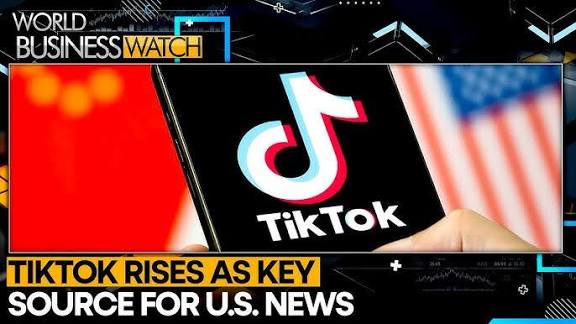
Among adults under 30, 43% say they regularly get news from TikTok, up from 9% in 2020. Today we will discuss about TikTok Becomes Major News Source, 1 in 5 Americans Now tuned In
TikTok Becomes Major News Source, 1 in 5 Americans Now tuned In
In a striking shift that reflects the changing nature of media consumption in the digital age, TikTok has emerged as a major source of news for Americans. Once known mainly for dance videos, memes, and entertainment clips, the platform is now playing a powerful role in shaping how people stay informed. Recent studies show that one in five Americans now regularly gets news from TikTok, marking a dramatic rise over the past few years.
This transformation highlights a broader trend: traditional news platforms such as television, newspapers, and even news websites are losing ground to social media, especially among younger audiences. TikTok’s short-form, algorithm-driven content has proven particularly effective at capturing attention, making it one of the fastest-growing news platforms in the United States.
The Rapid Rise of TikTok as a News Platform

TikTok entered the U.S. market as an entertainment app focused on creativity and viral trends. However, as global events such as the COVID-19 pandemic, political upheavals, social justice movements, and international conflicts unfolded, users increasingly turned to TikTok for updates and explanations.
Over time, creators began sharing news summaries, firsthand accounts, commentary, and explainer videos. As a result, TikTok gradually evolved into a space where news spreads rapidly, often reaching audiences before traditional outlets do.
The growth has been remarkable. In just five years, the share of Americans who say they regularly consume news on TikTok has increased several times over. This surge makes TikTok one of the fastest-growing news sources in modern media history.
Who Gets Their News from TikTok?
Young Americans Lead the Shift
TikTok’s influence as a news source is especially strong among younger generations.
Nearly half of adults under 30 now say they regularly get news on TikTok.
Adults aged 30 to 49 also show significant growth in TikTok news consumption.
Usage drops sharply among people aged 50 and above, with seniors remaining the least likely to rely on the platform for news.
This generational divide reflects broader changes in how people consume information. Younger audiences prefer mobile-first, video-based platforms that deliver content quickly and visually, while older audiences are more likely to stick with television or print news.
TikTok Users Themselves See More News
Among people who actively use TikTok, more than half now say they regularly encounter news content on the app. Many users report seeing news even when they are not actively searching for it, thanks to TikTok’s recommendation system that pushes trending and relevant topics onto their feeds.
What Kind of News Is Shared on TikTok?
TikTok does not operate like a traditional newsroom. Instead, news appears in a variety of formats and from a wide range of sources.
Not Just Journalists
Unlike television or newspapers, most news on TikTok does not come directly from professional journalists or established media organizations. Instead, users encounter news from:
Influencers and content creators
Ordinary users sharing opinions or personal experiences
Activists discussing social and political issues
Educators breaking down complex topics in simple terms
Traditional news organizations are present on TikTok, but they represent only a small fraction of the overall content.
Types of News Content
News on TikTok often appears as:
Short explainers about current events
Reaction videos to breaking news
Commentary mixed with humor or personal opinion
Firsthand videos from people on the scene
Simplified summaries of complex political or global issues
This informal approach makes news feel more accessible, especially to users who may find traditional news intimidating or boring.
Why TikTok Appeals as a News Source
1. Short, Engaging Format
TikTok’s videos are typically under a minute, making them easy to consume. This suits users with short attention spans or busy schedules who want quick updates rather than long reports.
2. Powerful Recommendation Algorithm
TikTok’s algorithm is designed to show users content they are likely to engage with. As a result, news stories can go viral rapidly, reaching millions of users within hours.
3. Easy Access on Mobile Devices
TikTok is built for smartphones, allowing users to stay informed anytime and anywhere. This convenience plays a major role in its popularity as a news source.
4. Diverse Voices and Perspectives
TikTok gives a platform to voices that are often absent from mainstream media. Local creators, marginalized communities, and everyday citizens can share their perspectives, creating a more diverse information ecosystem.
Impact on Traditional Media
Decline of Television News
For decades, television was the primary source of news in the U.S. That dominance is fading. Social media platforms, including TikTok, are now competing directly with TV news, especially among younger viewers.
Newsrooms Adapt to TikTok
To remain relevant, many news organizations have joined TikTok. They now create short videos, visual explainers, and behind-the-scenes content designed specifically for the platform.
This shift represents a major change in journalism, forcing newsrooms to rethink storytelling, tone, and presentation.
Concerns and Challenges
Despite its popularity, TikTok’s role as a news source raises serious concerns.
1. Misinformation
One of the biggest risks is the spread of false or misleading information. Because anyone can post content, not all videos are accurate or fact-checked. Sensational or emotionally charged content often spreads faster than verified reporting.
2. Lack of Context
Short videos may oversimplify complex issues. Without proper background or nuance, viewers may develop incomplete or distorted understandings of important topics.
3. Algorithmic Bias and Echo Chambers
TikTok’s algorithm shows users content similar to what they already like. This can create echo chambers where users repeatedly see the same viewpoints, limiting exposure to diverse opinions.
4. Blurring of News and Opinion
On TikTok, news is often mixed with personal opinion, humor, or activism. This can make it difficult for viewers to distinguish between factual reporting and commentary.
TikTok’s Efforts to Address These Issues
To respond to criticism, TikTok has introduced measures such as:
Labels on sensitive or disputed content
Tools that allow users to add context to videos
Partnerships with fact-checking organizations
Policies aimed at reducing harmful misinformation
While these steps show progress, debates continue about whether they are sufficient given TikTok’s scale and influence.
A Broader Shift in News Consumption
TikTok’s rise is part of a larger transformation in how Americans consume news:
Social media has become a central gateway to information
News consumption is increasingly fragmented across platforms
Audiences prefer personalized, on-demand content
Trust in traditional media remains uneven
Rather than relying on a single source, many people now get news from a mix of social media, messaging apps, websites, and traditional outlets.
What the Future May Hold
TikTok’s role in news is likely to grow, but its future depends on several factors:
Regulation and Policy
Ongoing debates about data privacy, national security, and platform regulation could affect TikTok’s operations in the U.S.
Trust and Credibility
For TikTok to remain a reliable news source, it must balance speed and engagement with accuracy and responsibility.
Hybrid News Habits
Most experts believe TikTok will not replace traditional news entirely. Instead, it will continue to coexist with other platforms, becoming one part of a broader news diet.
Conclusion
The fact that one in five Americans now relies on TikTok for news marks a major turning point in media history. TikTok has reshaped how news is created, shared, and consumed, especially among younger generations.
While the platform offers unprecedented access, engagement, and diversity of voices, it also presents challenges related to misinformation, context, and credibility. As TikTok continues to evolve, its influence on public opinion and democratic discourse will only grow.
Understanding this shift is essential — not just for journalists and policymakers, but for anyone navigating today’s fast-moving information landscape.
How useful was this post?
Click on a star to rate it!
Average rating 0 / 5. Vote count: 0
No votes so far! Be the first to rate this post.
About the Author

usa5911.com
Administrator
Hi, I’m Gurdeep Singh, a professional content writer from India with over 3 years of experience in the field. I specialize in covering U.S. politics, delivering timely and engaging content tailored specifically for an American audience. Along with my dedicated team, we track and report on all the latest political trends, news, and in-depth analysis shaping the United States today. Our goal is to provide clear, factual, and compelling content that keeps readers informed and engaged with the ever-changing political landscape.