Thomas Massie Epstein Files: unredacted names, DOJ storm
Introduction: A New Front in the Epstein Files Controversy
In February 2026, U.S. Representative Thomas Massie (R-KY) reignited a national political and legal firestorm by challenging the Department of Justice (DOJ) over its handling of the Jeffrey Epstein files — a sprawling trove of investigative records tied to Epstein’s criminal network. Massie’s argument centers on redactions that he and other lawmakers say conceal the names of individuals who are “likely incriminated”, contrary to the letter and spirit of the Epstein Files Transparency Act passed by Congress in late 2025.
The clash encapsulates a broader clash between congressional oversight, executive branch compliance, judicial confidentiality requirements, and public demand for accountability in one of the most sensitive investigations of the decade.
What Are the Epstein Files and Why They Matter
The Epstein files consist of millions of pages of records previously held by the DOJ, FBI, and other agencies relating to Jeffrey Epstein’s activities. The Epstein Files Transparency Act, co-sponsored by Rep. Massie and Rep. Ro Khanna (D-CA), requires the DOJ to publish all unclassified records connected to Epstein and his associates, including documentation of investigations, communications, and evidence.
That law aimed to force full disclosure after earlier releases of partial records drew criticism for excessive redactions and withholding of key documents. However, the DOJ’s initial release — and subsequent public filings — have remained controversial, with lawmakers accusing the department of protecting powerful individuals by redacting names and details that do not fall under victim privacy protections.
Massie’s Case: Redactions That Mask Incriminated Individuals
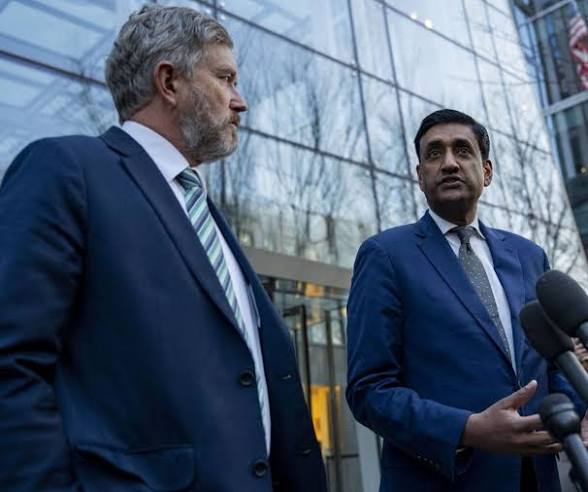
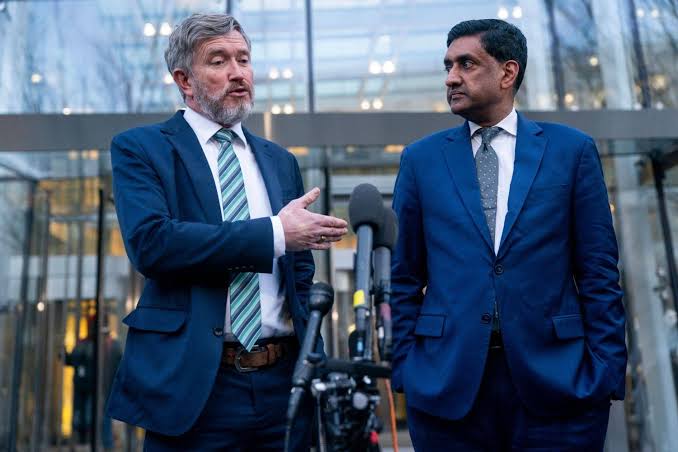
At the heart of the dispute is Massie’s claim that the DOJ improperly redacted the names of at least six men “likely incriminated” in the Epstein files, despite a statutory mandate against censoring names unless strictly necessary for protecting victims or national security. After being granted access in a secure DOJ location, Massie and Khanna spent hours reviewing the unredacted versions and identified multiple redacted names they argue should be public.
According to Massie:
The redactions conceal names of men who — based on the context of the documents — appear to be involved in Epstein’s network.
One individual is reportedly a senior foreign government official; another is described as a prominent public figure.
Some files still bearing redactions were originally produced already masked, leading to further concern that the initial redaction process was flawed.
Massie insists the DOJ must correct these redactions to comply with the law and ensure public transparency.
DOJ’s Response and Defenders of the Redactions
The DOJ has defended its handling of the Epstein files, insisting that it is obligated to protect sensitive materialincluding victim identities and ongoing investigative matters. In addition to unredacting many names already, DOJ officials have cited legal requirements that justify certain redactions, including privacy laws and protections against releasing material that could jeopardize active work or legal processes.
Deputy Attorney General Todd Blanche has stated that non-victim names have been restored in many documents, but that privacy and legal compliance restrict full disclosure without careful review.
However, this defense has done little to quiet the uproar. Massie and allies argue that redactions should only be used where explicitly allowed by the transparency law, and not as a means to withhold details about powerful figures who may be linked to Epstein’s network.
Political Fallout and Bipartisan Tension
The redaction battle quickly evolved into a broader political controversy involving both Republican and Democratic lawmakers. While Massie, a conservative Republican, is leading the charge, Democratic figures like Rep. Ro Khanna and Rep. Jamie Raskin have echoed his concerns about improper redactions and apparent departures from legal requirements.
Raskin has described some redaction logic as “mysterious or inscrutable”, pointing to instances where names of individuals who are not victims — including well-known public figures — were withheld. He also identified what he termed unnecessary redactions and criticized the DOJ for failing to comply fully with the law’s intent.
This bipartisan tension reflects a rare alignment in congressional concern over transparency and accountability. It also highlights the high stakes of the Epstein file disclosures, which involve questions about political influence, potential wrongdoing, and the public’s right to know the extent of Epstein’s connections.
Congressional Oversight: A New Phase of Scrutiny
As part of its oversight function, Congress has taken an active role in questioning the DOJ’s process. Massie has publicly suggested that if the department refuses to amend the redactions, he may consider reading the identities of the redacted individuals into the Congressional Record under protections granted to legislators — a move that could dramatically escalate the situation.
Additionally, lawmakers have held press conferences and briefings to underline their concerns and have asked the DOJ to justify every redaction in writing, as required by the transparency legislation.
Some critics have even floated the possibility of pursuing contempt actions, impeachment referrals, or court-appointed monitoring to ensure full compliance with the law.
Public and Legal Implications: Trust, Transparency, and Accountability
The dispute over the Epstein files is not just a political debate, but also a test of public trust in federal institutions. Advocates for open records argue that transparency is essential for justice, particularly in cases involving systemic abuse and powerful individuals. The Epstein scandal, they argue, cannot be fully resolved unless all critical evidence is accessible to the public and lawmakers without undue censorship.
On the other hand, victims’ advocates and legal experts stress the importance of protecting survivors’ identities and private information — a balancing act that complicates broad disclosure. Determining where that line should be drawn is central to the ongoing arguments.
The outcome of this conflict could shape future transparency laws and set precedents for how the federal government releases sensitive investigative material.
What Happens Next? Key Scenarios
1. DOJ Revises Redactions and Re-Releases Files
Lawmakers may secure more complete versions of the files if the DOJ agrees to revise redactions based on congressional pressure.
2. Congressional Disclosure Under Privilege
Massie and others could choose to publicly disclose redacted names under legislative protections — a dramatic escalation with legal and political consequences.
3. Legal Action or Independent Monitoring
Congress could push for judicial review or appoint an independent monitor to enforce compliance with the transparency law.
4. Increased Oversight on DOJ Leadership
Continued criticism may focus on the DOJ’s top officials, potentially affecting broader political debates and oversight priorities.
Each scenario presents challenges and implications for institutional credibility and the rule of law.
FAQs: Epstein Files and Thomas Massie
1. What are the “Epstein files”?
The Epstein files are records from federal investigations into Jeffrey Epstein’s criminal activities, including communications, financial records, and interviews, released under the Epstein Files Transparency Act.
2. Who is Thomas Massie and what is his role?
Rep. Thomas Massie is a Republican congressman from Kentucky who co-sponsored the transparency law and is now leading calls for the DOJ to unredact names he says were improperly withheld.
3. Why are names still redacted?
The DOJ argues that some redactions protect victims, privacy, or sensitive legal information, though lawmakers say many redactions exceed what the law allows.
4. What has Massie found in the unredacted files?
Massie and Rep. Ro Khanna reported identifying at least six men whose names were redacted but who appear to be “likely incriminated” based on unredacted material viewed by lawmakers.
5. Could Massie release redacted names publicly?
If the DOJ refuses to unredact the files, Massie has threatened to read the names into the Congressional Record under legislative protections, though he says this would be a last resort.
About the Author