Supreme Court : Trump tariffs verdict, markets on edge, power test
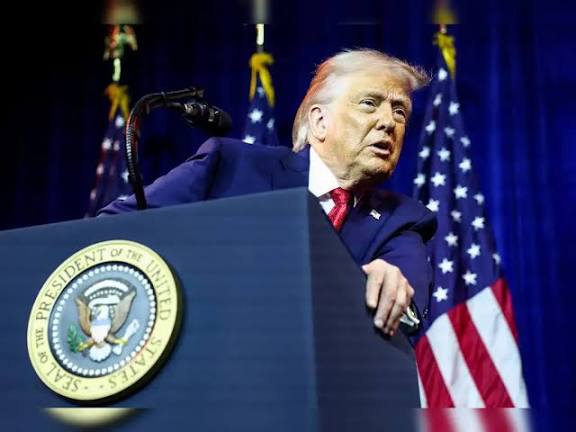
The US Supreme Court may later rule on whether Trump can invoke the International Emergency Economic Powers Act (IEEPA). Today we will discuss about Supreme Court : Trump tariffs verdict, markets on edge, power test
Supreme Court : Trump tariffs verdict, markets on edge, power test
The United States Supreme Court is once again at the center of a historic national and global debate, as it prepares to deliver a verdict on the legality of tariffs imposed by former President Donald Trump. The ruling is expected to shape not only the future of U.S. trade policy but also the balance of power between the executive branch and Congress. Financial markets around the world are watching closely, bracing for volatility as investors attempt to price in the consequences of a decision that could redefine presidential authority.
At issue is whether Trump exceeded his constitutional powers by imposing wide-ranging tariffs under emergency authority. The case has evolved into a major test of governance, economics, and constitutional interpretation, making it one of the most consequential Supreme Court decisions of recent years.
Understanding the Trump Tariffs Controversy
During his presidency, Donald Trump implemented sweeping tariffs on a broad range of imported goods, citing national security and economic threats. These tariffs were justified using emergency powers rather than traditional trade legislation approved by Congress. While the administration argued that the measures were necessary to protect American industries and address unfair trade practices, critics claimed the president overstepped his legal authority.
Trade policy in the United States has historically been the responsibility of Congress. The Constitution grants lawmakers the power to regulate commerce with foreign nations, while presidents typically implement trade policies within frameworks set by legislation. Trump’s approach challenged this long-standing balance, triggering legal challenges from businesses, trade groups, and importers affected by higher costs.
Why the Supreme Court Case Matters
The Supreme Court’s involvement elevates the dispute from a policy disagreement to a constitutional reckoning. The justices are being asked to determine whether emergency economic statutes permit a president to impose tariffs without explicit congressional authorization.
This decision carries enormous weight because it could establish a precedent for future presidents. A ruling that upholds Trump’s tariffs would significantly expand executive authority over trade. A ruling against them would reinforce congressional oversight and limit unilateral economic actions by the president.
A Test of Executive Power
At the heart of the case is a fundamental question: how much power should the president have in shaping economic policy without legislative approval?
Supporters of the tariffs argue that the modern global economy requires swift action and flexibility. They claim emergency powers exist precisely to allow the president to respond rapidly to economic threats. Opponents counter that granting such authority opens the door to unchecked executive power, undermining democratic safeguards.
During court proceedings, justices reportedly expressed concern over the breadth of the authority claimed by the executive branch. Several questioned whether allowing such tariffs could enable future presidents to impose taxes or trade barriers indefinitely under the guise of emergencies.
Markets on Edge: Investor Anxiety Builds
Financial markets have reacted cautiously as the Supreme Court deliberates. The uncertainty surrounding the verdict has created hesitation among investors, particularly in sectors sensitive to trade costs.
Stock Market Volatility
Equity markets have shown signs of nervousness, with traders avoiding aggressive positions. Companies heavily dependent on global supply chains — including retail, manufacturing, and technology — are especially vulnerable. Tariffs increase costs for imported goods, squeezing profit margins and forcing companies to raise prices or absorb losses.
If the Supreme Court strikes down the tariffs, markets could experience a short-term rally as businesses anticipate lower costs and potential refunds. However, if the tariffs are upheld, investors fear prolonged uncertainty and higher inflationary pressure.
Impact on Bonds and Interest Rates
The ruling also has implications for government finances. Tariffs generate revenue, and a decision invalidating them could reduce federal income. That loss may require increased government borrowing, putting upward pressure on Treasury yields.
Higher yields could raise borrowing costs across the economy, affecting everything from home mortgages to corporate loans. Bond markets are already reflecting caution, with investors adjusting portfolios to manage risk ahead of the verdict.
Currency and Commodity Reactions
The U.S. dollar has shown fluctuations as traders weigh the implications of the ruling. In times of uncertainty, the dollar often benefits from its status as a global reserve currency. However, prolonged trade instability can weaken confidence over time.
Commodities such as gold have attracted attention as investors seek safe-haven assets. Tariff uncertainty can also influence oil prices, industrial metals, and agricultural markets, all of which are closely tied to global trade flows.
Global Economic Implications
Although the case is rooted in U.S. law, its consequences extend far beyond American borders. Tariffs influence international supply chains, manufacturing decisions, and diplomatic relations.
Impact on Emerging Markets
Emerging economies that export goods to the United States are particularly sensitive to tariff policies. A Supreme Court ruling limiting presidential tariff powers could ease trade tensions and support export-driven growth in several regions.
Conversely, a ruling that upholds broad tariff authority could encourage protectionist policies worldwide, increasing the risk of trade disputes and retaliatory measures.
What Happens if the Supreme Court Strikes Down the Tariffs?
If the Court rules that Trump’s tariffs were unlawful, the immediate focus will shift to implementation and consequences.
Refunds and Legal Complexity
Importers who paid billions in tariffs may seek refunds. However, processing such claims would be administratively complex and could take years. Legal disputes over eligibility and amounts are likely.
Policy Reset
A ruling against the tariffs would signal a return to more traditional trade policymaking, requiring congressional involvement. Future administrations may need to rely on existing trade laws or seek new legislation to impose similar measures.
Market Response
Markets may initially respond positively, but long-term stability will depend on how quickly policymakers clarify the path forward. Investors value predictability, and prolonged uncertainty could limit gains.
What If the Supreme Court Upholds the Tariffs?
A ruling in favor of the tariffs would reshape the trade policy landscape.
Expanded Executive Authority
Such a decision would affirm broad presidential power to impose tariffs using emergency statutes. This could make trade policy more volatile, as future administrations could impose or remove tariffs with limited oversight.
Business Uncertainty
Companies would face increased difficulty planning investments and pricing strategies. Long-term contracts and supply chain decisions would carry greater risk, potentially slowing economic growth.
Market Reaction
Financial markets may react negatively in the short term, reflecting concerns about inflation, global trade tensions, and policy unpredictability.
Political and Constitutional Ramifications
Beyond economics, the case carries deep political implications. It touches on the separation of powers, one of the core principles of American democracy. The Supreme Court’s ruling will either reinforce or weaken congressional authority over trade.
Legal scholars believe the decision could influence future cases involving executive authority in areas beyond trade, including national security, immigration, and emergency governance.
Why This Case Is a Turning Point
This is not merely a dispute about tariffs; it is a defining moment in the evolution of presidential power. The ruling will shape how future leaders interpret emergency authority and how Congress asserts its role in economic governance.
For global markets, the decision represents a test of stability. Investors are not just reacting to tariffs but to what the ruling signals about the predictability of U.S. policy.
Conclusion
As the Supreme Court prepares to issue its verdict, the world watches with anticipation. The decision will influence trade policy, financial markets, and the constitutional balance of power for years to come.
Whether the tariffs are struck down or upheld, the ruling will mark a turning point — clarifying the limits of executive authority and setting the tone for future economic policymaking. For markets already navigating uncertainty, the Supreme Court’s judgment could either restore confidence or deepen volatility.
One thing is certain: this case underscores the profound connection between law, economics, and global stability. The outcome will echo far beyond the courtroom, shaping the future of trade and governance in an increasingly interconnected world.
How useful was this post?
Click on a star to rate it!
Average rating 0 / 5. Vote count: 0
No votes so far! Be the first to rate this post.
About the Author

usa5911.com
Administrator
Hi, I’m Gurdeep Singh, a professional content writer from India with over 3 years of experience in the field. I specialize in covering U.S. politics, delivering timely and engaging content tailored specifically for an American audience. Along with my dedicated team, we track and report on all the latest political trends, news, and in-depth analysis shaping the United States today. Our goal is to provide clear, factual, and compelling content that keeps readers informed and engaged with the ever-changing political landscape.