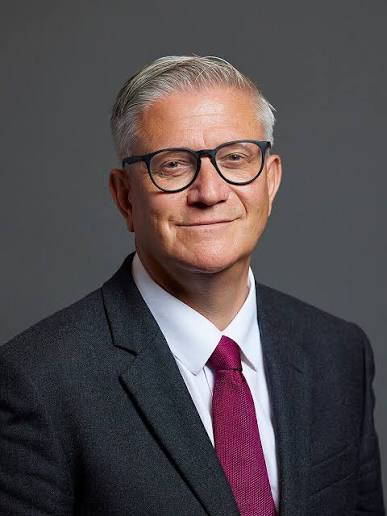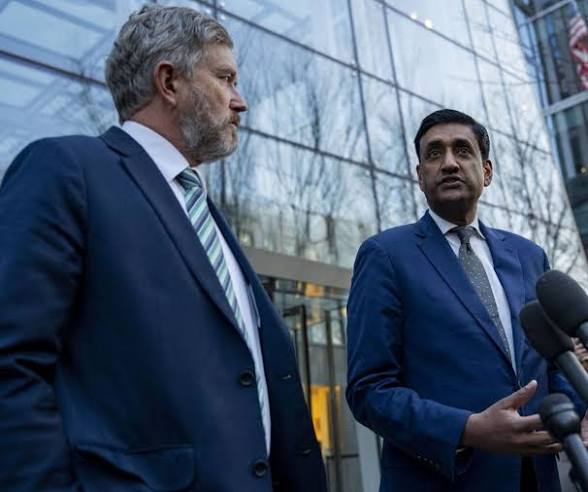
Sultan Ahmed bin Sulayem Epstein Files: torture video claim, global outra
Introduction: Elite Power and the Epstein Files Storm
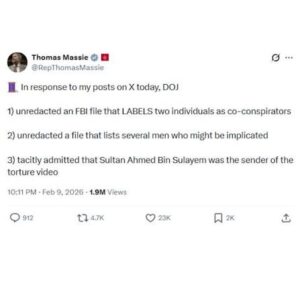
In 2026, the release of previously sealed Epstein files by the U.S. Department of Justice (DOJ) has unleashed waves of global controversy, placing the world’s powerful under scrutiny — from political leaders to global business titans. Among the most startling revelations is the appearance of Emirati billionaire Sultan Ahmed bin Sulayem — chairman and CEO of DP World, one of the world’s largest port-operating companies — in communications with the disgraced financier Jeffrey Epstein.
Reports emerging from unredacted DOJ material suggest an extended relationship between Sulayem and Epstein spanning more than a decade, including explicit email exchanges, business networking, and controversial acts that have sparked global religious and political outrage. Most explosive of all are allegations tied to a redacted email referenced by U.S. Representative Thomas Massie that refers to a “torture video” — a claim that has intensified calls for full transparency of the Epstein files and raised questions about accountability at the highest levels.
This article breaks down the intricacies of the controversy, the evidence and claims surrounding Sulayem’s involvement, the worldwide backlash — including from the Muslim world over sacred artifacts — and how this saga fits into the broader narrative of elite complicity in one of the most damaging scandals of recent memory.
Who Is Sultan Ahmed bin Sulayem?
Sultan Ahmed bin Sulayem is a Dubai-based business leader and one of the most powerful executives in the Middle East, serving as chairman and CEO of DP World, a logistics behemoth that operates major ports across multiple continents and is vital to global supply chains.
Sulayem’s name first surfaced in public consciousness through connections with international trade, real-estate development, and high-level diplomatic circles. But it was the unsealing of certain Epstein files — including emails and images from DOJ records — that thrust him into the spotlight amid controversy.
According to news reports based on these newly unredacted documents, Sulayem’s correspondence with Epstein included explicit and personal email exchanges, demonstrating a level of familiarity with Epstein long after Epstein’s 2008 conviction for solicitation of a minor.
Unmasked in the Epstein Files: Emails and Business Networking
The newly released Epstein documents contain email exchanges between Sultan Ahmed bin Sulayem and Jeffrey Epstein — some spanning years after Epstein’s 2008 conviction.
Among the details:
Correspondence discussing sexual experiences and personal interactions.
Exchange of business and networking communications, including leverage of Epstein’s connections to facilitate introductions for infrastructure and diplomatic initiatives.
Epstein acting as an intermediary between Sulayem and figures such as a former UK business minister to advance the £1.8bn London Gateway port project.
These revelations complicate Sulayem’s public image, raising questions about judgment, associations, and the ethical implications of maintaining close ties with a convicted sex offender. Analysts argue that, while business relations with influential players are common among global executives, some of these exchanges go far beyond the ordinary.
The “Torture Video” Email: Massie’s Bombshell Claim
In February 2026, U.S. Representative Thomas Massie claimed that one of the redacted names in the DOJ’s Epstein files appears to correspond to a “Sultan” who sent a torture video — creating one of the most explosive allegations yet tied to the documents.
Massie’s comments stem from broader congressional pressure on the DOJ to remove redactions that lawmakers say are hiding potentially incriminating names. He urged the DOJ to make unredacted files public, alleging that the name of a powerful foreign figure — believed by some analysts and commentators to be Sultan Ahmed bin Sulayem — was concealed and tied to disturbing content.
Although no mainstream news outlet has directly confirmed the identity or context of this video independently, the claim has ignited calls for transparency from both sides of the political spectrum. Critics argue that if such material exists, the public deserves access to it under the law governing the release of the Epstein files, while defenders of the DOJ redaction process note legal obligations to safeguard privacy and sensitive material.
The “torture video” reference — however unverified beyond claims — has become a flashpoint in debates over accountability, transparency, and how unredacted evidence should be handled in cases involving international figures and possible crimes.
Global Outrage Over Sacred Artifacts and Cultural Insensitivity
In addition to emails and contentious messages, the DOJ files also contain images that have sparked widespread outrage across the Muslim world.
One particularly inflammatory revelation shows Sultan Ahmed bin Sulayem and Jeffrey Epstein standing over what appears to be a portion of the Kiswa — the sacred cloth that covers the Kaaba in Mecca — laid out on the floor of Epstein’s residence.
The Kiswa holds immense religious significance in Islam, and its appearance outside of formal religious contexts — particularly associated with Epstein — has provoked anger and condemnation from Muslim communities globally. Critics describe the image as culturally insensitive and profoundly disrespectful, igniting debates on how revered religious artifacts are distributed and potentially misused.
Loss of trust and respect can have diplomatic repercussions, leading to broader discourse on moral responsibilities for business leaders, custodians of cultural heritage, and nations whose citizens revere religious symbols. The outrage exemplifies how the Epstein leaks extend far beyond domestic politics or U.S. law enforcement — touching on religion, international relations, and cultural dignity.
The Broader Context: Elite Networks and Epstein’s Reach
Sultan Ahmed bin Sulayem’s involvement in the Epstein files is not an isolated case. The Epstein documents reveal a labyrinth of connections linking the convicted financier to business titans, politicians, royals, and cultural influencers— underscoring the extensive reach of his network.
Reporting suggests Epstein maintained connections with global elites long after his 2008 conviction, including social and professional relationships that allowed him continued access to powerful circles.
These unredacted names and communications now fuel ongoing debates over power, impunity, and accountability, especially where influential figures may have engaged with or enabled Epstein’s activities. The release and scrutiny of these files could reshape public perceptions of elite conduct and influence legal and political standing worldwide.
Calls for Transparency: What Lawmakers Want
Public and congressional pressure is mounting on the DOJ to fully comply with the Epstein Files Transparency Act — the law that mandated the release of Epstein-related documents, with certain limited exceptions for privacy concerns.
Lawmakers like Massie have pushed for:
Immediate release of fully unredacted files where legally permitted.
Detailed explanations for any redactions still present.
Oversight hearings to clarify how names and evidence were initially withheld.
Deputy Attorney General Todd Blanche has defended DOJ redactions, stating that privacy laws and active legal obligations require careful review before full publication. However, the DOJ has also removed many redactions in response to these concerns, unveiling previously hidden names and reducing the number of obscured entries significantly.
The tension between transparency and legal constraint illustrates the complex balance of priorities when releasing highly sensitive material.
What Happens Next? Possible Outcomes
Several likely developments could follow as the Sultan Ahmed bin Sulayem controversy unfolds within the Epstein files saga:
Further DOJ Releases: Additional unredacted files could be made public, clarifying communications and revealing more connections.
Congressional Hearings: Oversight committees may summon DOJ officials and other figures to explain redaction decisions and content uncovered in the files.
International Backlash: Continued uproar from religious communities and governments — especially regarding cultural offense — may prompt diplomatic responses and demands for accountability.
Reputational Fallout: Individuals named in the files — including Sulayem — may face reputational and business consequences in global markets.
Each outcome carries ramifications for legal norms, elite accountability, cultural sensitivity, and international relations.
FAQs: Understanding the Controversy
1. Why is Sultan Ahmed bin Sulayem mentioned in the Epstein files?
Unredacted DOJ documents show email exchanges between Sulayem and Jeffrey Epstein decades after Epstein’s 2008 conviction, indicating business and personal communications.
2. What is the “torture video” claim?
U.S. Rep. Thomas Massie suggested that one redacted name in the DOJ files may belong to a powerful foreign figure referenced in connection with a “torture video,” though mainstream media has not independently verified the video’s existence.
3. Why are people outraged globally about this situation?
A newly released image in the Epstein files allegedly shows a portion of the Kiswa — the sacred Kaaba cloth — laid out inside Epstein’s residence with Sulayem present, prompting religious backlash from Muslim communities.
4. Is Sulayem accused of criminal conduct?
As of now, there are no formal criminal charges against Sultan Ahmed bin Sulayem related to Epstein’s crimes. The controversy revolves around associations and communications revealed in the files.
5. What are lawmakers demanding?
Lawmakers want the DOJ to release fully unredacted Epstein files, explain redactions, and uphold the transparency law’s intent.
About the Author