Steve Rattner Warning : inflation surge, spending crisis, US economy alert
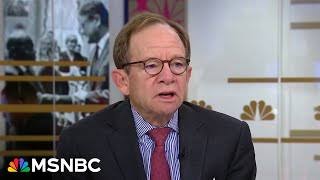
The global financial landscape is once again on edge as prominent investor and economic analyst Steve Rattner raises alarms about a potential inflation surge and a growing spending crisis in the United States. His warning has sparked widespread debate among policymakers, investors, and economists, particularly as the US economy navigates post-pandemic recovery challenges, geopolitical tensions, and shifting monetary policies.
Rattner’s insights carry weight due to his extensive experience in both public policy and private finance. His concerns highlight structural vulnerabilities that could significantly impact not only the United States but also the global economy.
This article explores the key elements behind the warning, the risks associated with rising inflation, the role of government spending, and what it all means for everyday Americans.
Understanding Steve Rattner’s Warning
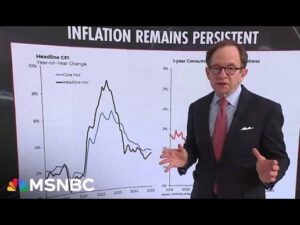
Steve Rattner’s warning centers around two critical issues:
- A potential resurgence of inflation
- An unsustainable government spending trajectory
According to Rattner, while inflation had shown signs of cooling after aggressive rate hikes, underlying pressures remain strong. These include wage growth, energy costs, and persistent supply chain disruptions.
At the same time, government spending continues at a pace that could exacerbate inflationary pressures. This combination, he argues, creates a dangerous economic environment.
The Inflation Surge: What’s Driving It?
1. Persistent Consumer Demand
Despite higher interest rates, consumer spending in the US remains resilient. This sustained demand keeps prices elevated, especially in sectors like housing, healthcare, and services.
2. Wage Growth Pressures
The labor market remains tight, pushing wages upward. While this benefits workers, it also contributes to inflation as businesses pass higher labor costs onto consumers.
3. Energy and Commodity Volatility
Global conflicts and supply constraints continue to impact oil and gas prices. Energy costs play a major role in inflation, influencing everything from transportation to food prices.
4. Monetary Policy Lag
The Federal Reserve has implemented aggressive rate hikes, but monetary policy operates with a lag. The full effects are still unfolding, making it difficult to gauge whether inflation is truly under control.
Government Spending Crisis Explained
Rising Fiscal Deficits
The US government has significantly increased spending in recent years, driven by:
- Pandemic relief programs
- Infrastructure investments
- Defense spending
While these initiatives support economic growth, they also contribute to higher deficits.
Debt Concerns
The growing national debt raises long-term sustainability issues. As debt levels rise, so do interest payments, which can crowd out other essential spending.
Stimulus vs Stability
Rattner warns that continued fiscal stimulus, especially in an already overheated economy, may worsen inflation rather than support sustainable growth.
Impact on the US Economy
1. Higher Interest Rates for Longer
If inflation remains elevated, the Federal Reserve may be forced to maintain higher interest rates. This affects:
- Mortgage rates
- Business loans
- Credit card interest
2. Slower Economic Growth
Higher borrowing costs can reduce investment and consumer spending, slowing overall economic growth.
3. Market Volatility
Stock markets tend to react negatively to inflation uncertainty. Investors may shift toward safer assets, leading to increased volatility.
4. Pressure on Middle-Class Households
Inflation disproportionately affects middle- and lower-income households, as they spend a larger share of their income on essentials.
Global Implications
The US economy plays a central role in the global financial system. Any instability can have ripple effects worldwide:
- Emerging markets may face capital outflows
- Currency fluctuations could intensify
- Global trade may slow
Rattner’s warning is not just a domestic concern—it’s a global one.
Historical Context: Lessons from the Past
The United States has faced inflation crises before, most notably in the 1970s. During that period:
- Inflation reached double digits
- Interest rates soared
- Economic growth stagnated
The lessons from that era highlight the importance of timely policy intervention and disciplined fiscal management.
Is the Economy Heading Toward Stagflation?
One of the biggest fears raised by analysts is stagflation—a combination of:
- High inflation
- Slow economic growth
- Rising unemployment
While current conditions do not fully meet this definition, the risk is increasing. Rattner’s warning suggests that without corrective measures, the US could move closer to this scenario.
Policy Responses: What Can Be Done?
1. Tighter Monetary Policy
The Federal Reserve may need to:
- Continue rate hikes
- Maintain restrictive policies longer than expected
2. Fiscal Discipline
Reducing government spending and controlling deficits could help ease inflationary pressures.
3. Supply-Side Reforms
Improving supply chains and boosting productivity can help balance demand and reduce price pressures.
4. Energy Policy Stability
Stabilizing energy markets is crucial for controlling inflation, given their widespread impact.
What This Means for Investors
Investors should consider adjusting their strategies in response to economic uncertainty:
- Diversify portfolios
- Focus on inflation-resistant assets
- Monitor interest rate trends
Sectors like energy, commodities, and defensive stocks may perform better in an inflationary environment.
What Households Should Do
1. Budget Carefully
Rising prices require more disciplined financial planning.
2. Manage Debt
Avoid high-interest debt where possible, as borrowing costs may increase further.
3. Build Emergency Savings
Economic uncertainty makes financial buffers more important than ever.
Expert Opinions on Rattner’s Warning
While many economists agree with Rattner’s concerns, others believe inflation will gradually decline as supply chains normalize and demand stabilizes.
However, even optimistic forecasts acknowledge that risks remain elevated.
The Road Ahead for the US Economy
The US economy stands at a crossroads. Key factors that will shape its future include:
- Federal Reserve policy decisions
- Government spending trends
- Global economic conditions
Rattner’s warning serves as a reminder that economic stability requires careful balancing of growth and inflation control.
Conclusion
The warning issued by Steve Rattner underscores the fragile state of the US economy. With inflation risks lingering and government spending remaining high, the path forward is uncertain.
Policymakers must act decisively to prevent a potential crisis, while investors and households should prepare for continued volatility.
Whether or not the worst-case scenario unfolds, one thing is clear: the economic landscape is shifting, and staying informed is more important than ever.
FAQs
1. Who is Steve Rattner?
Steve Rattner is an American financier, investor, and former government official known for his expertise in economic policy and financial markets.
2. Why is inflation rising again?
Inflation is driven by strong consumer demand, wage growth, energy costs, and lingering supply chain issues.
3. What is the spending crisis in the US?
It refers to high government spending and rising deficits, which may contribute to inflation and long-term debt problems.
4. How does inflation affect everyday people?
Inflation reduces purchasing power, making goods and services more expensive, especially essentials like food and housing.
5. What role does the Federal Reserve play?
The Federal Reserve controls monetary policy, including interest rates, to manage inflation and economic stability.
6. Could the US face a recession?
While not certain, high inflation and interest rates increase the risk of slower growth or recession.
7. What is stagflation?
Stagflation is a situation where inflation is high, economic growth is slow, and unemployment rises simultaneously.
8. How can investors protect themselves?
Diversification and focusing on inflation-resistant assets can help mitigate risks.
How useful was this post?
Click on a star to rate it!
Average rating 0 / 5. Vote count: 0
No votes so far! Be the first to rate this post.
About the Author

usa5911.com
Administrator
Hi, I’m Gurdeep Singh, a professional content writer from India with over 3 years of experience in the field. I specialize in covering U.S. politics, delivering timely and engaging content tailored specifically for an American audience. Along with my dedicated team, we track and report on all the latest political trends, news, and in-depth analysis shaping the United States today. Our goal is to provide clear, factual, and compelling content that keeps readers informed and engaged with the ever-changing political landscape.