Steve Daines Drops Senate Bid: Endorses Successor Just Before Deadline
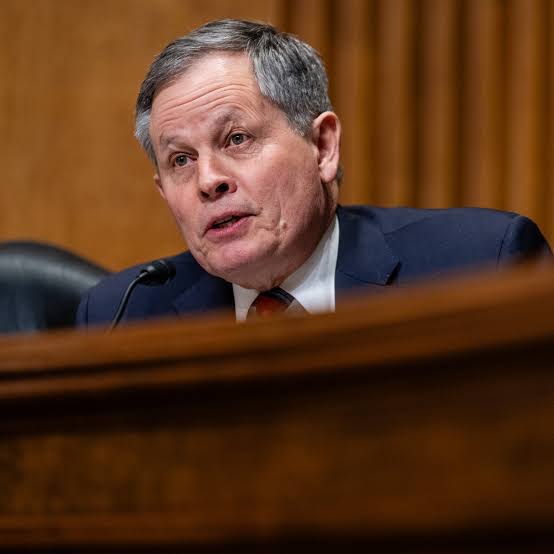
In a dramatic twist that shocked political observers across the United States, Steve Daines announced he would not seek reelection to the U.S. Senate just minutes before Montana’s candidate filing deadline. The unexpected move immediately reshaped the political landscape in the state and ignited controversy across party lines.
The Montana Republican senator not only withdrew from the race but also endorsed former U.S. attorney Kurt Alme as his preferred successor. The last-minute endorsement allowed Alme to enter the race before the deadline, effectively positioning him as the leading Republican candidate in the upcoming election.
The announcement comes at a critical moment in American politics, as parties prepare for the high-stakes 2026 United States Senate elections. With control of Congress potentially at stake, Daines’s decision has triggered debates about political strategy, succession planning, and transparency within party leadership.
This article explores why Daines stepped aside, who Kurt Alme is, how the decision impacts Montana politics, and what it means for the 2026 Senate race.
A Shock Announcement Before the Deadline
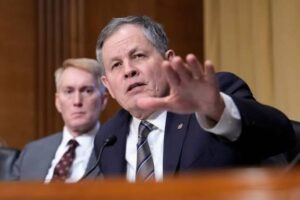
The political shock unfolded just before Montana’s candidate filing deadline, when Senator Daines formally withdrew his reelection paperwork. Until that moment, he had been widely expected to seek a third term in the Senate.
According to reports, the senator cited personal reasons and a desire to spend more time in Montana with his family after more than a decade in Congress.
Daines had previously filed reelection paperwork earlier in the year, making his sudden reversal particularly surprising to many political analysts. The timing ensured that his endorsed candidate could enter the race at the last minute.
Critics quickly argued that the move limited the possibility of a competitive Republican primary. Supporters, however, described it as a strategic transition that would maintain party unity in a reliably Republican state.
Who Is Steve Daines?
Steve Daines has been one of Montana’s most prominent Republican figures for more than a decade.
His political career includes:
U.S. House of Representatives: Elected in 2012
U.S. Senate: First elected in 2014
Reelected: 2020 with about 55% of the vote
Party leadership role: Former chairman of the National Republican Senatorial Committee
During his tenure, Daines focused on issues such as economic development, energy policy, and federal land management.
He was also considered a strong ally of Donald Trump and played a major role in Republican efforts to win Senate seats during recent election cycles.
Despite his influence, Daines said serving Montana had been “the greatest honor” of his career and signaled that it was time for a new generation of leadership.
The Rise of Kurt Alme
With Daines stepping aside, the spotlight quickly turned to Kurt Alme.
Alme is a former U.S. attorney for the District of Montana who previously served during the Trump administration. His background includes work as a federal prosecutor and legal adviser in the state government.
Key points about Alme:
Former U.S. attorney for Montana
Worked with Montana state leadership
Known for experience in federal law and legal policy
Entered the race just before the filing deadline
Daines’s endorsement gave Alme immediate credibility within Republican circles.
Soon after the announcement, Donald Trump also endorsed Alme, strengthening his position as the leading Republican candidate in the race.
Political Reactions Across the Spectrum
The surprise announcement triggered immediate reactions from political leaders, activists, and analysts.
Republican Reaction
Many Republicans praised Daines for planning a smooth leadership transition.
Party strategists argue that by endorsing a successor early, Republicans can avoid a divisive primary and focus on winning the general election.
Montana Governor Greg Gianforte and other state leaders have signaled support for Alme’s candidacy.
Democratic Response
Democrats criticized the timing of the move, arguing that it limited open competition within the Republican Party.
Some political observers said the last-minute endorsement gave Alme an advantage over other potential candidates who might have entered the race earlier.
Independent Candidate Enters the Race
Adding further complexity to the race, former University of Montana president Seth Bodnar announced an independent campaign.
Bodnar, an Army veteran and former university leader, says he plans to appeal to voters who feel disconnected from both major parties.
His campaign platform emphasizes:
Economic affordability
Independent leadership
Political reform
Although independent candidates face steep odds in statewide elections, Bodnar’s entry introduces new dynamics into the race.
Montana’s Political Landscape
Montana has traditionally leaned Republican in recent federal elections.
In the 2024 presidential election, the state strongly supported Republican candidates, reinforcing its reputation as a conservative stronghold.
Political analysts generally categorize Montana as a “safe Republican” seat in Senate races.
However, unexpected developments—such as Daines stepping down—can still shift campaign dynamics.
The upcoming election is scheduled for November 2026, when voters will choose the next senator representing Montana.
Why the Timing Matters
The timing of Daines’s withdrawal has become a major talking point.
Because it occurred just before the filing deadline, potential challengers had little time to organize campaigns.
Political analysts say this type of maneuver can have several effects:
1. Limits Primary Competition
A late withdrawal reduces the chance of multiple candidates entering the race.
2. Strengthens Party Control
Party leaders can rally around a single candidate.
3. Reduces Campaign Chaos
Avoiding internal conflict helps focus resources on the general election.
Still, critics argue that voters deserve broader choices during primary elections.
The Broader National Context
Daines’s decision also reflects broader trends ahead of the 2026 midterm elections.
Several senators from both parties have announced they will not seek reelection, creating open seats across the country.
Open-seat races often become some of the most competitive contests because they lack an incumbent advantage.
For Republicans, maintaining strong candidates in safe states like Montana is seen as essential to protecting their Senate majority.
Trump’s Influence in the Race
Former president Donald Trump remains a powerful figure in Republican politics.
His endorsement of Kurt Alme quickly amplified the candidate’s national visibility.
Trump described Alme as an “exceptional” candidate and praised Daines for his years of service.
Political analysts say Trump’s support can be a decisive factor in Republican primaries, particularly in conservative states like Montana.
What Happens Next?
With the filing deadline passed, the race is beginning to take shape.
Major steps in the election timeline include:
Campaign season begins across Montana
Primary elections scheduled for June 2026
General election in November 2026
Candidates will spend the coming months fundraising, organizing grassroots campaigns, and debating key issues affecting voters.
Key Issues in the Montana Senate Race
Although the race is still developing, several major policy topics are expected to dominate the campaign:
Energy and Natural Resources
Montana’s economy relies heavily on energy production, mining, and agriculture.
Public Land Policy
Federal land management remains a sensitive issue for rural communities.
Economic Development
Candidates will likely debate policies to support local businesses and reduce inflation.
National Security
Foreign policy and defense issues may also influence voters during the midterm election cycle.
Impact on the Republican Party
Daines’s decision carries significant implications for the Republican Party.
By stepping aside voluntarily, he avoided a potentially contentious reelection campaign.
This approach allows Republicans to introduce a new candidate while maintaining unity within the party.
Strategists believe that a smooth transition can strengthen the GOP’s chances of retaining the seat.
Historical Perspective
Montana politics has often produced dramatic election moments.
From surprise candidacies to late campaign withdrawals, the state’s political history includes numerous unexpected developments.
Daines’s last-minute exit now joins that list of dramatic election events.
Political historians say the move illustrates how strategic decisions can reshape elections in an instant.
The Road Ahead
As the 2026 election approaches, the Montana Senate race will attract increasing national attention.
Several factors will determine the outcome:
Candidate fundraising
National political climate
Voter turnout
Key endorsements
While Republicans remain favored to win the seat, the race could still produce surprises.
Conclusion
The decision by Steve Daines to drop his Senate reelection bid just before the filing deadline represents one of the most dramatic political developments of the 2026 election cycle.
By endorsing Kurt Alme as his successor, Daines reshaped the Montana Senate race and sparked debates about political strategy and party influence.
Whether the move ultimately strengthens Republican control or opens the door to new political challenges will become clear as the campaign unfolds.
For now, one thing is certain: the Montana Senate race has instantly become one of the most closely watched contests in the upcoming midterm elections.
FAQs
Why did Steve Daines drop his Senate bid?
Steve Daines said he decided not to seek reelection to spend more time with family and allow new leadership to represent Montana.
Who did Steve Daines endorse as his successor?
Daines endorsed former U.S. attorney Kurt Alme, who filed to run just before the candidate deadline.
When is the Montana Senate election in 2026?
The general election is scheduled for November 2026, with primary elections expected in June.
Is the Montana Senate seat competitive?
Montana is generally considered a Republican-leaning state, but open seats can still produce competitive races.
Who else is running in the race?
Independent candidate Seth Bodnar has also entered the race, adding another dimension to the contest.
How useful was this post?
Click on a star to rate it!
Average rating 0 / 5. Vote count: 0
No votes so far! Be the first to rate this post.
About the Author

usa5911.com
Administrator
Hi, I’m Gurdeep Singh, a professional content writer from India with over 3 years of experience in the field. I specialize in covering U.S. politics, delivering timely and engaging content tailored specifically for an American audience. Along with my dedicated team, we track and report on all the latest political trends, news, and in-depth analysis shaping the United States today. Our goal is to provide clear, factual, and compelling content that keeps readers informed and engaged with the ever-changing political landscape.