Sean Duffy: GOP media push, conservative debate, election 2026 heat
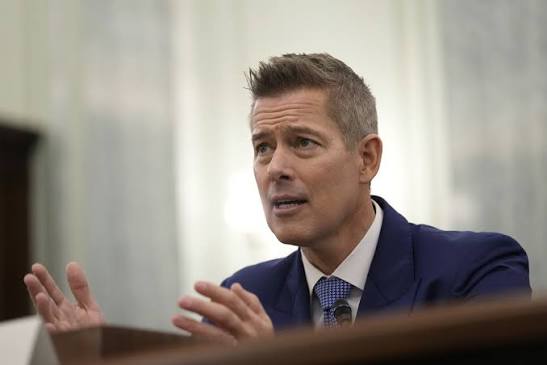
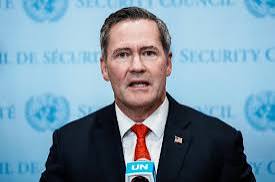
As the United States heads toward the high-stakes 2026 midterm elections, media narratives, political messaging, and ideological battles are intensifying. At the center of this evolving political ecosystem is Sean Duffy, whose growing presence in conservative media circles is shaping the Republican Party’s communication strategy.
From his role in national politics to his increasing influence in media-driven discourse, Duffy represents a broader Republican effort to control narratives, energize voters, and sharpen ideological divides. With debates over national security, economic policy, and cultural identity dominating headlines, the GOP media push—amplified by figures like Duffy—is becoming a decisive factor in the 2026 election cycle.
Sean Duffy’s Political Evolution
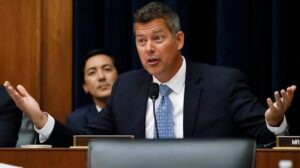
Before becoming a prominent media voice, Sean Duffy served as a U.S. Congressman representing Wisconsin. Known for his conservative values and strong alignment with Republican priorities, Duffy built his reputation on issues such as fiscal responsibility, law enforcement support, and limited government.
In recent years, his transition into media and executive roles—reportedly including involvement in transportation policy discussions—has expanded his influence beyond Capitol Hill. His continued engagement with political debates signals a strategic shift: leveraging media as a tool for political impact.
The GOP Media Strategy in 2026
The Republican Party’s media push is not accidental—it is a calculated response to an increasingly fragmented and polarized information landscape.
Key Components of the Strategy
- Message Amplification Through Media Personalities
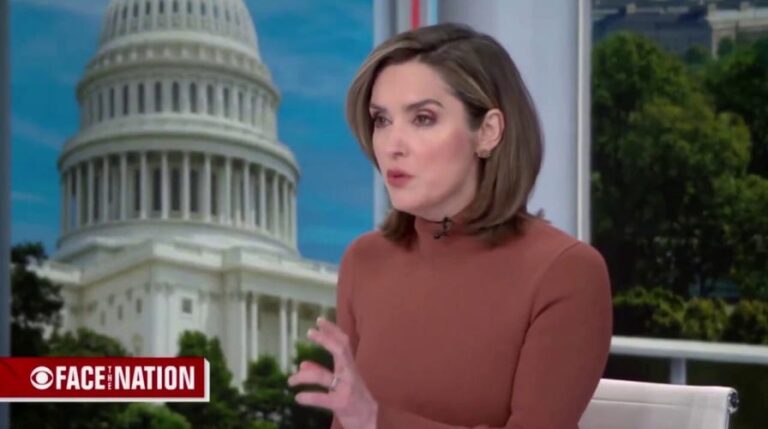
Conservative figures like Tucker Carlson have shown how media influence can rival traditional political power. Discussions around Carlson’s potential political ambitions highlight the blurred line between media and governance. - Direct Voter Engagement
Republicans are focusing on direct communication channels—social media, podcasts, and televised commentary—to bypass traditional news filters. - Narrative Control
Issues like immigration, national security, and economic instability are framed to resonate emotionally with voters, often becoming central talking points across conservative platforms.
Sean Duffy’s Role in Conservative Media Push
Duffy has increasingly positioned himself as a key communicator for Republican priorities. His messaging often emphasizes:
- Government accountability
- Border security and national safety
- Criticism of Democratic policies
For example, during debates over federal operations, Duffy publicly criticized Democrats, urging them to “come to their senses” amid disruptions affecting national systems.
Such statements are not isolated—they reflect a broader GOP strategy of framing policy disputes as urgent national concerns.
The Rise of Conservative Debate Culture
Political debate in the U.S. has transformed significantly over the past decade. Rather than fostering balanced discussions, many platforms now function as ideological arenas.
Research indicates that genuine disagreement in cable news debates has declined, with programs increasingly reinforcing partisan viewpoints.
Impact on Voters
- Echo Chambers: Audiences are exposed primarily to views that align with their beliefs
- Increased Polarization: Political divisions deepen as opposing perspectives diminish
- Emotional Engagement: Content is designed to provoke strong reactions rather than nuanced understanding
Duffy’s communication style aligns with this trend—clear, assertive, and often framed in moral or ideological terms.
Key Issues Driving the 2026 Election Debate
The 2026 election cycle is being shaped by several high-impact issues:
1. National Security and Immigration
Republicans are prioritizing border control and national security, framing them as existential challenges. These themes frequently dominate conservative media narratives.
2. Economic Concerns
Rising costs of living and economic uncertainty remain central voter concerns. Political messaging often ties these issues to broader policy debates.
3. Cultural and Social Issues
Debates over education, identity, and values continue to energize the Republican base, with media playing a crucial role in amplifying these topics.
Media Personalities vs Traditional Politicians
The rise of figures like Tucker Carlson illustrates a significant shift: media personalities are increasingly shaping political agendas.
Duffy’s growing presence in media suggests that he understands this shift. Rather than relying solely on legislative influence, he leverages public platforms to:
- Influence voter perception
- Frame policy debates
- Mobilize grassroots support
This hybrid role—part politician, part media figure—is becoming more common in modern American politics.
Republican Momentum and 2026 Outlook
Despite challenges, Republican leaders remain optimistic about their chances in 2026. Party officials have expressed confidence in regaining or maintaining political power, even amid a complex electoral landscape.
Factors Supporting GOP Momentum
- Strong base voter engagement
- Effective media messaging
- Focus on key issues like security and economy
However, the outcome will depend heavily on how well the party balances messaging with policy solutions.
Criticism and Controversies
The GOP media push—and Duffy’s role within it—has not been without criticism.
Common Critiques
- Oversimplification of Issues: Critics argue that complex problems are reduced to partisan talking points
- Polarization: Media-driven strategies may deepen divisions rather than encourage dialogue
- Selective Narratives: Opponents claim that messaging often highlights certain facts while ignoring others
These criticisms reflect broader concerns about the role of media in shaping political discourse.
The Future of Political Communication
The 2026 election is likely to further redefine how political communication works in the United States.
Emerging Trends
- Increased reliance on digital platforms
- Greater integration of media and politics
- More personalized messaging strategies
Figures like Sean Duffy are at the forefront of this transformation, demonstrating how media influence can shape political outcomes.
Conclusion
Sean Duffy’s growing influence highlights a fundamental shift in American politics: the fusion of media and governance. As the GOP intensifies its media push ahead of the 2026 elections, figures like Duffy are playing a critical role in shaping narratives, mobilizing voters, and defining the ideological battleground.
Whether this strategy will translate into electoral success remains to be seen. However, one thing is clear—the intersection of media and politics will continue to define the future of American democracy.
FAQs
1. Who is Sean Duffy?
Sean Duffy is a former U.S. Congressman and conservative political figure known for his media presence and role in Republican policy discussions.
2. What is the GOP media push?
The GOP media push refers to the Republican Party’s strategy of using media platforms to promote its policies, influence public opinion, and mobilize voters.
3. Why is Sean Duffy important in 2026 politics?
Duffy plays a key role in shaping conservative narratives and engaging voters through media, making him influential in the 2026 election cycle.
4. How does media affect political debates?
Media platforms often shape how issues are presented, influencing voter perception and sometimes reinforcing partisan viewpoints.
5. What are the main issues in the 2026 election?
Key issues include national security, economic concerns, immigration, and cultural debates.
How useful was this post?
Click on a star to rate it!
Average rating 0 / 5. Vote count: 0
No votes so far! Be the first to rate this post.
About the Author

usa5911.com
Administrator
Hi, I’m Gurdeep Singh, a professional content writer from India with over 3 years of experience in the field. I specialize in covering U.S. politics, delivering timely and engaging content tailored specifically for an American audience. Along with my dedicated team, we track and report on all the latest political trends, news, and in-depth analysis shaping the United States today. Our goal is to provide clear, factual, and compelling content that keeps readers informed and engaged with the ever-changing political landscape.