São Paulo: Workers Strike,Coffee Labor Abuse,Union Fury
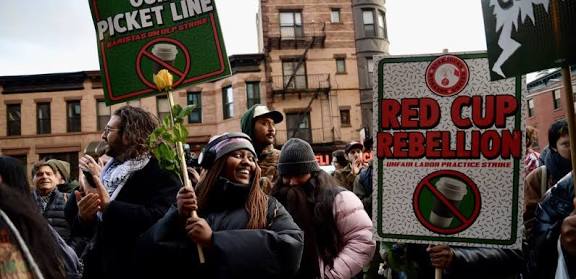
Nestle said: “We do not tolerate labor rights violations and … coffee workers often use toxic pesticides that are banned. Today we will discuss about São Paulo: Workers Strike,Coffee Labor Abuse,Union Fury
São Paulo: Workers Strike,Coffee Labor Abuse,Union Fury
São Paulo, Brazil’s most populous state and its economic powerhouse, has become a focal point of labor struggles that reveal deep tensions in national and global labor relations. In recent weeks, workers’ mobilizations — from protests against labor exploitation in the coffee industry to mounting union outrage over working conditions — have captured public attention and cast a spotlight on enduring structural inequalities. This article examines the context, causes, protagonists, and potential ramifications of these labor actions in São Paulo, providing an insightful and comprehensive narrative of a city and region grappling with the demands of its workforce.
The Recent Mobilization: Workers Protest Labor Abuse in the Coffee Supply Chain
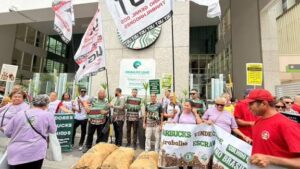
On January 26, 2026, a major protest unfolded along Avenida Paulista — São Paulo’s emblematic thoroughfare — where rural workers, union members, and civil society activists confronted the stark realities of labor abuse within Brazil’s coffee sector. The demonstration was organized by the Articulação dos Empregados Rurais de Minas Gerais (ADERE/MG) with support from powerful unions including the Central Única dos Trabalhadores (CUT) and the União Geral dos Trabalhadores (UGT).
The protest, held in front of a Starbucks unit, was not merely symbolic; it cast a harsh light on the conditions faced by coffee pickers in the sul de Minas Gerais, a region critical to Brazil’s coffee exports. Workers and activists allege pervasive violations of basic labor rights, including:
Informal employment with little to no formal contracts
Endemic debt cycles that trap workers financially
Lack of Personal Protective Equipment (PPE) and safety safeguards
Deplorable living conditions, such as inadequate housing and sanitation for laborers on plantations
Organizers stressed that these conditions are not isolated but are symptomatic of broader systemic exploitation within agricultural production chains that supply multinational corporations. The choice of Starbucks as a protest site was deliberate: while the global coffee giant is often celebrated for ethical branding, activists claim that exploitation may persist deep in the supply chain, even among farms with sustainability certifications.
Linking Local Labor Struggles to Global Unrest
What makes this protest especially significant is its connection to a broader, international labor movement. Workers and union representatives at the São Paulo event drew parallels between conditions affecting rural coffee workers in Brazil and ongoing labor disputes involving Starbucks employees in the United States. Since November 2025, baristas represented by Starbucks Workers United have engaged in protracted strikes in multiple U.S. cities, demanding higher wages, predictable schedules, and an end to anti-union practices.
This transnational solidarity highlights how local grievances in São Paulo are not isolated but part of a larger pattern of worker dissatisfaction with the global corporate labor model — one critics argue prioritizes profits over human rights.
The Historical Context: Labor Movements in São Paulo
To understand today’s labor tensions, it’s essential to view them through a historical lens. São Paulo has long been a center of organized labor struggle in Brazil.
Early 20th Century Union Roots
The city’s labor movement found early expression in organizations like the Federação Operária de São Paulo (FOSP), a union formed by workers advocating for collective rights, wage increases, and reduced working hours, inspired in part by European anarchist currents.
The 1978–1980 ABC Paulista Strikes
The ABC Paulista strikes — a series of coordinated walkouts across São Paulo’s industrial belt — became a defining chapter in Brazilian labor history. Workers in cities such as Santo André, São Bernardo do Campo, and São Caetano do Sul mobilized against pay cuts and authoritarian labor practices. These strikes helped invigorate independent unionism in Brazil after years of repression during the military dictatorship, paving the way for organizations that would later challenge national labor norms.
1984 Boias‑Frias Strike
Another pivotal moment was the 1984 strike of boias‑frias (manual farm laborers) in Guariba, São Paulo — an early example of rural labor militancy in the region. Workers protesting exploitative conditions in sugar- and citrus-harvesting fields took collective action to demand better pay and working conditions.
These historical movements reveal that São Paulo’s contemporary labor activism, including the recent protest against coffee sector abuses, is part of a long tradition of collective struggle against economic inequality and worker exploitation.
Union Fury: Mobilization Beyond the Coffee Sector
While the coffee supply chain protest was a high-profile event, labor unrest in São Paulo is not limited to rural complaints. Urban workers, including those in service industries and public transit, have also been involved in recent and ongoing disputes.
Airport Strike Action
In December 2025, union affiliates, including SIEMACO-SP and FEMACO, organized labor actions at the Guarulhos International Airport, temporarily shutting down Starbucks operations within the terminal as part of a coordinated global protest. This mobilization included support from the Service Employees International Union (SEIU) — a major labor body from the United States — highlighting global solidarity with workers addressing labor conditions.
Workers involved in these protests also voiced grievances over instances where corporate mismanagement left staff unpaid or abruptly dismissed, compounding frustration over working conditions.
Urban Strikes and Transport Workers
Beyond service sector disputes, public transportation workers in São Paulo have a history of walkouts and contentious negotiations with authorities. In past years, metro, train, and utility employees (including those from the Companhia Paulista de Trens Metropolitanos (CPTM) and Sabesp) engaged in strikes that led to legal challenges and fines imposed by courts claiming that walkouts disrupted essential services.
While these events are not directly connected to the coffee labor abuse protests, they reflect an environment where disputes over rights, wages, and working conditions are recurrent and often intersect with legal and political arguments about the nature of essential services and the protections afforded to workers.
Union Responses: Demands and Political Pressure
Central to the protests in São Paulo is the role of unions as intermediaries and agitators for worker rights. Key labor organizations such as CUT, UGT, Sindicato dos Comerciários de São Paulo, Sinthoresp, and Femaco played prominent roles in the January 26 protest.
Their demands include:
1. Stronger Government Oversight and Enforcement
Protesters called for the Brazilian government to enhance inspection and enforcement mechanisms to combat labor abuse throughout supply chains — especially in agriculture. They argue that current regulations and oversight are inadequate to prevent exploitation, leaving many workers vulnerable.
2. Corporate Accountability
Unions are pushing for legal frameworks that hold multinational corporations responsible for labor conditions not only within their direct operations but also throughout supplier networks. This includes support for policies that establish a human rights and business accountability framework in Brazilian law.
3. Improved Working Conditions and Protections
In urban contexts, demands have extended beyond safety to cover wages, job security, workplace dignity, and protections against arbitrary dismissal or punitive labor practices.
4. International Solidarity
By linking their movements to global labor struggles, Brazilian unions hope to exert pressure on multinational corporations and amplify their voice beyond national boundaries.
Government and Corporate Reactions
Reactions from governmental and corporate stakeholders have been varied and often contentious.
Government Position
Authorities often emphasize legal boundaries for labor actions, especially where strikes impact essential services. Legal injunctions and fines have been imposed on unions when walkouts were deemed abusive or in violation of court orders. Public agencies sometimes frame strikes as disruptive to the broader population, leading to debates about the balance between the right to strike and public welfare.
Corporate Response
Multinational corporations like Starbucks — targeted by protestors for exploitative practices in the supply chain — generally maintain public commitments to sustainability and worker welfare. However, labor advocates argue these commitments ring hollow when abuses persist in tiers of production beyond the corporate direct workforce.
What This Means for São Paulo and Brazil
The surge in labor mobilization across São Paulo, spanning coffee plantations, airports, and urban workplaces, has broader implications:
1. Spotlight on Enduring Labor Precarity
These movements expose structural vulnerabilities in Brazil’s labor market, including:
Informal labor relationships
Insufficient workplace safety protections
Weak enforcement of labor laws across supply chains
2. Rising Worker Consciousness
There is evidence of deepening worker awareness and solidarity across sectors and borders. By aligning local struggles with global movements, unions bolster collective bargaining power.
3. Policy Debates on Labor Regulation
Pressure is mounting on lawmakers to tighten regulatory frameworks governing corporate accountability and labor rights.
4. Role of Global Supply Chains
São Paulo’s coffee labor protest reveals how global corporate branding and sourcing practices can obscure exploitative conditions. Activists call for transparency and accountability that go beyond certification badges.
Conclusion: São Paulo at a Labor Crossroads
São Paulo’s recent labor unrest, particularly around coffee labor abuse and broader union fury, reflects deep socio‑economic fault lines. From rural pickers confronting exploitative conditions to urban workers challenging multinational labor practices, these movements reveal a workforce increasingly unwilling to accept precarious labor norms without protest.
In a globalized economy where brands and corporations span continents, labor injustices in São Paulo resonate far beyond Brazil’s borders. As unions strengthen their networks — both locally and internationally — and as protests gain wider public attention, São Paulo stands at a potential turning point in labor relations and worker rights advocacy.
These events underscore not only the challenges faced by workers but also the resilience and solidarity that define collective struggles for dignity, fairness, and justice in the workplace.
How useful was this post?
Click on a star to rate it!
Average rating 0 / 5. Vote count: 0
No votes so far! Be the first to rate this post.
About the Author

usa5911.com
Administrator
Hi, I’m Gurdeep Singh, a professional content writer from India with over 3 years of experience in the field. I specialize in covering U.S. politics, delivering timely and engaging content tailored specifically for an American audience. Along with my dedicated team, we track and report on all the latest political trends, news, and in-depth analysis shaping the United States today. Our goal is to provide clear, factual, and compelling content that keeps readers informed and engaged with the ever-changing political landscape.